Lounge›Insight
Concepts Explained
Key concepts and the latest issues in crypto, stocks and AI, explained
All articles
161 articlesRecently updated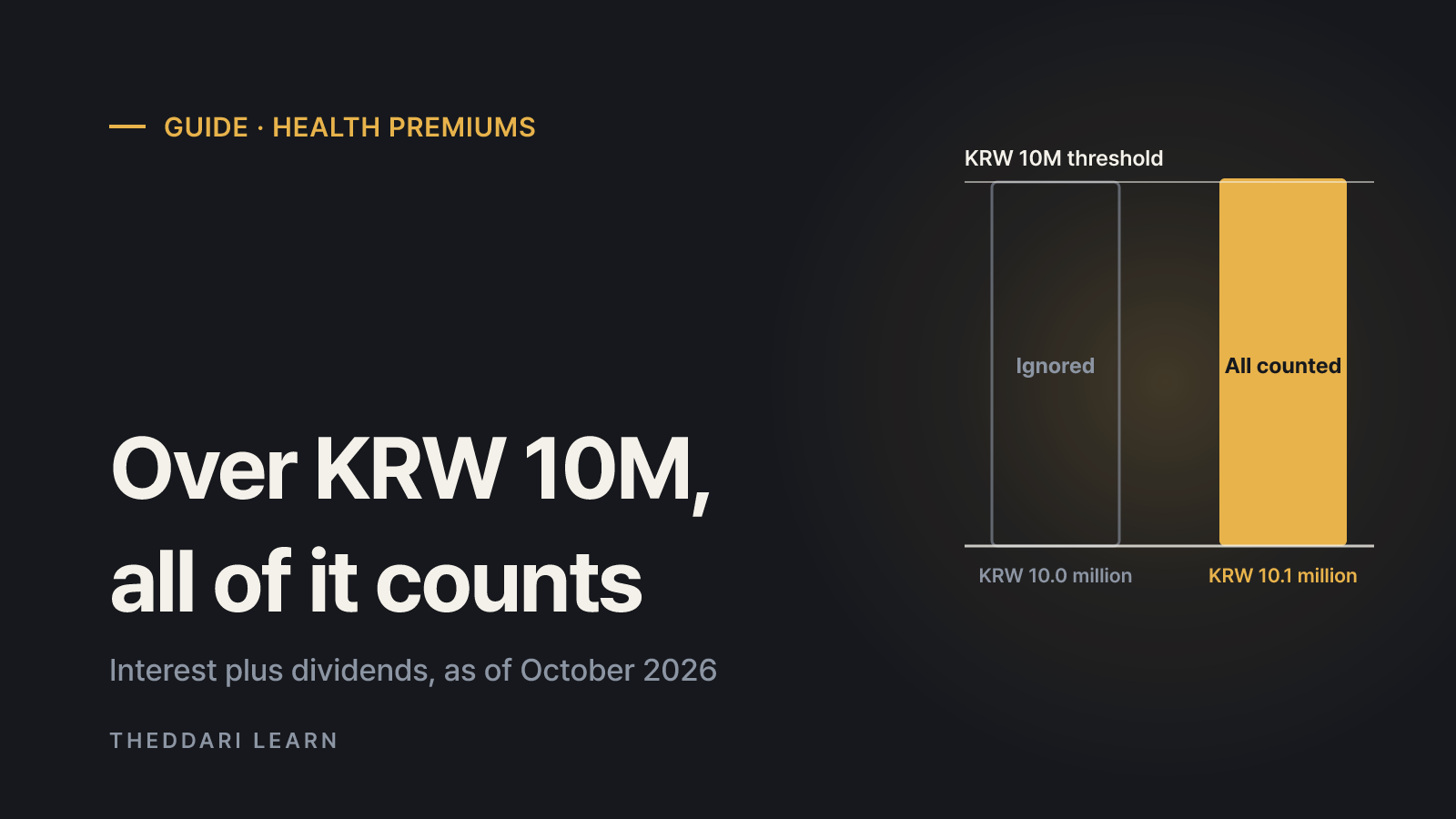 Investing · FAQ
Do Dividends Raise Korean Health Insurance Premiums?
A plain-English guide for people covered by Korea's National Health Insurance: when dividends start counting, how dependents lose status, what regional and employee subscribers pay, and which ETF payouts are excluded. Checked against NHIS and statute pages in October 2026.
6 min13 views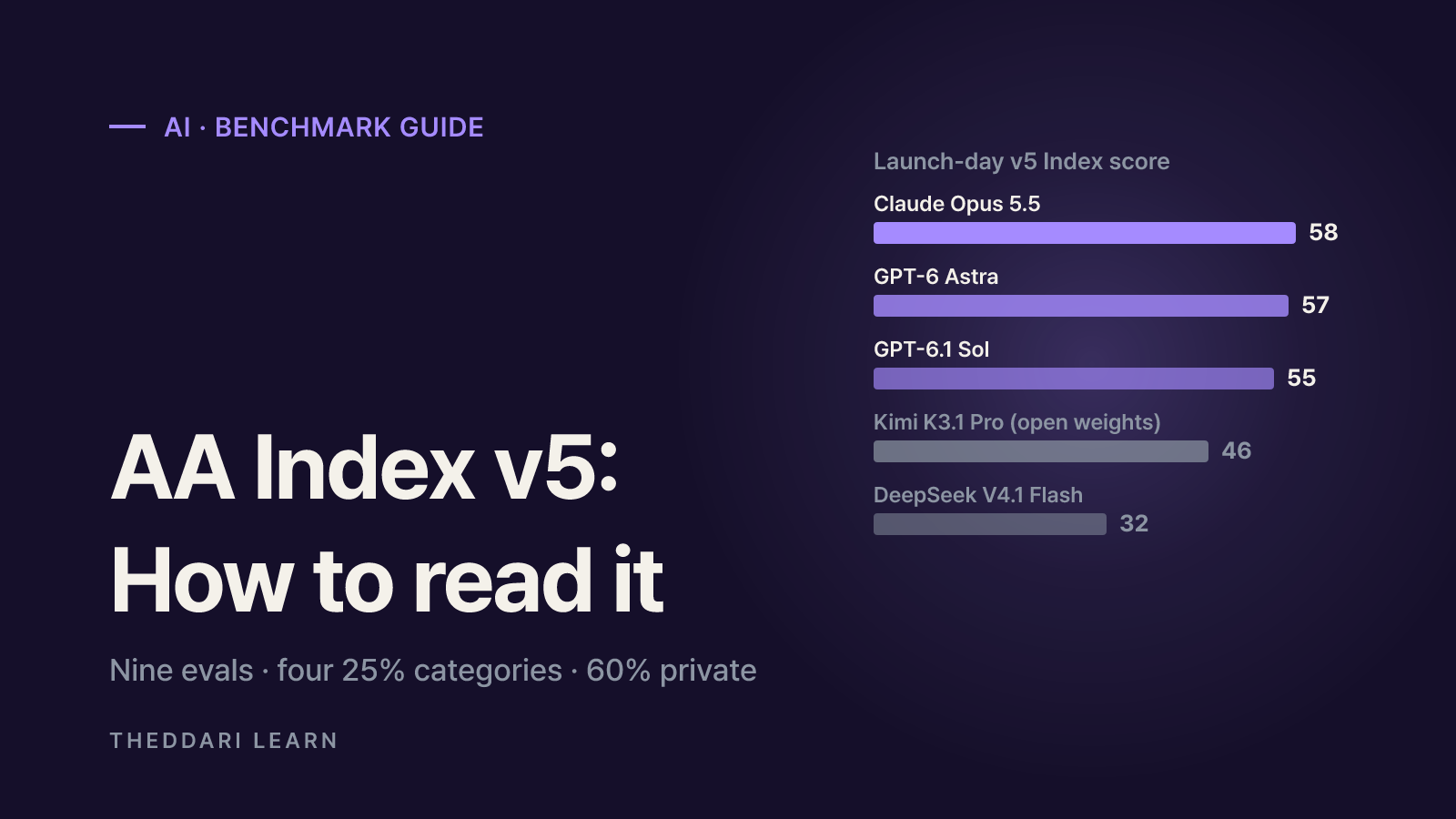 AI · Latest
Artificial Analysis Intelligence Index v5: What Changed
Artificial Analysis released Intelligence Index v5 on October 27, 2026. Here is the new benchmark mix, the weights, the launch-day leaderboard, and why v5 scores should not be compared with v4 numbers.
6 min29 views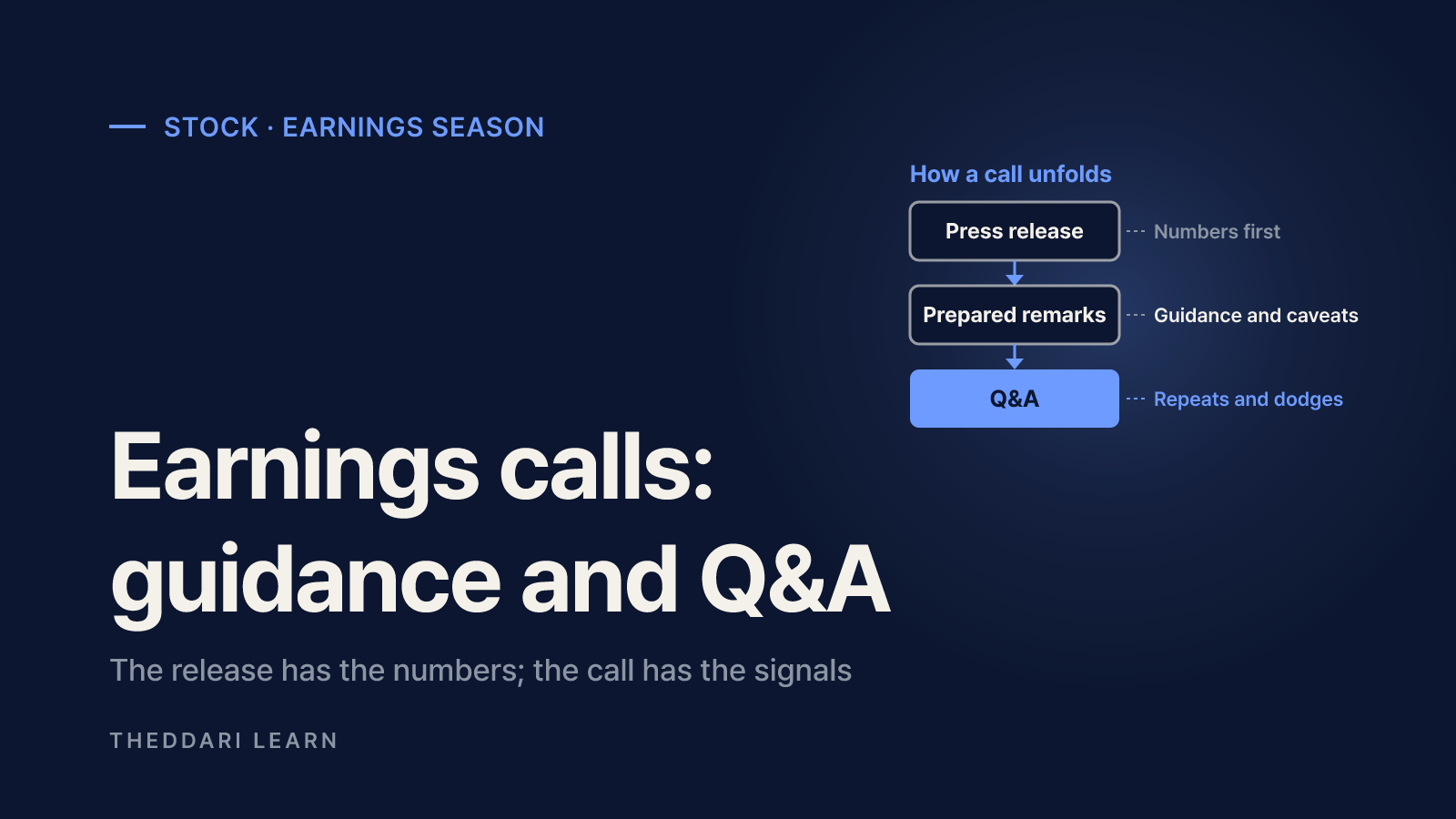 Stocks · Trending
How to Listen to an Earnings Call: Remarks, Guidance, Q&A
An earnings call explains numbers that are usually already public. Here is how to listen to the prepared remarks and the analyst Q&A, what guidance language to track, and how Regulation FD shapes what management can say.
9 min14 views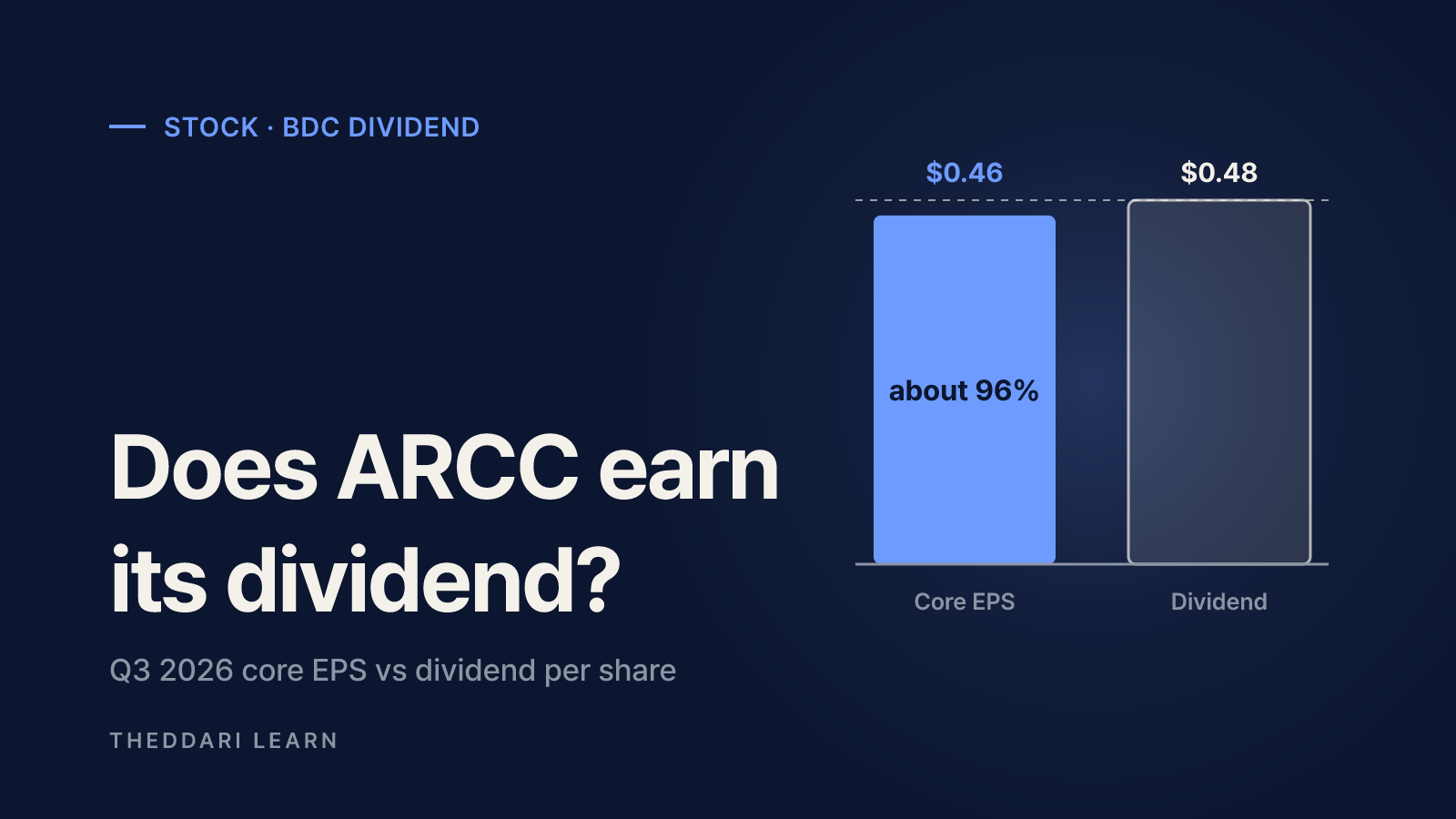 Stocks · FAQ
What Is Ares Capital (ARCC)? BDC Dividends and Non-Accruals
ARCC is the largest publicly traded business development company. This guide explains where its dividend comes from and how to judge whether it is sustainable using core EPS, non-accrual rates, NAV and leverage from its Q3 2026 report.
7 min16 views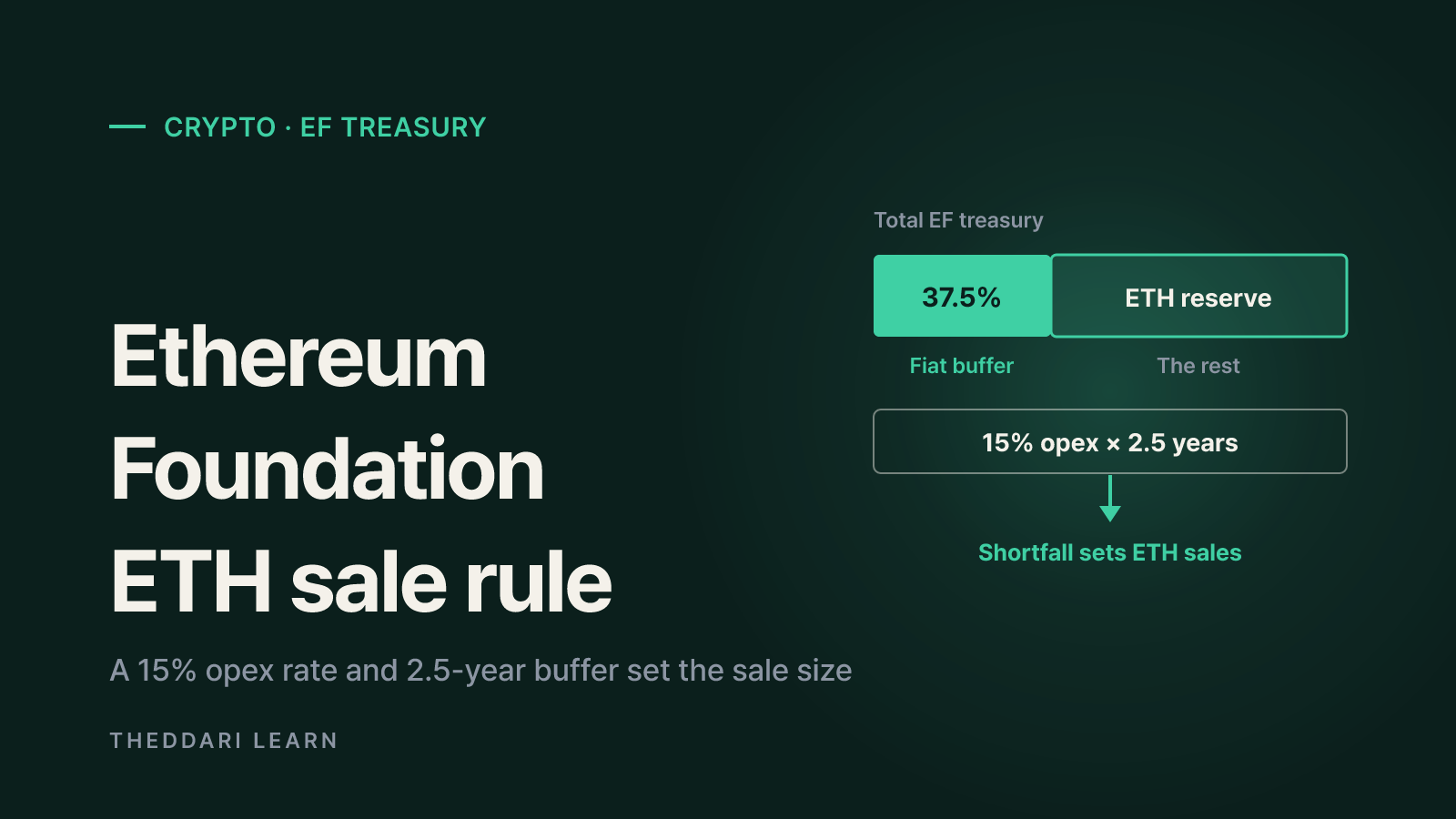 Crypto · Basics
What Does the Ethereum Foundation Do? Treasury and ETH Sales
The Ethereum Foundation does not own or run Ethereum, but it regularly sells ETH to fund research, grants and security work. Here is how its treasury policy works, what it sold in 2025-2026 and how to check whether a sale actually moved the market.
7 min13 views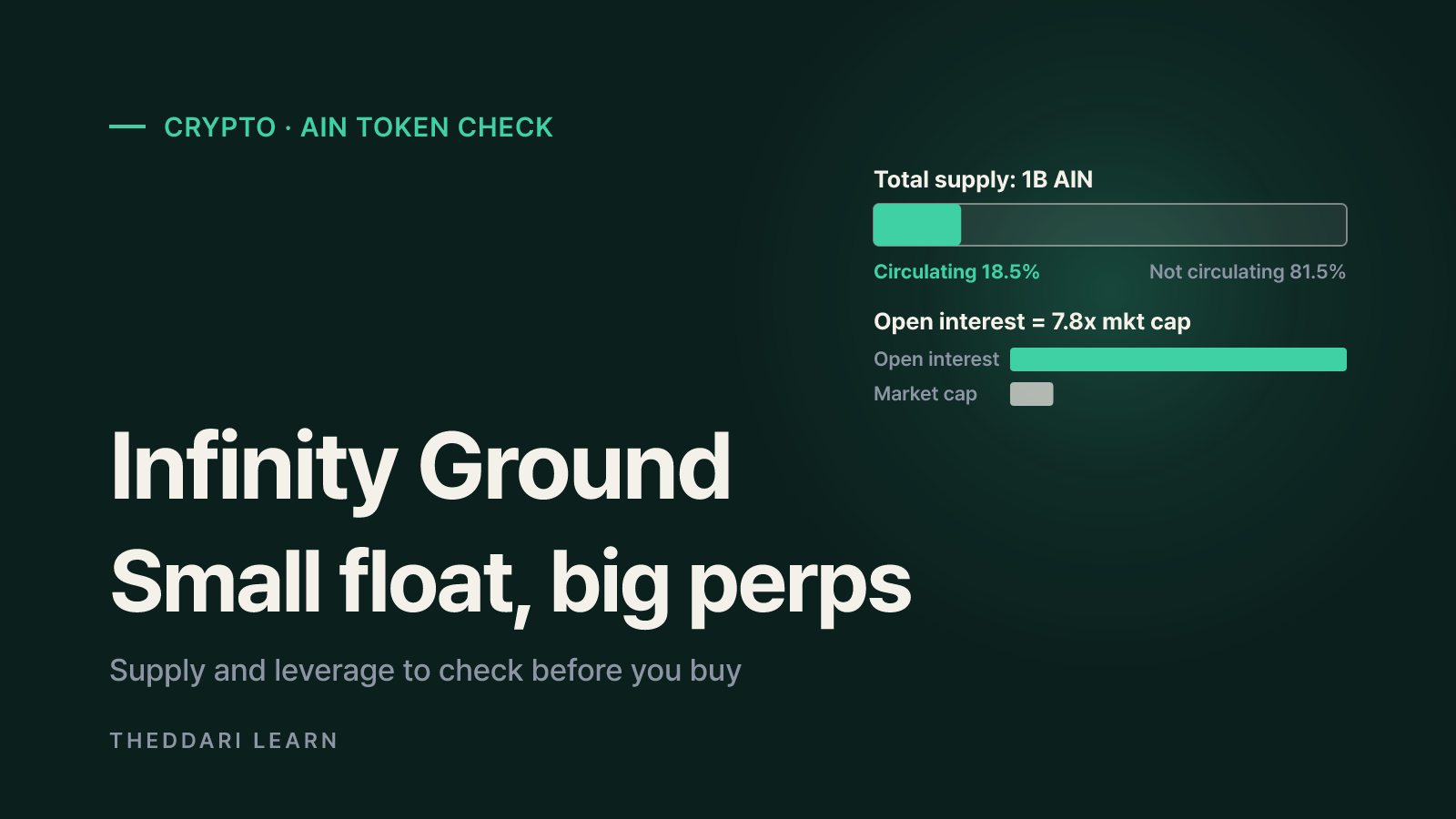 Crypto · Latest
What Is Infinity Ground Crypto (AIN)? Checks Before You Buy
Infinity Ground pitches an agentic IDE that turns plain-language prompts into dApps. Here is what the AIN token does, how its supply is structured, and which market signals to check after its October 2026 surge.
7 min26 views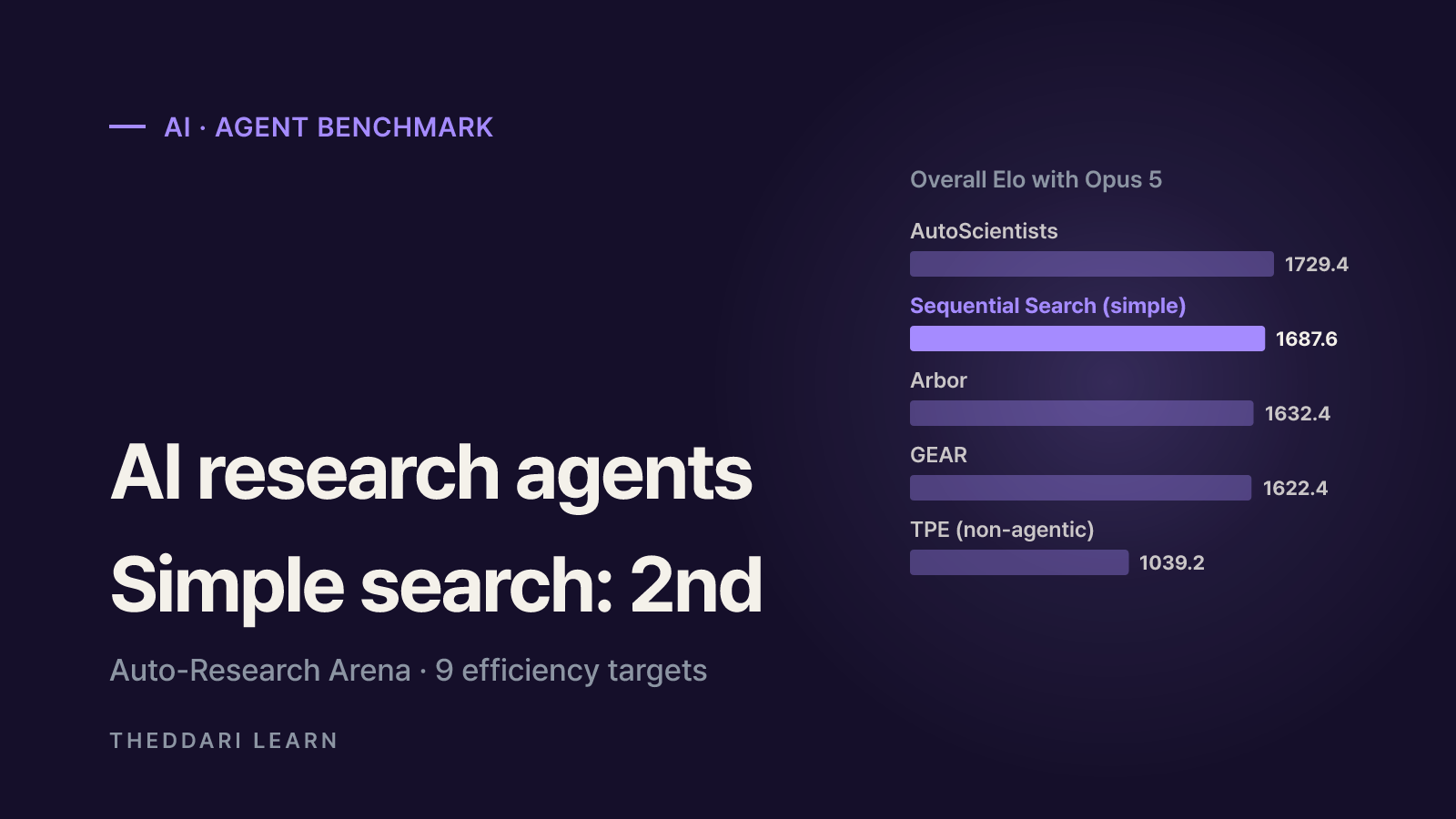 AI · Latest
Auto-Research Arena: How Good Are AI Research Agents?
Auto-Research Arena, posted to arXiv in October 2026, tests whether AI research agents can improve a small language model's training and inference code across nine targets. Here is what it measures, what it found, and what it does not prove.
7 min21 views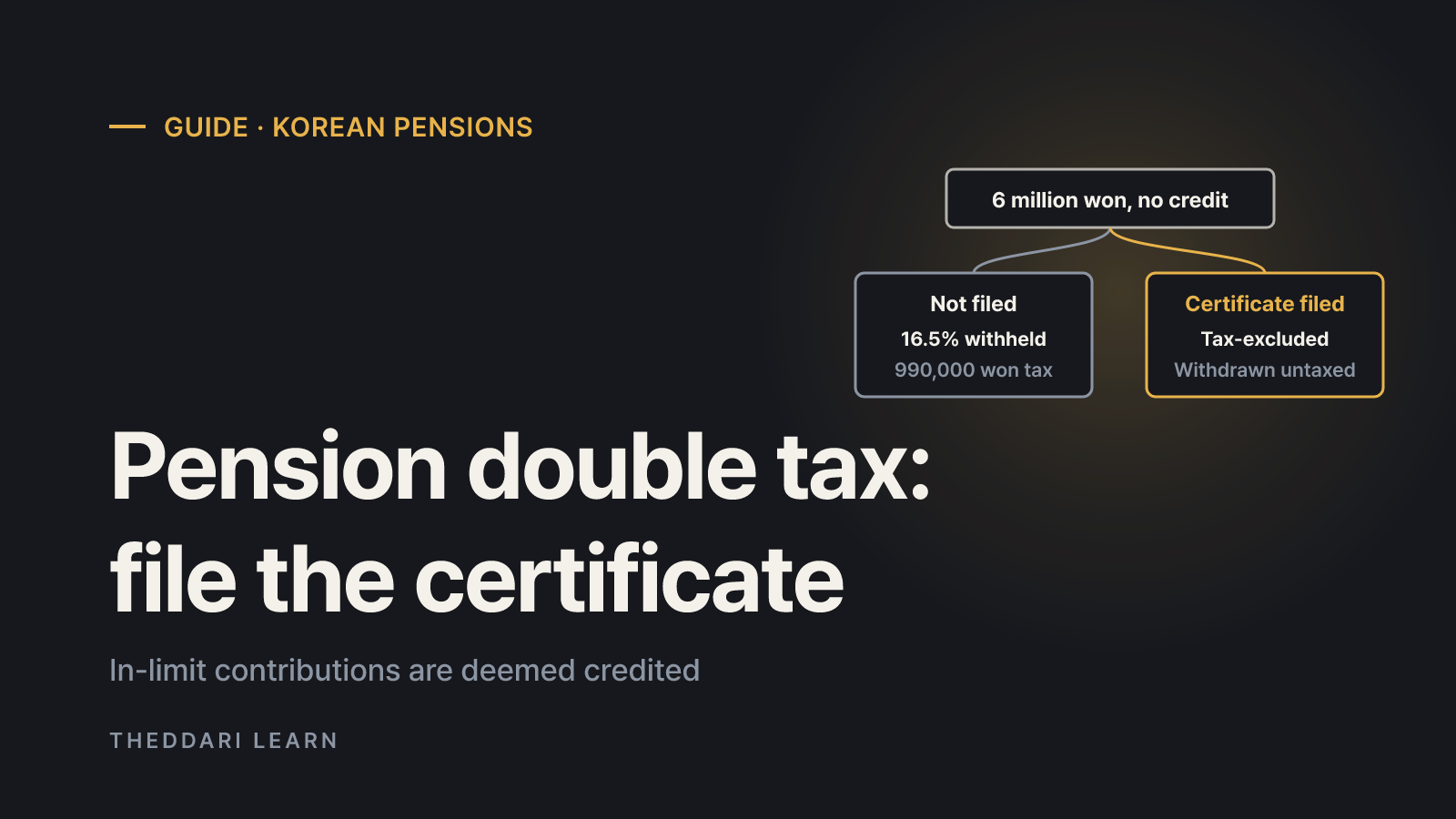 Investing · FAQ
Korean Pension Savings Double Tax: Uncredited Contributions
Under Korean tax rules, pension savings contributions within the annual credit limit are deemed credited even if you never claimed the credit. Here is how Korean residents register those amounts as tax-excluded before withdrawing.
7 min13 views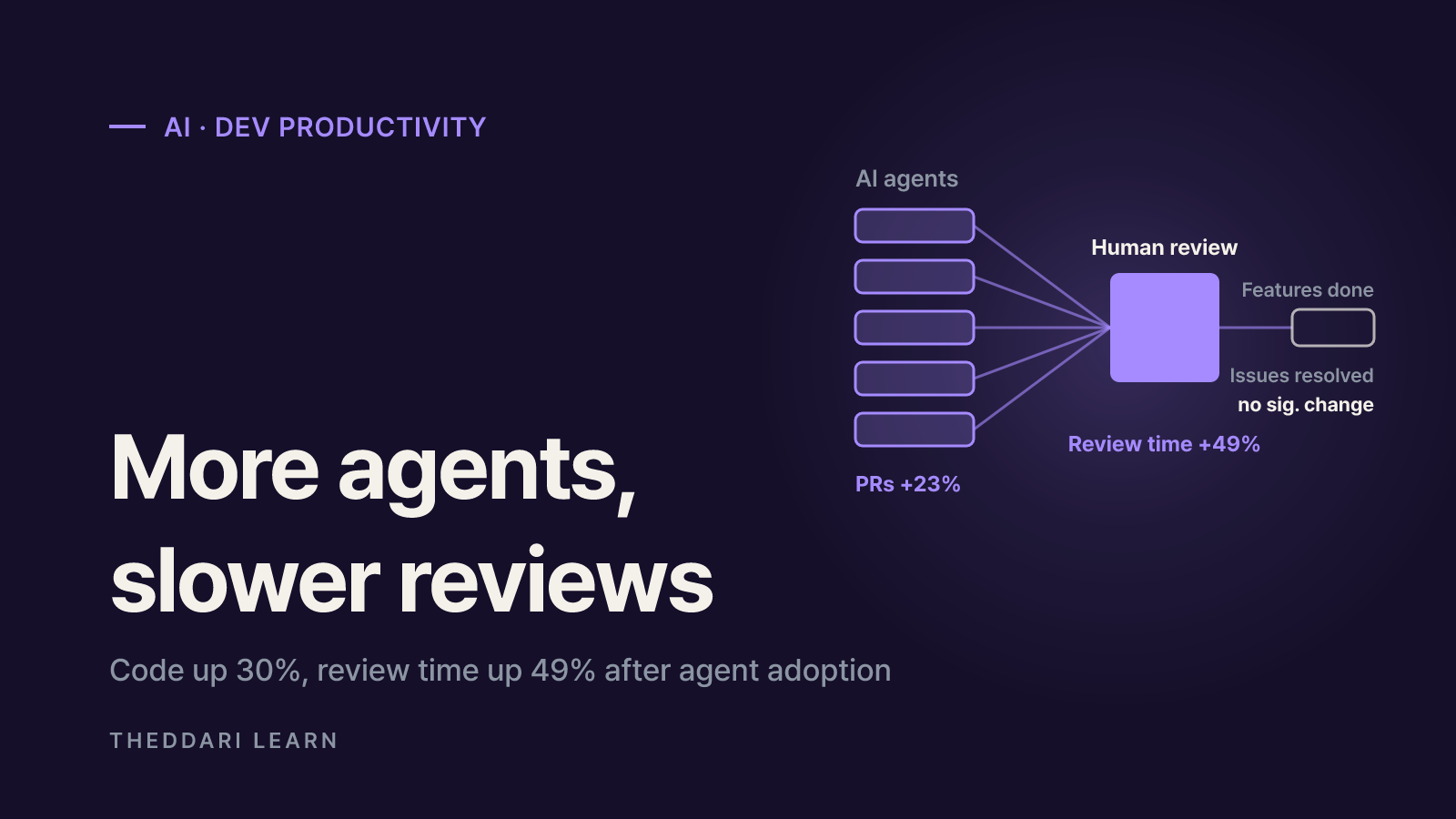 AI · Trending
Do More AI Coding Agents Speed Up Software? Brooks's Law
Spinning up more AI coding agents produces more code, but not proportionally more finished features. Here is why Brooks's law still bites, what the 2026 evidence shows, and how to design work splits and review so parallel agents actually help.
8 min25 views