What Is Qwen4-Max? Pricing, Regions and API Checks
Qwen4-Max explained: no open weights, a 1M-token context, pricing and inference location by region, and how to read Alibaba's benchmarks.
Contents7 sections
Key takeaways
- Qwen4-Max went generally available on November 16, 2026. It takes text, image and video input, returns text, and has a 1M-token context window.
- No open weights have been announced for Qwen4-Max itself. Alibaba says smaller Qwen4 models will get open weights, with no names or dates yet.
- Singapore (International) list price is $1.50 per million input tokens and $4.50 per million output tokens; Beijing and the Global scope are $1.413 and $4.24. Thinking tokens are billed as output.
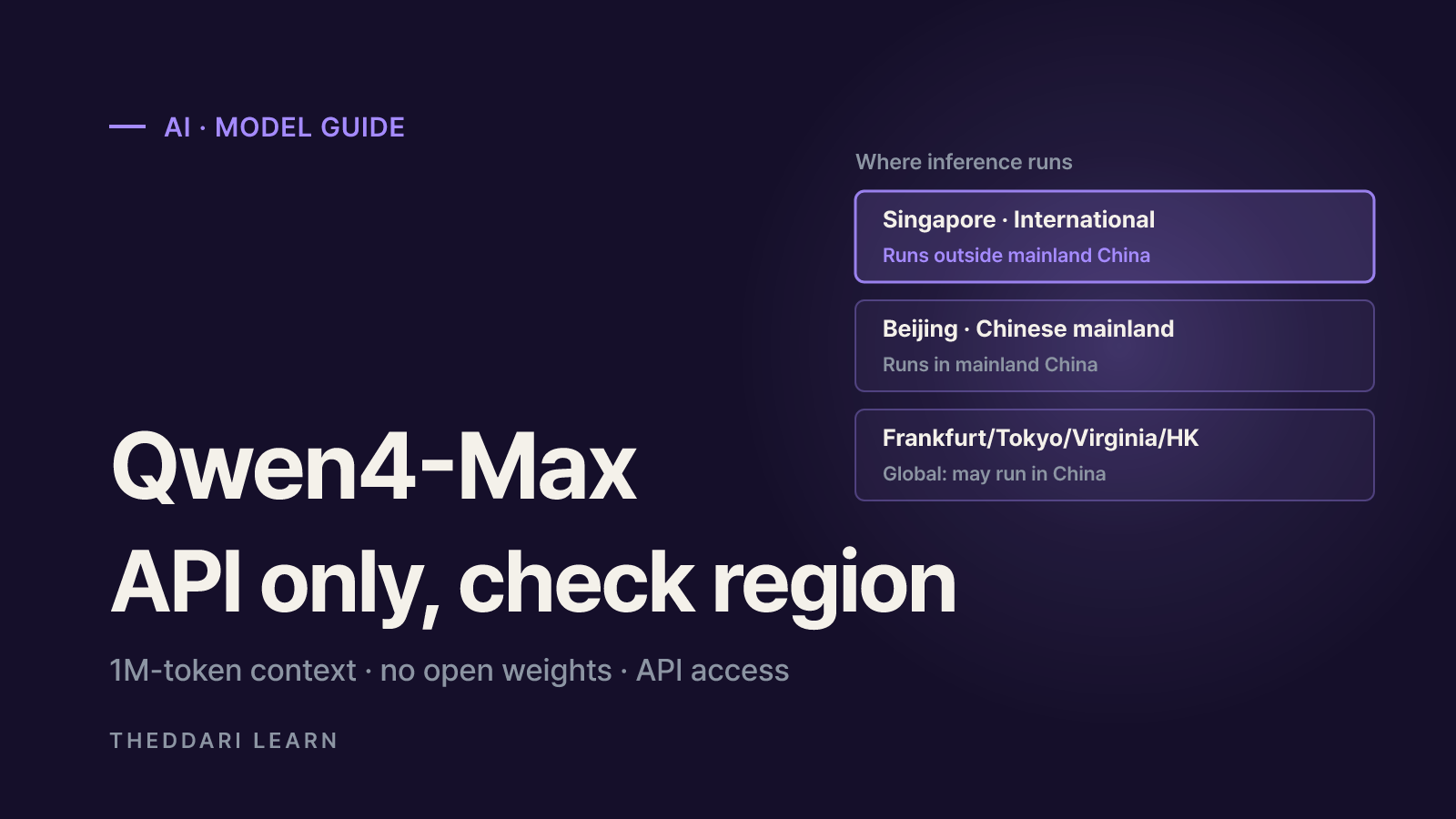
- In Frankfurt, Tokyo, Virginia and Hong Kong, Qwen4-Max is listed only under the Global scope, which can run inference on any node, including the Chinese mainland.
- Most launch benchmarks are vendor-run. The independent Artificial Analysis Intelligence Index gave it 43.
Qwen4-Max is Alibaba's new flagship large language model and the first release in the Qwen4 family, made generally available on November 16, 2026. It is a reasoning model that reads text, images and video and writes text, with a 1M-token context window. The two facts that matter most before you integrate it: it is an API and subscription model, not an open-weight download, and the price and the place where inference runs change with the region you call. Everything below was checked against Alibaba's official docs and price list on November 16, 2026.
The launch topped Hacker News, and the benchmark charts got most of the attention. For developers, the more useful questions are about access, data location and billing units, so this guide starts there.
What is Qwen4-Max? What the official docs confirm
The QwenCloud model guide describes Qwen4-Max as the first Qwen4 model, combining reasoning, native vision and long-running task execution. Alibaba pitches it for coding, professional work such as financial research and legal due diligence, design and scientific exploration. The API model ID is qwen4-max.
On architecture, coverage of the launch blog reports a 2.4-trillion-parameter Mixture-of-Experts backbone with 71 billion parameters active per token, plus 328 billion N-gram Embedding parameters (Apidog summary, GIGAZINE). If you only call the hosted API, those numbers show up as price per token and latency rather than hardware requirements.
| Spec | Official docs (Nov 16, 2026) |
|---|---|
| Input / output | Text, image, video in / text out |
| Context window | 1,000,000 tokens |
| Max input | 991,808 (non-thinking) / 983,616 (thinking) |
| Max output | 131,072 non-thinking; 262,144 for thinking plus final answer |
| Defaults | Thinking on, reasoning_effort=high, thinking_budget 131,072 |
| APIs | OpenAI Chat Completions and Responses, Anthropic Messages, DashScope |
| Features | Function calling, structured output, web search, code interpreter, MCP, explicit cache |
| Not supported | Batch inference, fine-tuning, custom deployment |
The QwenCloud model page lists a 393K max output, which does not match the 131,072 and 262,144 limits in the developer guide. If your design depends on very long outputs, test max_completion_tokens directly before committing.
Open weights or API only?
As of November 16, 2026, no open weights have been announced for Qwen4-Max. Alibaba says smaller Qwen4 models trained with the same techniques will be released with open weights, but it has not named them or given dates (GIGAZINE, Apidog). The official docs also state that fine-tuning and model deployment are not supported for this model.
That leaves two main access paths. The pay-as-you-go API bills per token and is the right fit for app backends, scripts and CI. Token Plan is a monthly subscription that gives you Credits to spend inside coding tools such as Claude Code, Codex or OpenCode. Alibaba's own apps, including Qwen Studio, QwenWork and Qoder, also expose the model. Token Plan runs only in Singapore and uses its own endpoint and API key, separate from the regional pay-as-you-go endpoints (region docs).
Qwen3.8-Max did ship open weights, so it is easy to assume Qwen4-Max will follow. Treat any third-party Hugging Face repo labeled 'Qwen4' with caution until it appears under the official Qwen organization with a published license.
Qwen4-Max pricing and regions: where inference actually runs
Alibaba's Model Studio price list (updated November 16, 2026) uses a single tier for Qwen4-Max covering requests up to 1M input tokens, with the same rate for thinking and non-thinking modes. What changes is the region and its service deployment scope, which the region docs define as where inference runs.
Singapore
- Scope
- International
- Inference runs on
- Nodes outside the Chinese mainland
- Input / output per 1M
- $1.50 / $4.50
- Cache read
- $0.075
Beijing
- Scope
- Chinese mainland
- Inference runs on
- Chinese mainland
- Input / output per 1M
- $1.413 / $4.24
- Cache read
- $0.071
Frankfurt, Hong Kong, Tokyo, Virginia
- Scope
- Global
- Inference runs on
- Any node, including the Chinese mainland
- Input / output per 1M
- $1.413 / $4.24
- Cache read
- $0.071
The detail most readers miss: in Frankfurt, Hong Kong, Tokyo and Virginia, Qwen4-Max appears on the price list only under the Global scope. Those regions do offer EU-only, US-only and Japan-only scopes for some models, but no Qwen4-Max row was listed for them on November 16. Global is slightly cheaper, yet it may route your prompts to mainland China. If you handle personal data, customer documents or regulated workloads, that matters more than the price gap. A workspace's scope is fixed when you create it and cannot be changed later.
Thinking tokens and caching drive the real bill
The output price covers chain of thought plus the final answer. Qwen4-Max ships with thinking on and reasoning_effort set to high, so a request that looks short can still produce a large output bill. For simple extraction or classification, compare results with enable_thinking=false in Chat Completions or with effort set to low.
A worked example at Singapore rates: one request with 100K input tokens and 10K output tokens costs $0.15 + $0.045, about $0.195. If 90K of those input tokens are cache reads, the cost drops to $0.00675 + $0.015 + $0.045, about $0.067. The cache discount applies only to input. Creating an explicit cache costs $1.875 per million tokens for a 5-minute TTL or $3 for a 1-hour TTL, so keep system prompts, tool definitions and reference documents at the front of each request where they can be reused. The DashScope API does not support the new Qwen4 explicit cache; use the OpenAI- or Anthropic-compatible APIs instead.
Free quota and promotions
The 1-million-token free quota applies only to pay-as-you-go in Singapore. It is valid for 90 days from Model Studio activation, model release or application approval, whichever is later. Other regions have no free quota. The price list shows list prices only, so check the console for time-limited discounts such as night-time rates.
How to read the Qwen4-Max benchmarks
Alibaba reports that Qwen4-Max scores 52.69 on Work360, its in-house benchmark of professional tasks, up from 47.74 for Qwen3.8-Max, and that average cost per Work360 task fell from $4.43 to $1.67, about 62% (Apidog summary). Its launch charts also show Qwen4-Max ahead of some US flagships on coding-agent tests. Most of these results were run and selected by the vendor.
- Check who ran the test. Work360 is Alibaba's own benchmark, so it is hard to confirm rivals were tested under identical conditions.
- Pair vendor charts with independent ones. On the Artificial Analysis Intelligence Index v5.0.1, Qwen4-Max scored 43, behind top US flagships but ahead of some budget models (GIGAZINE).
- Match the reasoning setting. Scores shift with reasoning_effort (high vs xhigh), and higher effort uses more tokens. Compare cost at the same setting.
- Treat cost-per-task claims as a starting point. The 62% figure combines lower prices with fewer tokens on Alibaba's tasks. Your own token usage is the number that counts.
Developer reaction and independent tests pile up quickly after a launch like this. The theddari AI Telegram trends page is a quick way to see which issues developer channels are flagging, from pricing to data location.

Checklist before you use the Qwen API in production
- 1
Decide where your data may be processed
Classify what you will send. If processing must stay outside mainland China, start from Singapore International, and confirm any contractual or regulatory location limits first.
- 2
Match region, endpoint and API key
Each QwenCloud region has its own endpoint, API keys and workspaces. A key from another region returns a 401 error, and Token Plan keys do not work on pay-as-you-go endpoints.
- 3
Test thinking mode and output limits
Run 10 to 20 representative tasks with thinking on and off and with effort low and high. Record accuracy and output tokens. Remember max_completion_tokens caps reasoning and answer together.
- 4
Design for caching
Put stable content at the start of the prompt and choose an explicit cache TTL of 5 minutes or 1 hour based on how often requests repeat.
- 5
Set spend limits and an exit path
Turn on billing alerts and budgets in the console, and keep the model ID in a single config value so you can switch models. Code still pointing at qwen4-max-preview should move to qwen4-max before the preview ends on November 25.
Blog coverage often surfaces practical problems before official docs are updated. The theddari blog trends dashboard shows which Qwen4-Max angles writers are covering, which can help you add cases to your own test list.
In short, Qwen4-Max is a hosted flagship with a 1M-token context and lower list prices than Qwen3.8-Max. You cannot run it locally, some regions may route inference through mainland China, and most published scores are vendor-run. Check those three points, run a small comparison on your own workload, and then decide whether it earns a place in your stack.
Frequently asked questions
Is Qwen4-Max open source? Can I download and run it locally?
How much does the Qwen4-Max API cost?
Does Qwen4-Max process my data in China?
I used qwen4-max-preview. What should I change?
Sources and references
- 1Alibaba Cloud Model Studio: Model inference pricing(opens in a new tab)www.alibabacloud.com
- 2QwenCloud Docs: Latest model: Qwen4-Max(opens in a new tab)docs.qwencloud.com
- 3QwenCloud Docs: Regions, deployment scopes, and endpoints(opens in a new tab)docs.qwencloud.com
- 4GIGAZINE: Qwen4-Max unveiled(opens in a new tab)gigazine.net
- 5Apidog: What Is Qwen4-Max? Alibaba's New Flagship Model(opens in a new tab)apidog.com
Related articles
 AI
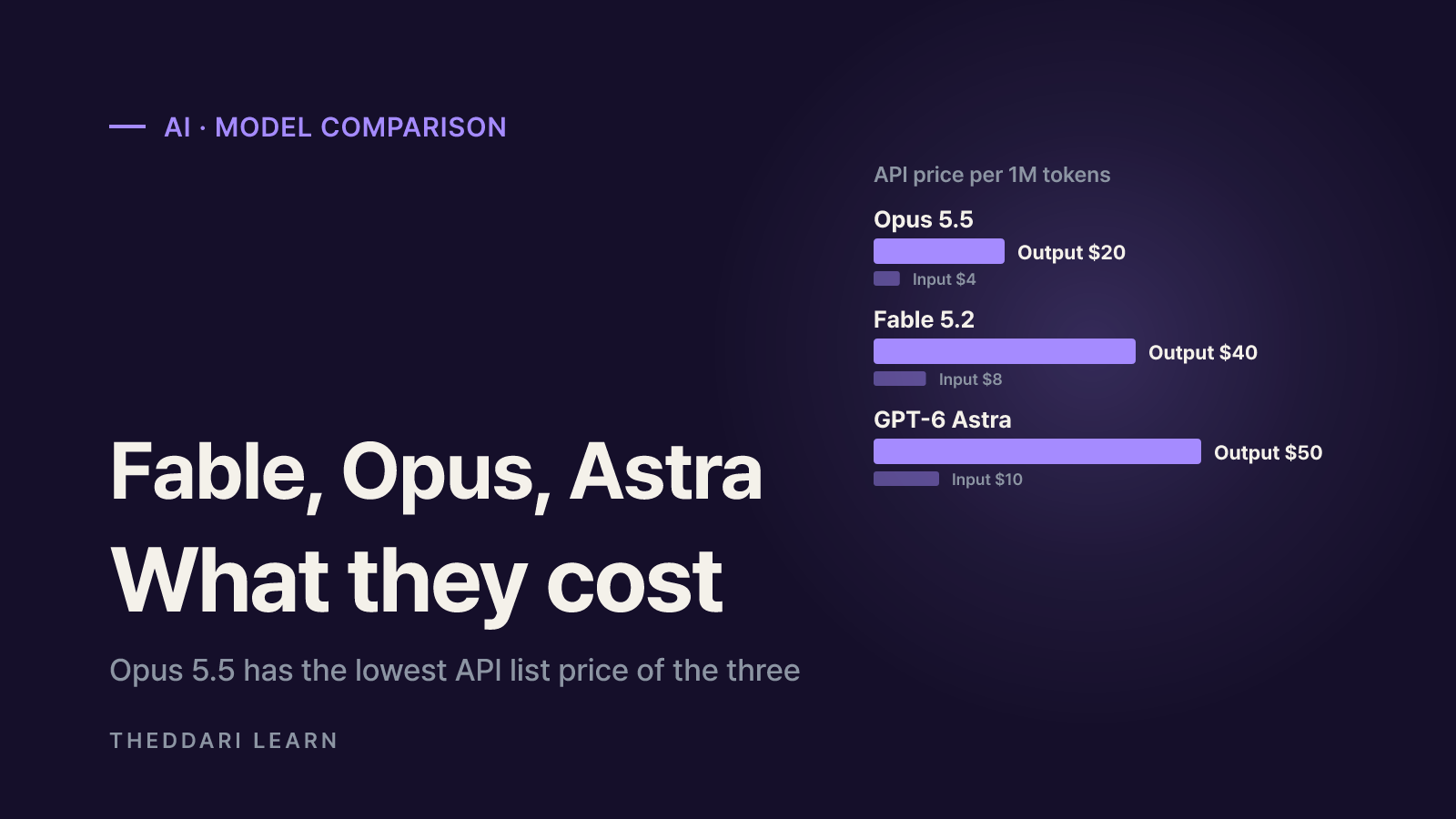
Claude Fable 5.2 vs Opus 5.5 vs GPT-6 Astra: Costs Compared
Picking between Claude Fable 5.2, Opus 5.5 and GPT-6 Astra is less about who tops a leaderboard and more about which plan gives you enough of the right model for the least money. Here is how prices, plan access and limits compare as of November 2026.
 AI
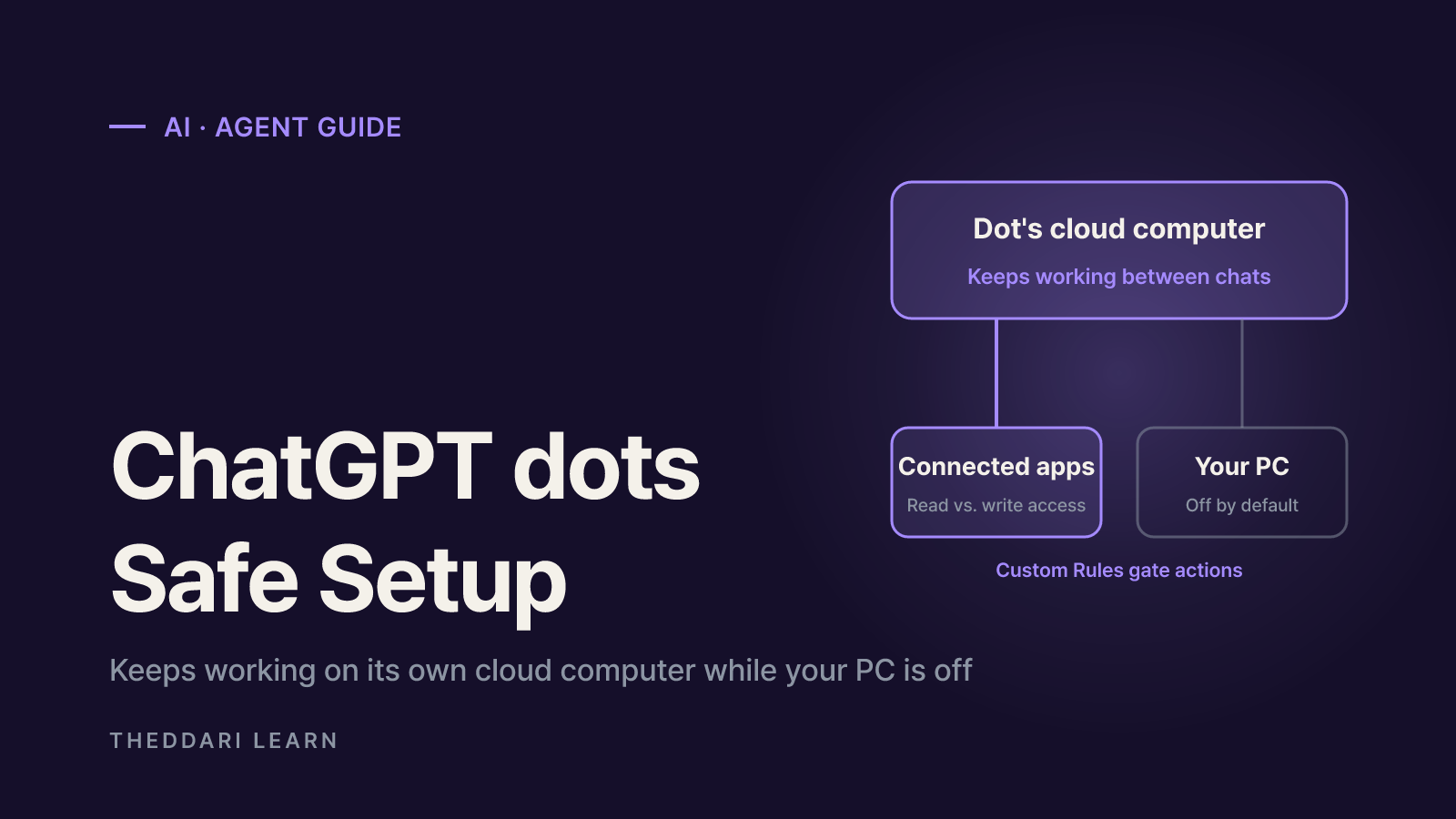
ChatGPT dots Setup Guide: Permissions, Rules and Security
ChatGPT dots are OpenAI's always-on agents that keep working on their own cloud computer, even when your laptop is off. This guide covers eligibility, first-time setup, app and computer permissions, Custom Rules, and key security limits, as of November 2026.
 AI
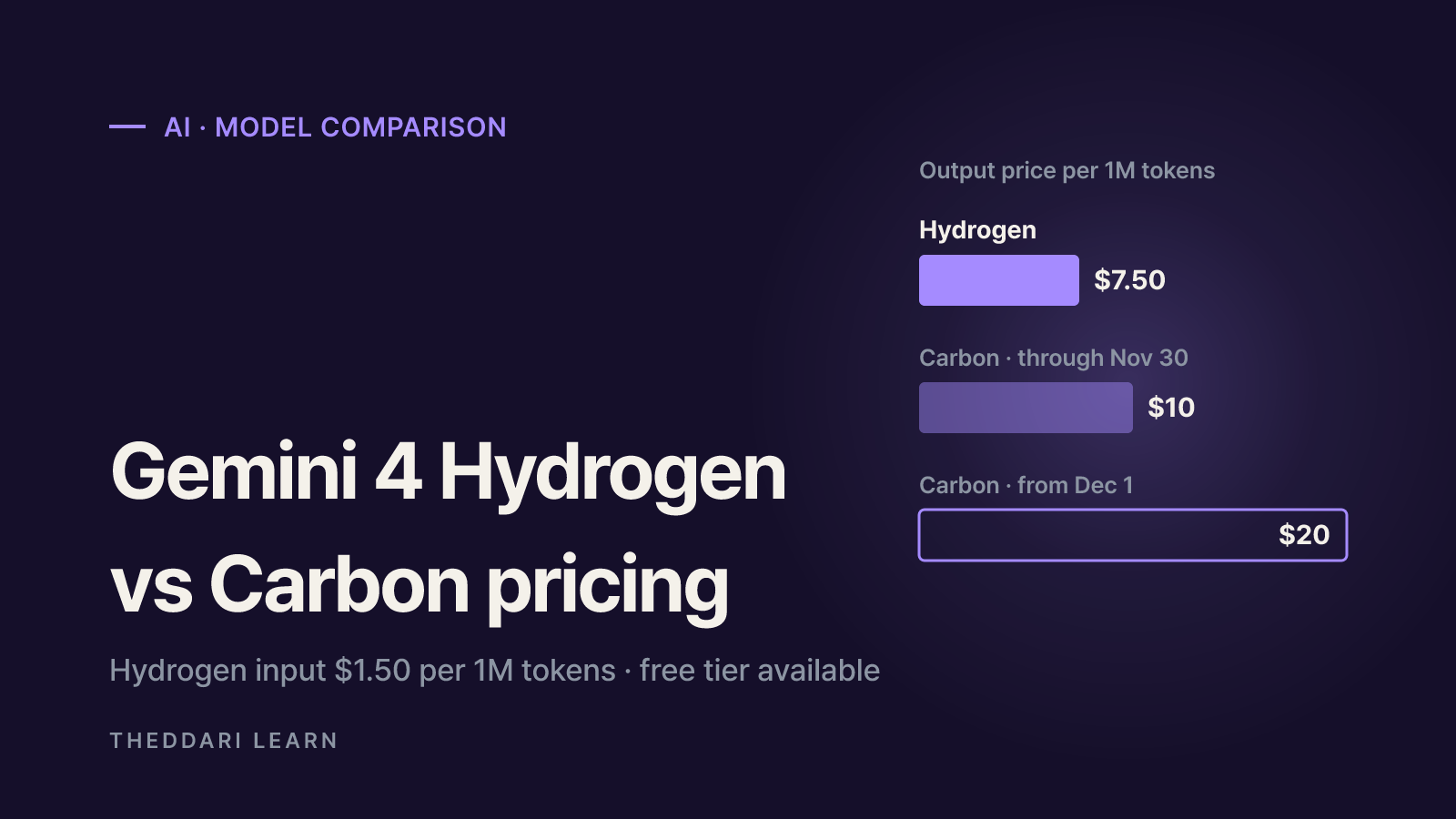
What Is Gemini 4 Hydrogen? vs Carbon, Pricing and Checks
Google launched Gemini 4 Hydrogen on November 12, 2026 as its everyday model for coding and agentic work. Here is how it differs from Gemini 4 Carbon, what the Gemini API charges, and what changes when you migrate from Gemini 3.8 Flash.