Contents7 sections
Crypto withdrawals from a Korean exchange work smoothly when you do four things in order: choose the same asset and the same network the receiving platform supports, copy the deposit address and any memo or tag exactly, confirm that your amount and destination fit Korea's travel rule routes, and send a small test before the full amount after checking the withdrawal fee. This guide is written for people who hold an account at a Korean exchange such as Upbit or Bithumb, including foreign residents in Korea, and want to move coins to another exchange or a self-custody wallet. It reflects the exchanges' published help pages and Korean regulator material as of November 2026. Policies change through exchange notices, so check the latest notice from your own exchange right before you send.
Before crypto withdrawals: match asset, network and address
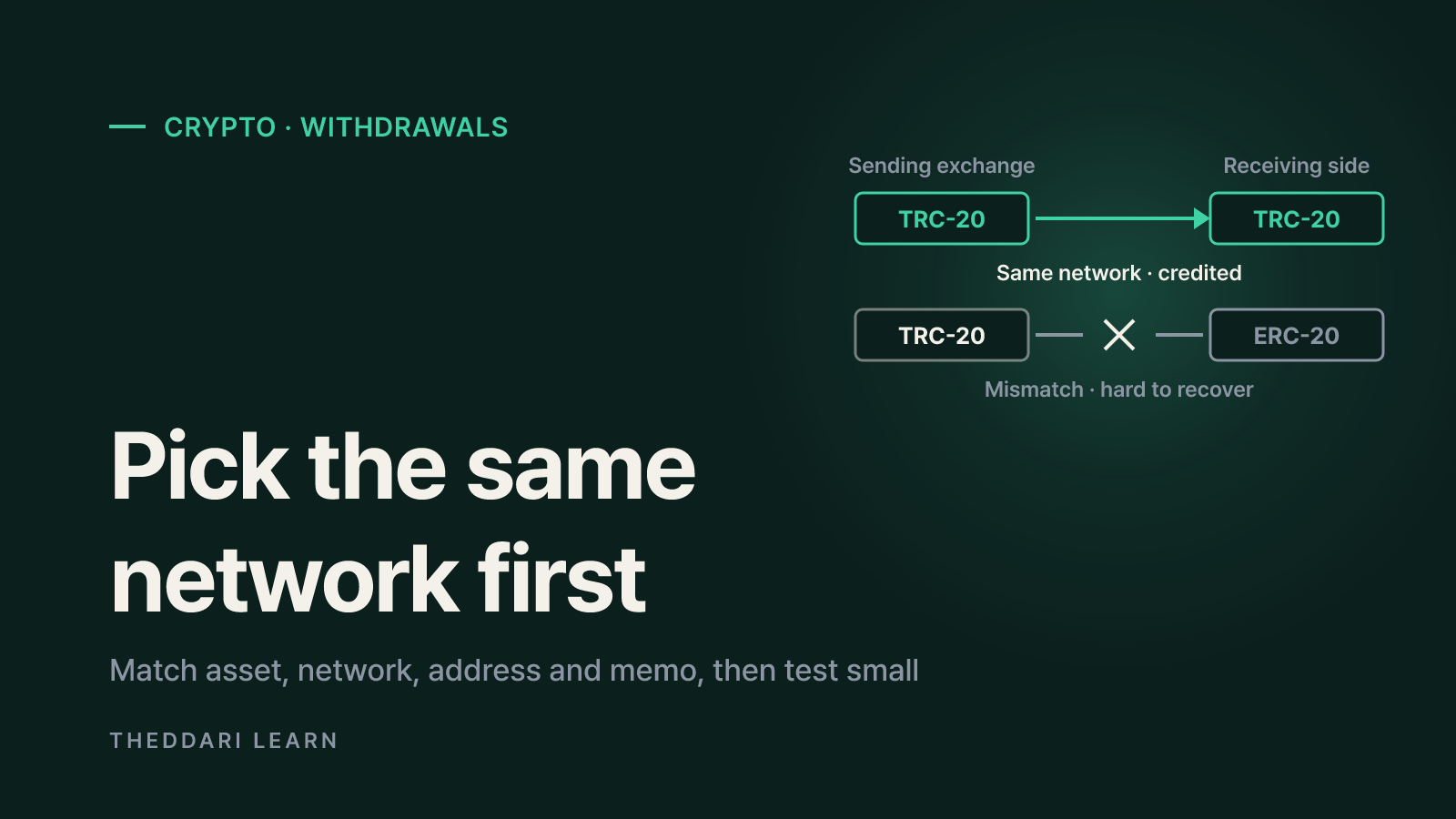
The most common mistake is assuming that a coin with the same ticker can go anywhere. Many assets live on several blockchains. Tether (USDT), for example, exists on Tron (TRC-20) and on Ethereum (ERC-20), and those are separate rails. The network selected on the sending exchange must be the same network selected on the receiving deposit page. Upbit's withdrawal guide asks users to confirm that the destination supports deposits of that asset on that network and to pick the identical network on both sides.
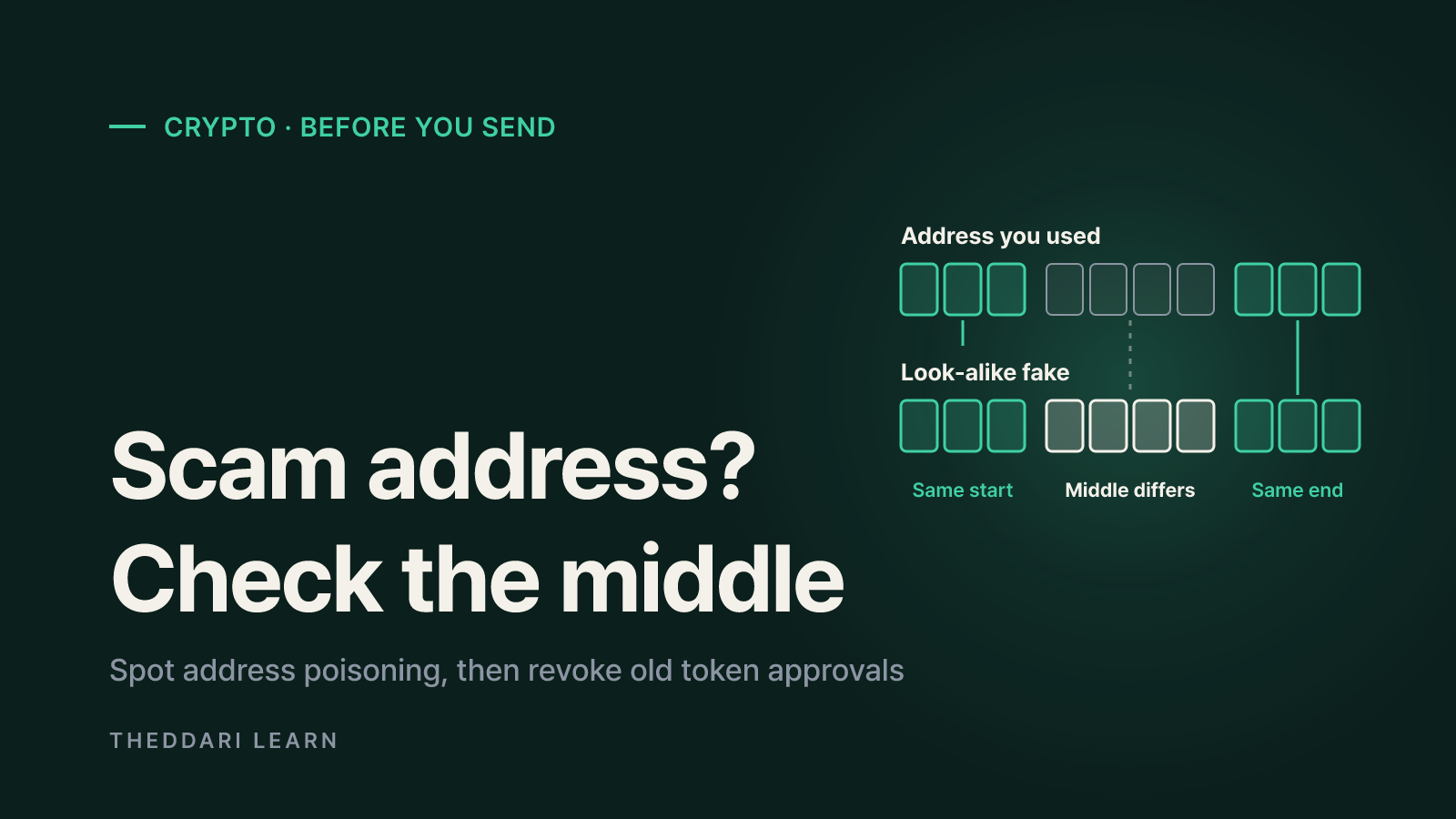
Copy the address from the receiving deposit page instead of typing it, then compare the first and last few characters after pasting. Clipboard-swapping malware exists, so the visual check matters. Upbit also states that a digital asset withdrawal cannot be cancelled once the request is complete. Treat the confirm button as final and review asset, network, address and amount one more time before pressing it.
Memos and destination tags
Some exchanges use one shared deposit address for many customers and identify each deposit with a memo or destination tag. If the receiving page shows a memo or tag field next to the address, the same value must go into the withdrawal form. Without it, the blockchain transfer can complete while the receiving exchange cannot match the funds to your account, leading to a manual claim that may be slow or refused. Personal wallets usually do not need a memo, but follow the wallet's own instructions if it says otherwise.
Asset
- Where to find it
- Receiving deposit page
- If it is wrong
- A different asset's address may not credit the deposit
Network
- Where to find it
- Network name on both screens
- If it is wrong
- Unsupported networks may be hard or impossible to recover
Address
- Where to find it
- Copied from the deposit page
- If it is wrong
- Funds sent to a wrong address are hard to reverse
Memo or tag
- Where to find it
- Separate field below the address
- If it is wrong
- Deposit not credited, slow manual handling
Minimum amount
- Where to find it
- Sending exchange withdrawal form
- If it is wrong
- Requests below the minimum are rejected
Korea's travel rule: KRW 1 million decides the route
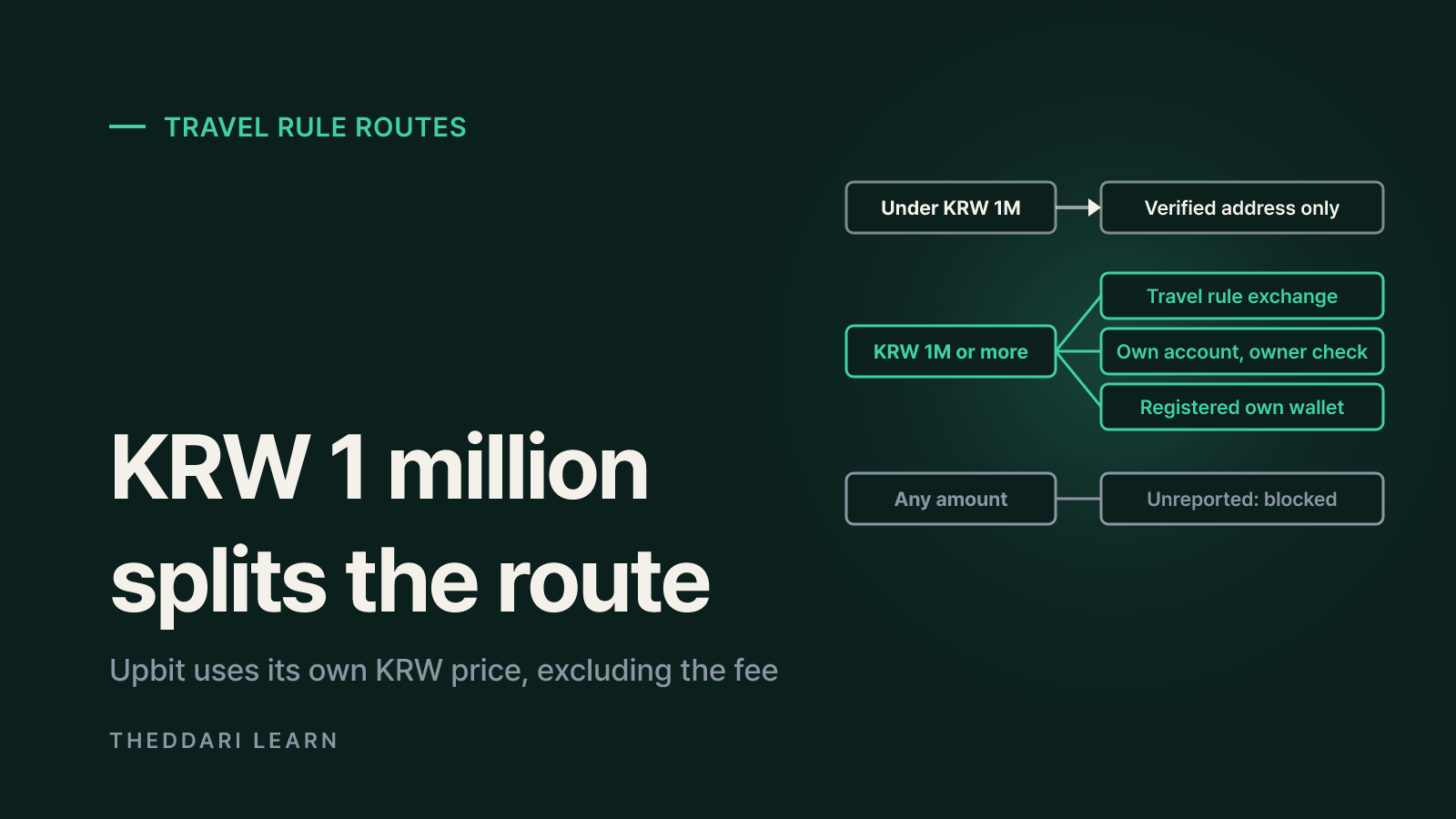
The travel rule is an anti-money-laundering requirement that makes a virtual asset service provider pass sender and recipient details to the receiving provider. In Korea it currently applies to transfers worth KRW 1 million or more. Upbit values a withdrawal at its own market price at the moment of the request, converted to won, and excludes the withdrawal fee from that figure. The same quantity of a coin can cross the line on a day the price rises, so recheck the value right before sending.
Under KRW 1 million
- Destination
- Exchange or wallet
- Upbit condition, November 2026
- Only verified destinations, via an address request
KRW 1 million or more
- Destination
- Travel rule linked exchange
- Upbit condition, November 2026
- Recipient details such as name required
KRW 1 million or more
- Destination
- Owner-verification linked
- Upbit condition, November 2026
- Own account only, name and birth date must match
KRW 1 million or more
- Destination
- Personal wallet
- Upbit condition, November 2026
- Only a wallet registered and verified on Upbit
Any amount
- Destination
- Unreported operator
- Upbit condition, November 2026
- Deposits and withdrawals restricted
To send KRW 1 million or more to a self-custody wallet, choose the personal wallet type in the withdrawal form and select an address you registered on Upbit in advance. Upbit currently supports MetaMask, Kaia, Phantom, Polkadot and Keplr, and does not support registering an address through a connected hardware wallet. For exchanges linked through account-owner verification, the first withdrawal to each platform requires a one-time consent to transfer personal data overseas, and the transfer completes only when the name, in Korean or English, and date of birth match on both accounts.
Overseas destinations need the closest look. Upbit explains that overseas operators that passed its risk assessment can send deposits from your own account to Upbit, but Upbit cannot withdraw to them. Under Korea's enforcement decree, deposits and withdrawals involving unreported foreign operators are restricted regardless of amount. Other Korean exchanges, including Bithumb, may use an address book or whitelist with a review step, and their linked lists differ. A foreign exchange that works from one Korean platform may be blocked from another, so judge by the current list of the exchange you are sending from.
How withdrawal fees and timing work
The sending exchange sets the withdrawal fee for each asset and network, and most fees are a flat amount of the coin per withdrawal. In a notice dated April 3, 2026, Bithumb said that from May 11, 2026 it would keep flat per-withdrawal fees for most major coins such as Bitcoin, Tether, Ether and XRP, while some thinly traded coins move to a percentage fee between free and 1%. The list of percentage-fee coins is previewed in its FAQ each Friday and applied the following Monday, and percentage fees are rounded up to the asset's smallest withdrawal unit. The final fee shown on the withdrawal screen is what counts, not a number you remember.
A flat fee weighs more on small transfers. Suppose the fee is 1 USDT: sending 10 USDT costs 10%, while sending 1,000 USDT costs 0.1%. That is an illustration of the arithmetic, not any exchange's current fee. Fees can also differ by network for the same asset, so compare only among networks the receiver supports. Choosing a cheaper network the destination does not accept can cost far more than the fee you saved.
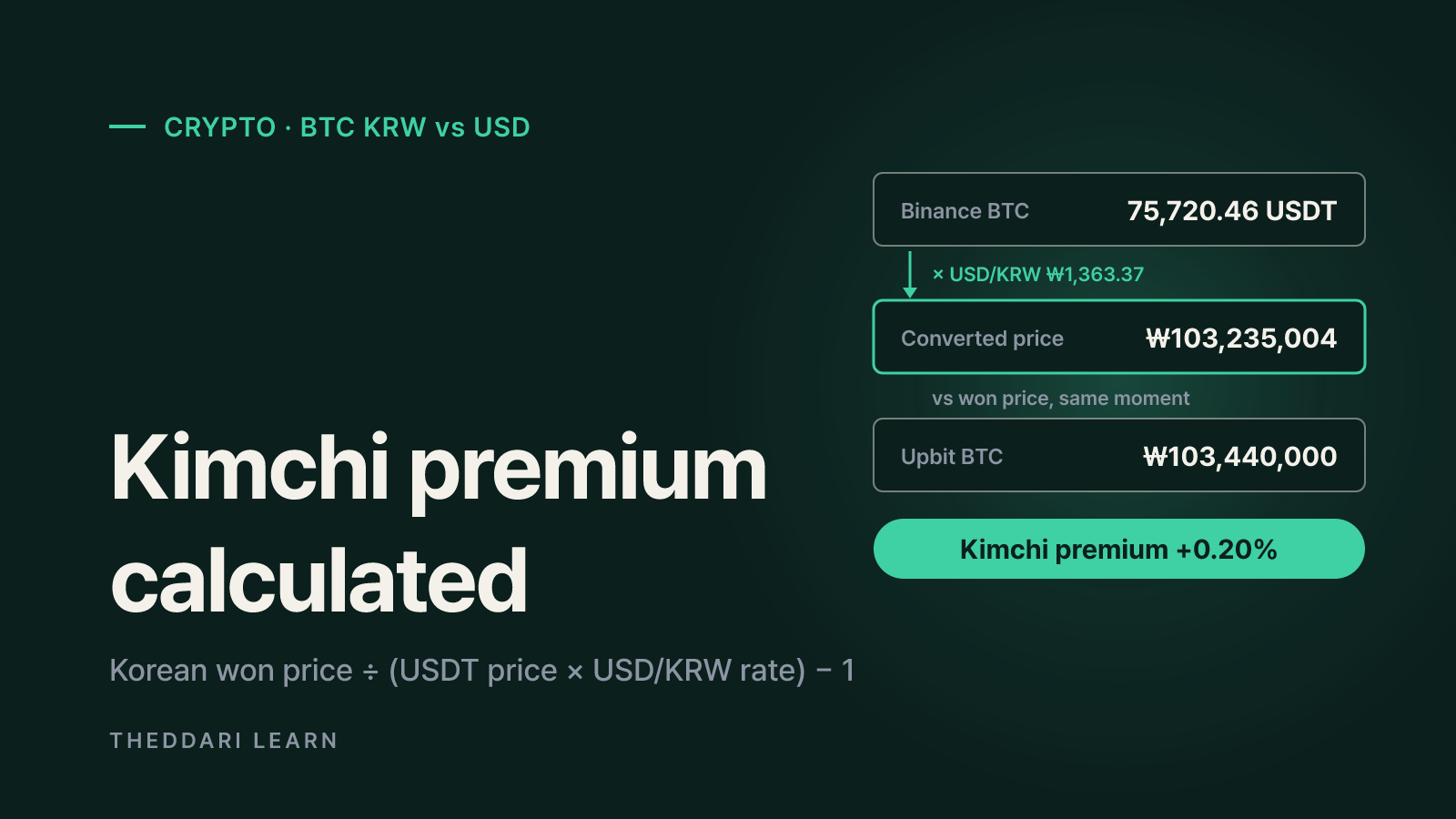
When moving between Korean and overseas exchanges, trading fees, spreads and the price gap between the two markets also change the total cost. The theddari kimchi premium page shows the gap between Korean and overseas prices, and the arbitrage page compares prices across exchanges, which helps you see the conditions before and after a move. Prices can shift while a transfer is pending, and fees and withdrawal limits still apply, so a displayed gap is not the same as a gain.

Timing depends on the blockchain, the number of confirmations the receiver requires and the sending exchange's own review. A completed request is not a completed deposit. Exchanges may hold a withdrawal for fraud checks or wallet maintenance, and the receiver credits funds only after enough confirmations. Upbit notes that without two-channel authentication, digital asset withdrawals are available on the PC web only, so finish authentication and address registration before you need to move funds in a hurry.
A test-first transfer routine
- 1
Open the receiving deposit page first
Select the asset and network on the receiving side and note the address and any memo or tag. Make sure deposits on that network are not paused.
- 2
Confirm the route is allowed
Check the sending exchange's supported-platform list and notices to see which band your destination falls into. At KRW 1 million or more, the exchange must be linked or the wallet registered.
- 3
Register and verify the address
Even transfers under KRW 1 million may need a verified destination, so submit the address request or wallet registration in advance. Wallet registration finishes only after you connect the wallet and sign.
- 4
Send a small test
Send an amount above the minimum withdrawal to the same asset, network and address. Remember the test pays the withdrawal fee too.
- 5
Send the rest after arrival
Once the test shows up in the receiving balance, send the remainder with the same settings and recheck whether a price move changed the amount band.
- 6
Keep a record
Save the time, amount, network and transaction hash. You will need them if a deposit is delayed or when organizing records for tax purposes.
The 2027 travel rule change and the main risks
According to the Financial Services Commission's August 11, 2026 release, the travel rule for transfers between reported Korean providers expands from KRW 1 million and above to all transfers, and receiving providers must request missing information or reject the transfer. Transfers with overseas providers and personal wallets will be allowed according to risk: low-risk foreign exchanges are permitted, other foreign exchanges and personal wallets only when sender and recipient are the same person, and high-risk ones are prohibited. Transactions of KRW 10 million or more fall under each provider's own suspicious-transaction monitoring. These parts take effect six months after promulgation, which places them in February 2027.
The regulator described a case in which roughly KRW 200 million of USDT left an exchange in 216 transfers below KRW 1 million and treated it as suspected evasion. Splitting transfers raises fees and time and can trigger reviews. Withdrawal screens and address registration steps may change again around February 2027, so read your exchange's notices during that period.
Anyone claiming to be exchange staff who asks you to send coins to a specific address, or who asks for your seed phrase, should be treated as a scammer. If you lose a self-custody wallet's seed phrase, no exchange can restore the funds.
In short, moving crypto out of a Korean exchange takes a technical check that asset, network, address and memo match, plus a regulatory check that your amount and destination fit the travel rule route. Use the final fee on the withdrawal screen, verify a new destination with a small test, and note the date of the exchange list you relied on so you can compare when the rules change.