Gemini 4 Neon: Pricing, Access and Hydrogen vs Argon
Gemini 4 Neon explained: Google's Nov 18, 2026 model, its $3/$15 API pricing, who can use it, and how it compares with Hydrogen and Argon before Dec 1 pricing.
Contents8 sections
Key takeaways
- Gemini 4 Neon launched on November 18, 2026 as Google's balanced Gemini 4 model for complex coding, analysis and agent workflows.
- Standard Gemini API pricing is $3 per million input tokens, $15 per million output tokens (thinking included) and $0.15 for cached input; there is no free tier.
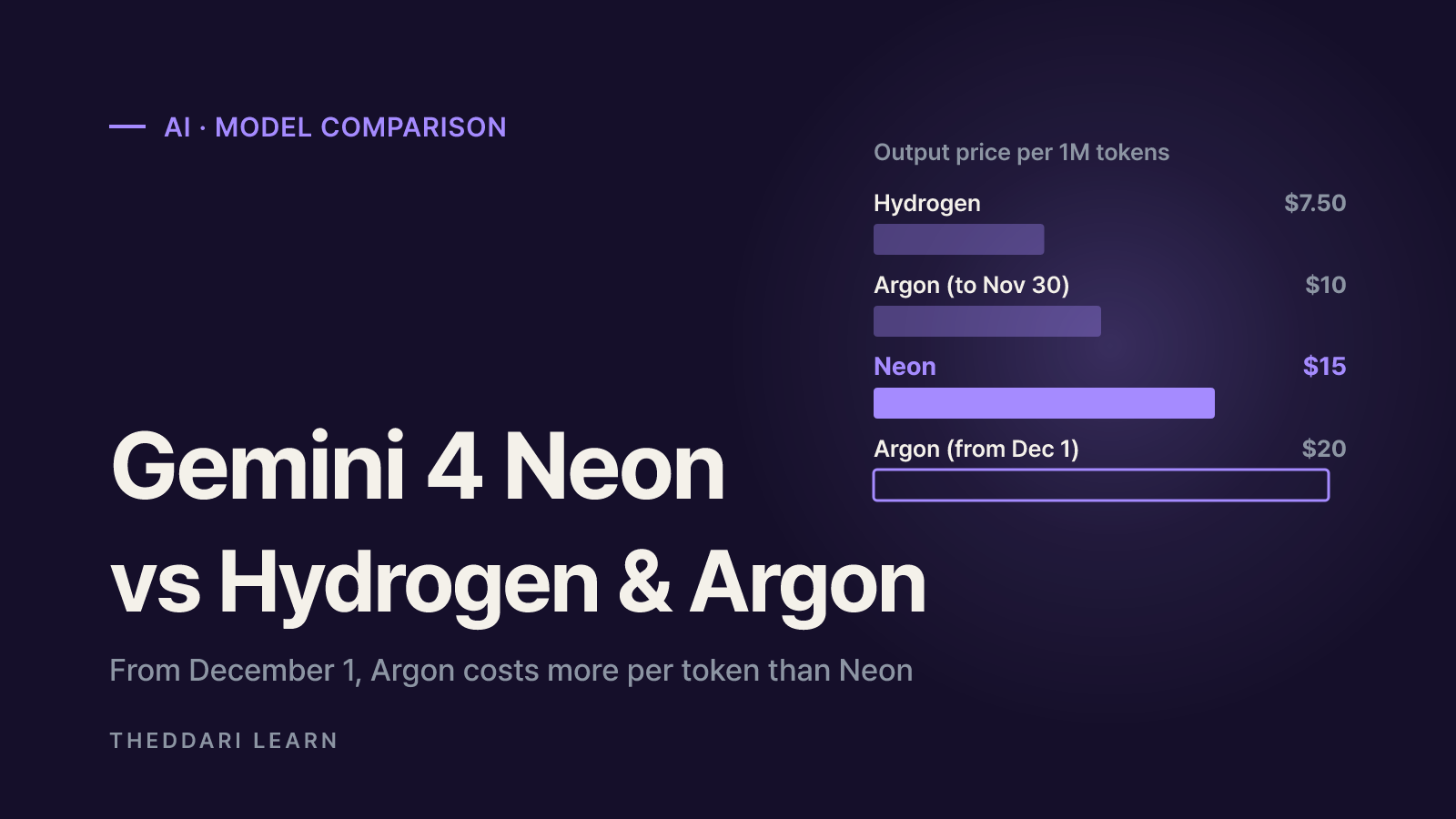
- Hydrogen costs exactly half as much per token and has a free tier; Argon's $2/$10 introductory price ends November 30, 2026, then becomes $4/$20.
- In the Gemini app, only Google AI Pro and Ultra subscribers can pick Neon from the model menu.
- Most benchmark figures come from Google's own announcement, so measure cost per task on your own workload before migrating.
Gemini 4 Neon is the newest member of Google's Gemini 4 family, announced on November 18, 2026. Google describes it as the middle option: deeper than the fast, low-cost Hydrogen, but quicker and cheaper per task than the frontier models Carbon and Argon. On the Gemini API it costs $3 per million input tokens and $15 per million output tokens, and it is not offered on the free tier. This guide uses Google's announcement and the Gemini API pricing page as of November 19, 2026 to explain what Neon is, how it differs from Hydrogen and Argon, and what to verify before you build on it.
What is Gemini 4 Neon?
In the launch post, Google DeepMind SVP Koray Kavukcuoglu frames Neon as a model for complex software engineering, knowledge work and science workflows that need frontier-level reasoning but also have to run often. Google's own positioning is simple: Carbon handles the hardest long-horizon projects, Hydrogen handles fast everyday execution, and Neon balances depth and efficiency between them.
Key specs
- Model ID:
gemini-4-neon. Inputs are text, images, video, audio and PDF; output is text (model page). - Context: a unified 1,048,576-token window shared by input and output. Default max output is 65,536 tokens, extendable to about 1M with long decode.
- Thinking levels: low, medium, high and xhigh, with high described as the default.
- Supported tools include code execution, function calling, structured outputs, computer use, URL context, and grounding with Google Search and Google Maps. Image generation, audio generation and the Live API are not supported.
What Google claims on benchmarks
Google says Neon scores 61 on the Artificial Analysis Intelligence Index at xhigh, ranking third overall, and ranks second on the Vals Index at 70.9%. It reports 65.2% on Terminal-Bench 4.1 and a first-place 58.6 on the Artificial Analysis Coding Agent Index. At the default high level, Google claims a 32% lower cost per task than Carbon. Treat these as vendor-reported results: the benchmarks, settings and thinking levels were chosen by Google, and public leaderboards change over time.
Gemini 4 Neon vs Hydrogen vs Argon
All three are Gemini 4 models with million-token-class context, but they differ sharply in price, free access and where you can use them. The table below uses standard paid-tier list prices from the pricing page as of November 19, 2026.
Google's positioning
- Gemini 4 Hydrogen
- Fast everyday execution
- Gemini 4 Neon
- Balance of depth and efficiency
- Gemini 4 Argon
- Frontier deep reasoning
Input per 1M tokens
- Gemini 4 Hydrogen
- $1.50
- Gemini 4 Neon
- $3.00
- Gemini 4 Argon
- $2.00 to Nov 30, then $4.00
Output per 1M (incl. thinking)
- Gemini 4 Hydrogen
- $7.50
- Gemini 4 Neon
- $15.00
- Gemini 4 Argon
- $10.00 to Nov 30, then $20.00
Cached input per 1M
- Gemini 4 Hydrogen
- $0.075
- Gemini 4 Neon
- $0.15
- Gemini 4 Argon
- $0.10, then $0.20
Free API tier
- Gemini 4 Hydrogen
- Yes
- Gemini 4 Neon
- No
- Gemini 4 Argon
- No
AA Index (Google-reported)
- Gemini 4 Hydrogen
- 51 high / 54 xhigh
- Gemini 4 Neon
- 61 xhigh
- Gemini 4 Argon
- 50
Gemini app
- Gemini 4 Hydrogen
- All users
- Gemini 4 Neon
- Pro and Ultra
- Gemini 4 Argon
- Pro and Ultra
The Hydrogen announcement states that Hydrogen edges out Argon on the Artificial Analysis index at its default level (51 vs. 50). That does not make Argon a weaker model across the board: Argon was introduced with a 1M-token output limit for very long reasoning runs, which a single index score does not capture.
Hydrogen: the cheap workhorse
Hydrogen is half Neon's per-token price and is available on every AI Studio and Gemini API tier, in the Gemini app and in Google Search. Google pitches the two as partners rather than rivals: in Google Antigravity, Neon can act as an orchestrator that directs parallel Hydrogen subagents.
Argon: introductory pricing is ending
Argon was announced on September 30, 2026 and opened broadly on October 13. Its $2/$10 introductory rate expires on November 30, 2026, and the $4/$20 rate applies from December 1. On the API its default thinking level is medium, with low, medium and high available.
What the December 1 price change means
Neon arrived less than two weeks before Argon's price doubles, which matters if you budgeted around Argon. To make the trade-off concrete, here is an illustrative job using 100,000 input tokens and 20,000 output tokens at standard rates, assuming every model used the same token count.
Hydrogen
- Formula
- 0.1×$1.50 + 0.02×$7.50
- Illustrative cost per job
- $0.30
Argon (to Nov 30)
- Formula
- 0.1×$2 + 0.02×$10
- Illustrative cost per job
- $0.40
Neon
- Formula
- 0.1×$3 + 0.02×$15
- Illustrative cost per job
- $0.60
Argon (from Dec 1)
- Formula
- 0.1×$4 + 0.02×$20
- Illustrative cost per job
- $0.80
Real costs will differ because each model and thinking level burns a different amount of thinking tokens, which are billed at the output rate. That is why Google emphasizes cost per task rather than cost per token for Neon. For non-urgent volume, Neon's Batch and Flex rates are half of standard: $1.50 input and $7.50 output per million tokens.
Grounding with Google Search is free for 5,000 requests per month, shared across Gemini 3 and newer models, then costs $14 per 1,000 queries. A single prompt can trigger several searches, so search-enabled agents can add cost on top of token charges.
Where you can use Neon
- Developers: the paid tier of the Gemini API in Google AI Studio, plus Android Studio. Pro and Ultra subscribers can also try it in AI Studio.
- Google Antigravity: available to paid Google AI Pro and Ultra subscribers, a wider group than Argon's Ultra-only Antigravity launch.
- Businesses: Gemini for business, through the API or the model drop-down.
- Consumers: Google AI Pro and Ultra subscribers can select Neon in the Gemini app. Free users stay on Hydrogen.
- Security teams: a separate Neon for cyber build is rolling out to eligible members of Google's Fairwind Program.
Checklist before you switch
- 1
Set up a paid project and spend cap
Call
gemini-4-neonfrom a paid API project; free-tier keys will not work. Configure a budget alert before running agents. - 2
Pick a thinking level deliberately
High is the default. Xhigh posts the best scores but can raise latency and output-token spend, so test low and medium against your quality bar first.
- 3
Plan for output limits
Standard responses stop at 65,536 output tokens. Enable long decode only when you actually need very long reports or code.
- 4
Benchmark on your own tasks
Run the same prompt set through Hydrogen, Neon and Argon and record success rate and tokens used. Your own numbers beat any launch chart.
- 5
Re-budget for December 1
If your forecasts assume Argon's introductory rate, update them for $4/$20 and decide whether Neon, Hydrogen or a mix fits better.
- 6
Check data terms
The pricing page says paid-tier content is not used to improve Google's products, while free-tier content may be. Keep sensitive data off free-tier keys.
Early user reports on new models tend to move fast. You can follow how AI channels are discussing Neon's pricing and real-world results on theddari's AI Telegram trends, and see which AI topics are getting blog coverage on the blog trends dashboard.

Bottom line
Start with Hydrogen for cheap, retryable bulk work. Move to Neon when tasks need deeper reasoning but still run often, such as multi-file debugging or analysis across spreadsheets and PDFs. Reserve Carbon or Argon for the hardest long-horizon problems, and price Argon at its post-December 1 rate. In every case, Google's launch numbers are a starting point; the success rate and cost per task you measure on your own workload should decide the switch.
Frequently asked questions
Is Gemini 4 Neon free to use?
Gemini Neon vs Hydrogen: which should I use?
Is Gemini 4 Neon cheaper than Argon?
Can Gemini 4 Neon output a million tokens?
Sources and references
- 1Introducing Gemini 4 Neon (Google blog, Nov 18, 2026)(opens in a new tab)blog.google
- 2Gemini Developer API pricing (Google AI Studio)(opens in a new tab)aistudio.google.com
- 3Gemini 4 Neon model page (Google AI Studio)(opens in a new tab)aistudio.google.com
- 4Introducing Gemini 4 Hydrogen (Google blog)(opens in a new tab)blog.google
- 5Gemini 4 Argon is now available for everyone (Google blog, Oct 13, 2026)(opens in a new tab)blog.google
Related articles
 AI
MiniMax-H3-Image: Specs, ComfyUI Setup and License Limits
MiniMax-H3-Image topped Hugging Face trending. We checked the model card, the official ComfyUI tutorial and the license text: what the model does, how the Comfy-Org repack differs, how to set it up, and why US, UK, EU and Korean users are outside the default license.
 AI
GPT-6.2 Astra vs Sol: Differences, Pricing and Access
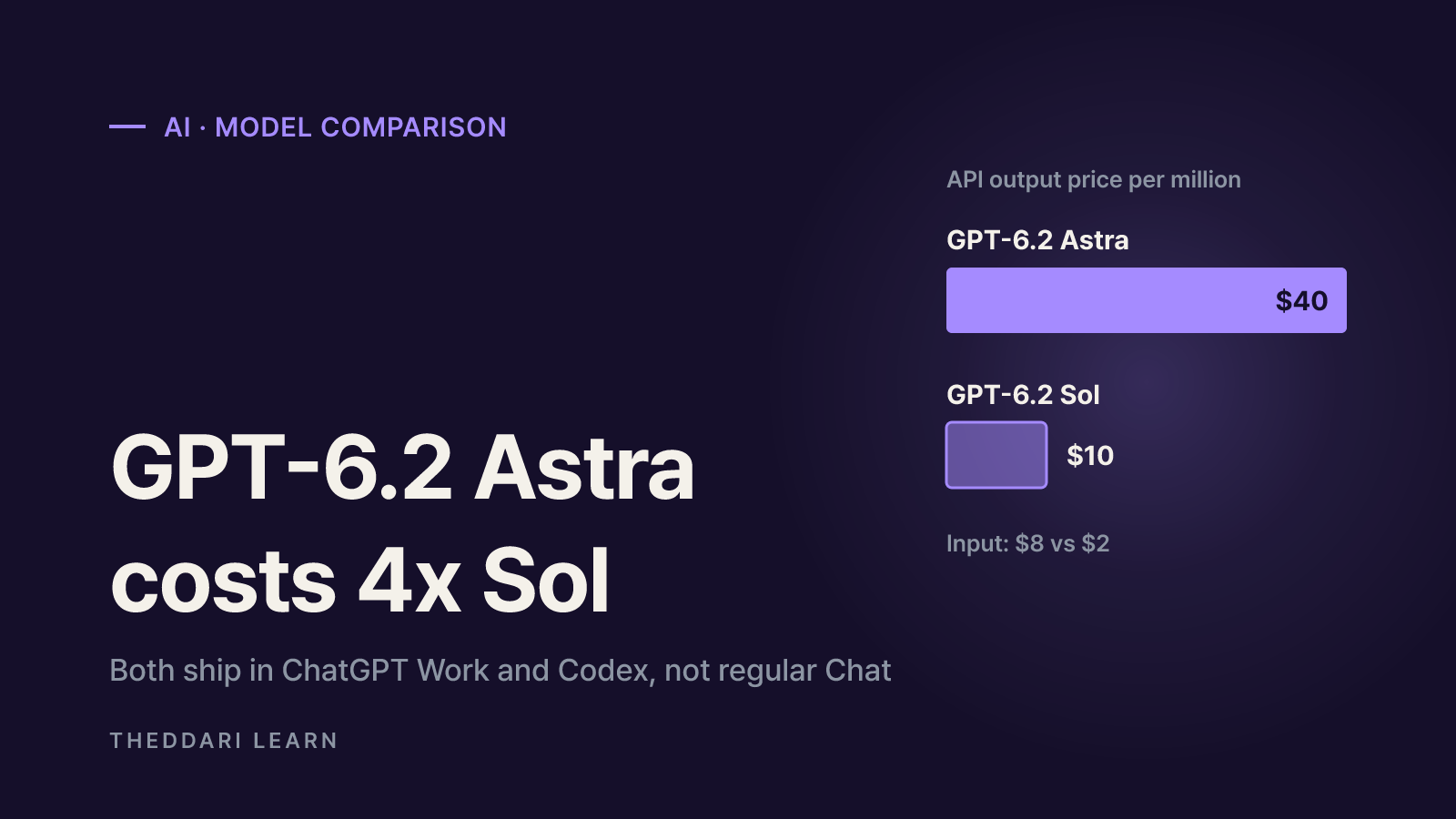
GPT-6.2 Astra is OpenAI's frontier model for hard professional work; GPT-6.2 Sol is the efficient everyday model. Astra costs 4x more per API token, and both ship in ChatGPT Work and Codex, not regular Chat.
 AI
What Is Vibe Coding? How It Works and Where It Breaks
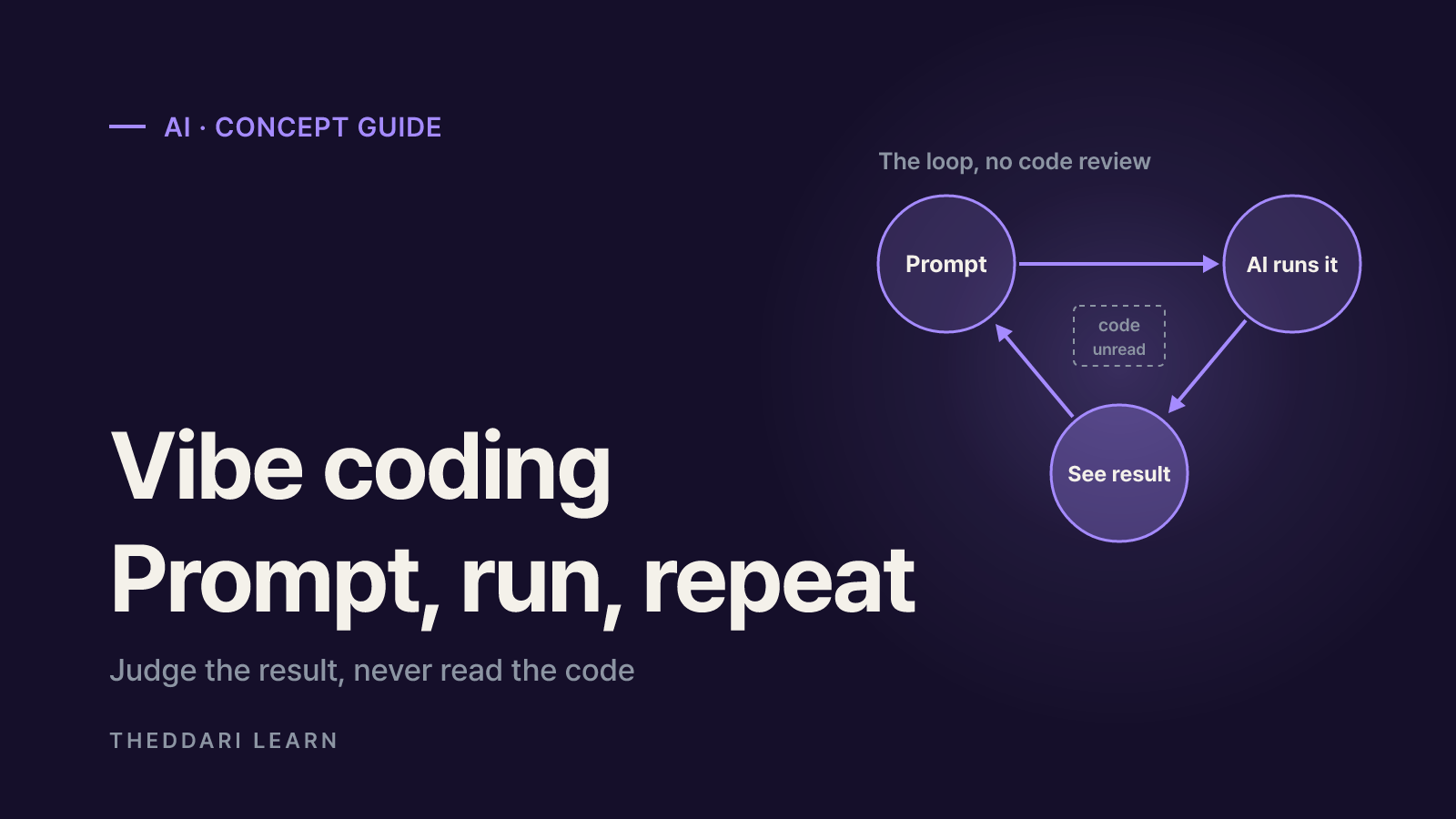
Vibe coding means building software by prompting an AI and judging only the result, never the code. Here is what it can realistically do, which tools fit which job, and where it fails.