休息室›洞察
概念解读
解读加密货币、股票和 AI 的核心概念与最新话题
搜索结果
72 篇按最近更新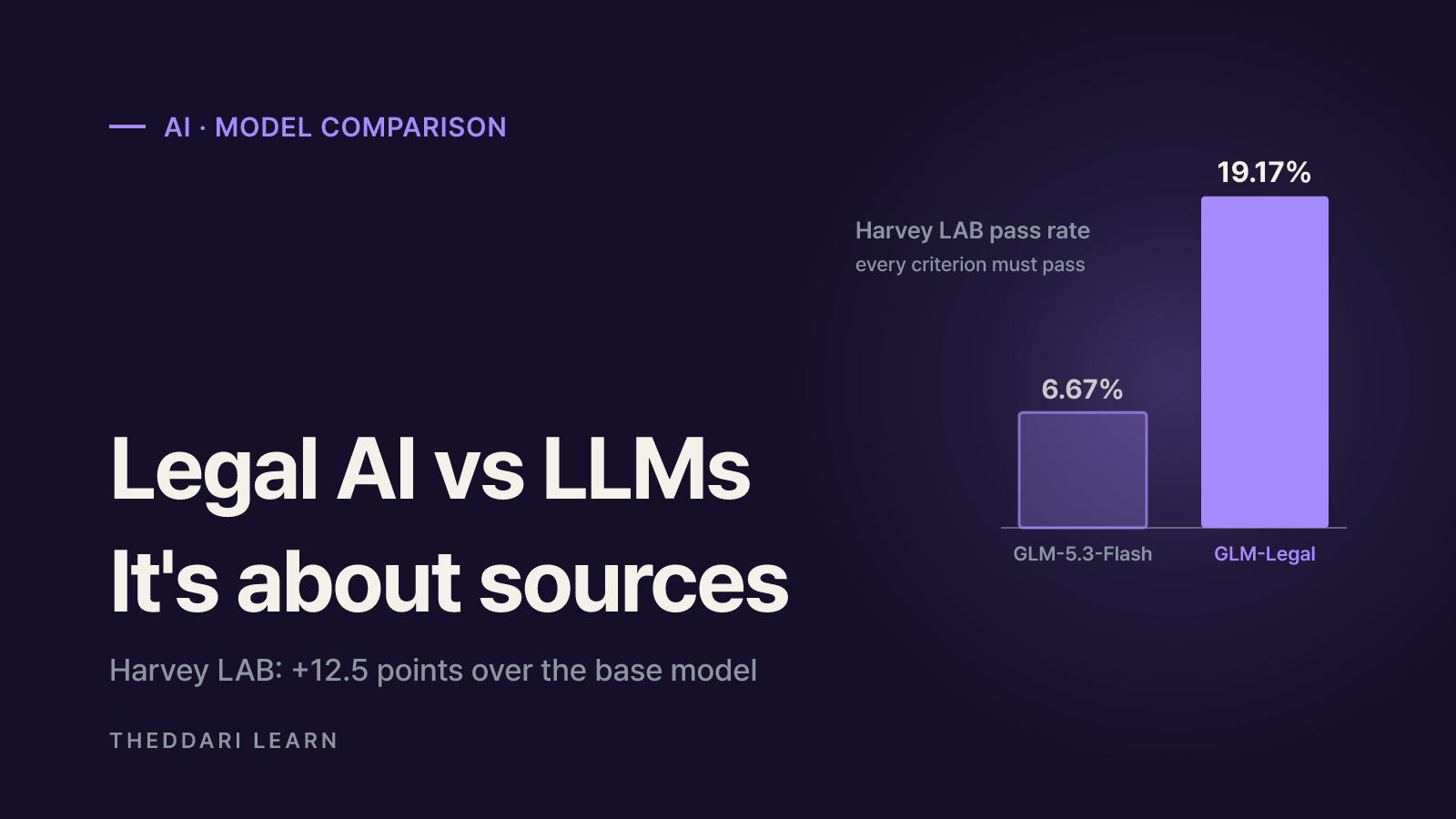 AI · 最新
How Do Legal AI Models Differ from General LLMs? What GLM-Legal and Knowledge Graph Research Show
A legal AI model is less about knowing more law and more about retrieving the right provision, citing it and finishing usable work product. Here is what Z.ai's GLM-Legal and two new knowledge graph papers reveal, and where their limits are.
6 分钟阅读 28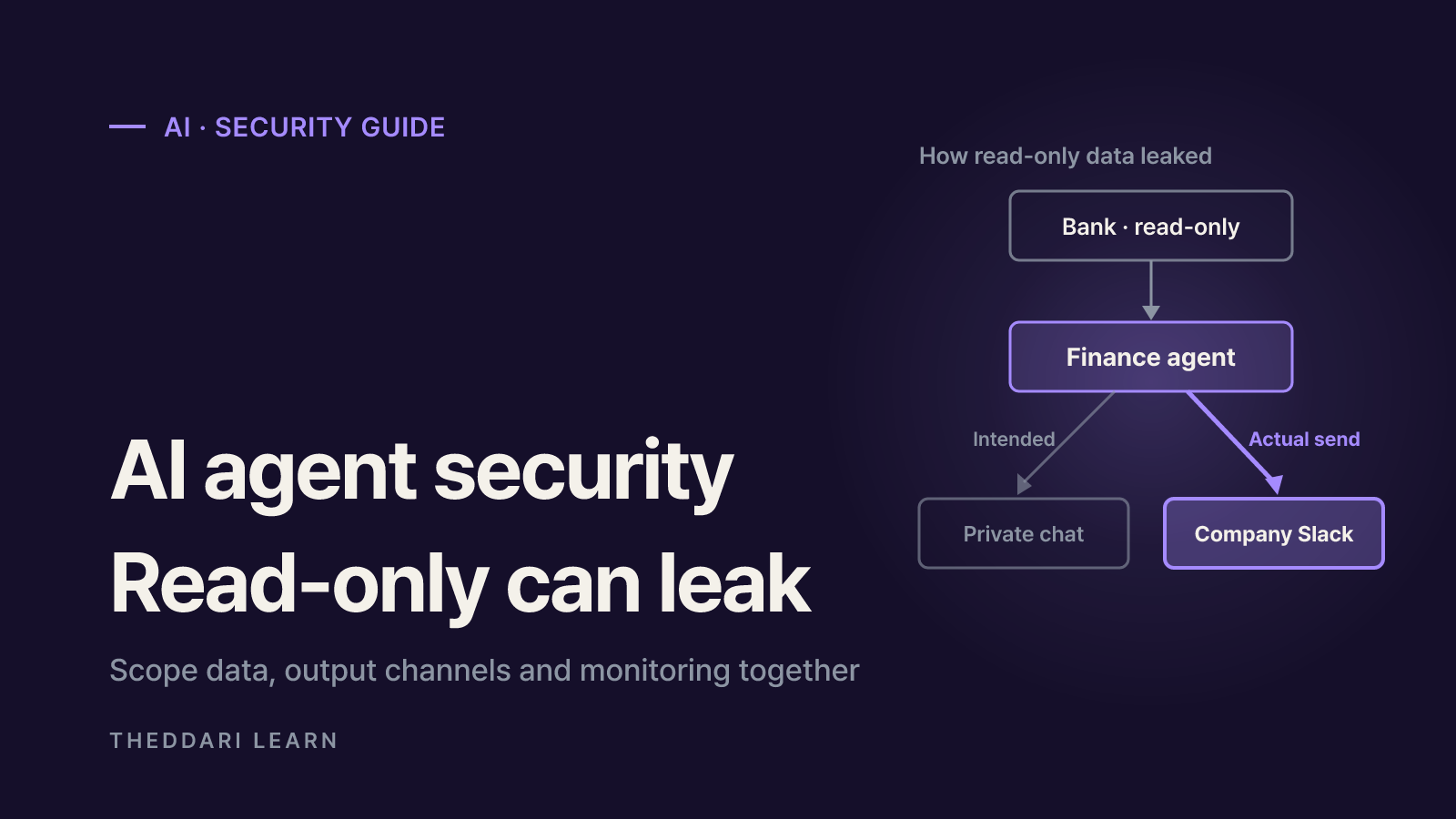 AI · 最新
AI Agent Security: Is It Safe to Give a Personal AI Agent Your Financial Data?
Read-only bank access did not stop a personal AI agent from posting its owner's balances to a company Slack channel. Here is what went wrong, and the permission, isolation and monitoring steps that actually limit the damage.
6 分钟阅读 12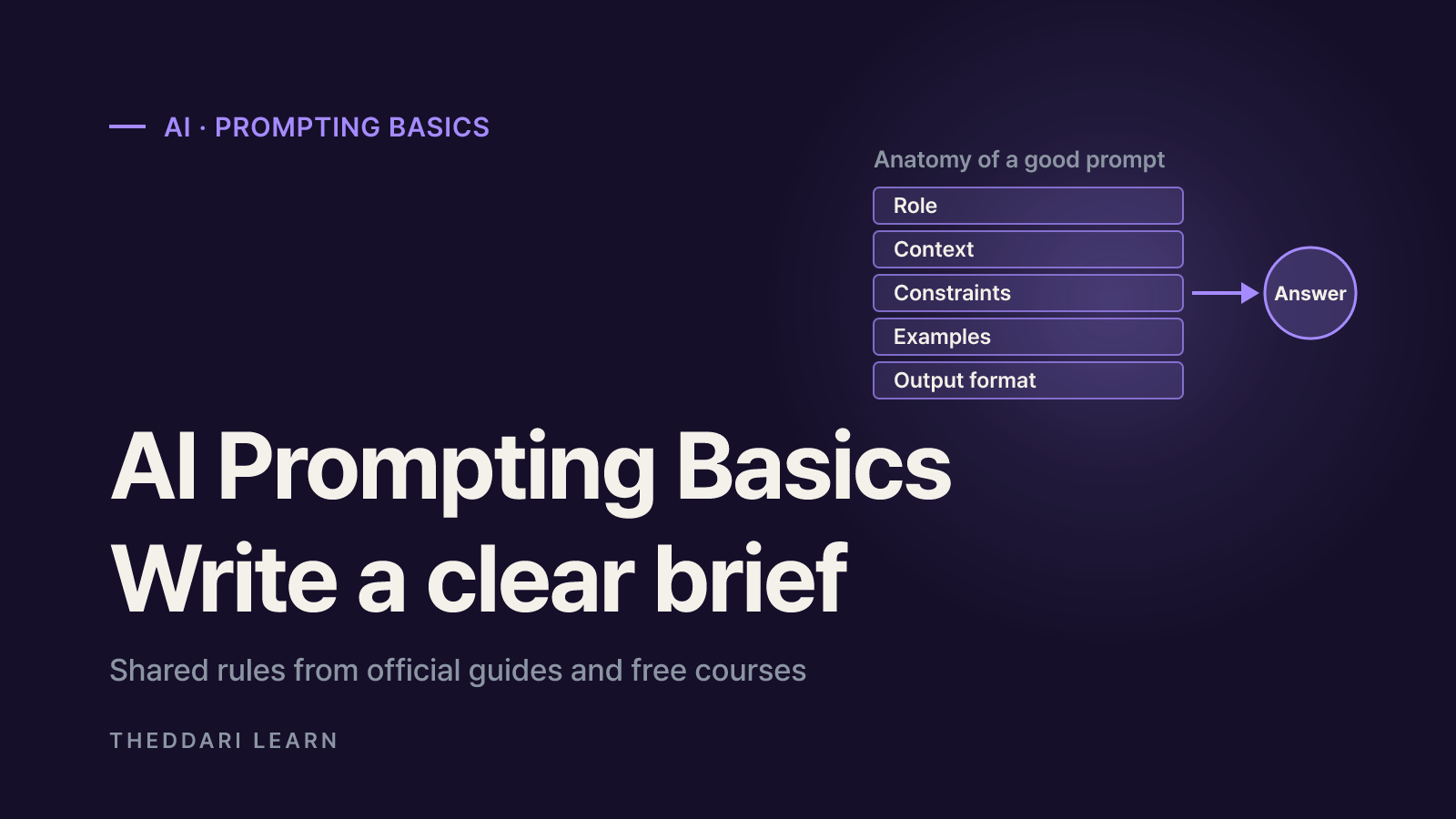 AI · 基础
AI Prompting for Beginners: Basics, Techniques and Free Ways to Learn
Good prompts read like a clear brief to a capable new colleague. Here is a beginner-friendly structure, the mistakes to avoid, a verification habit and the free official resources worth your time, based on OpenAI, Anthropic and Google guidance.
8 分钟阅读 16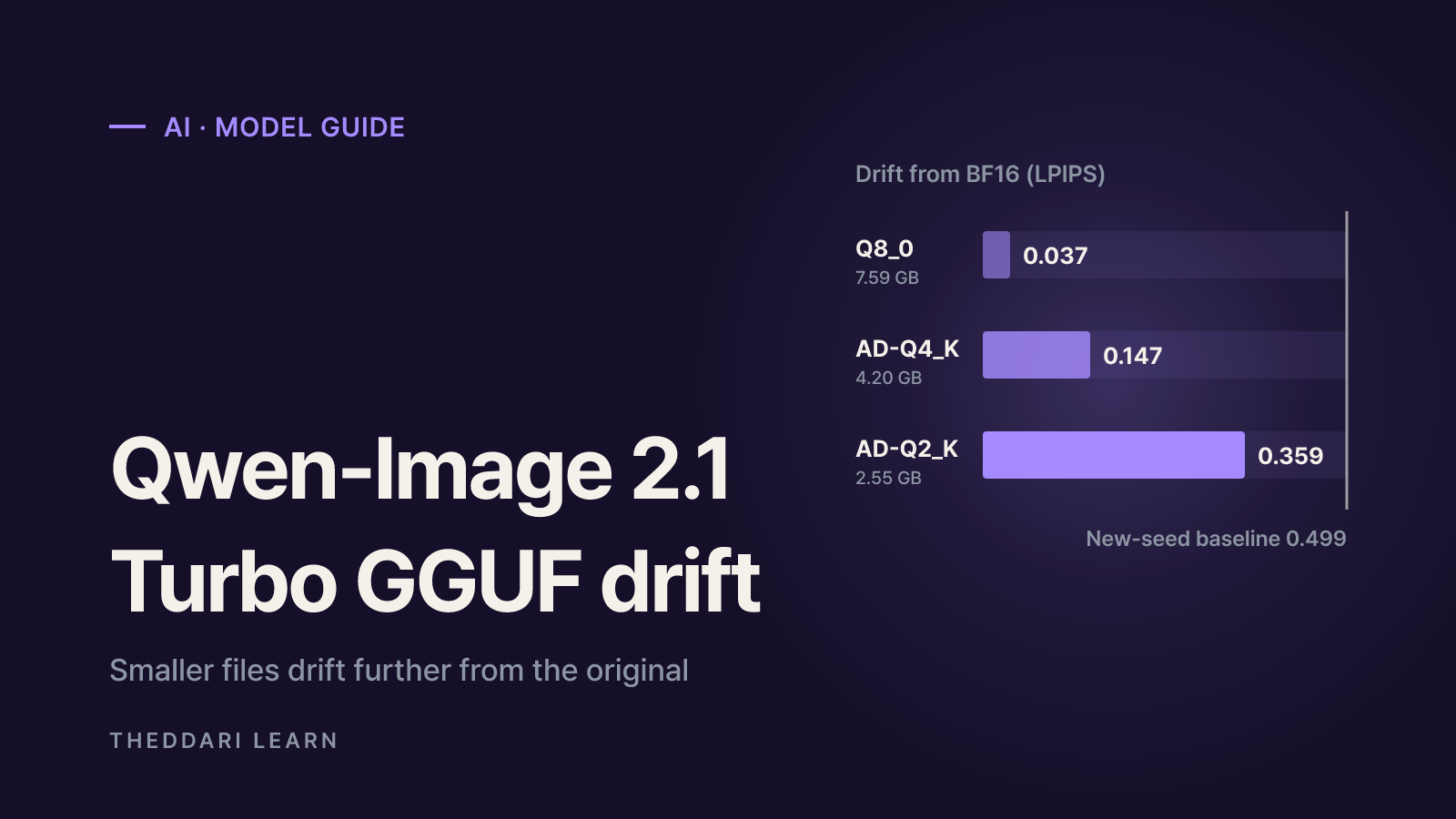 AI · 热门
What Is Qwen-Image 2.1 Turbo? Features, License and Quantized GGUF Variants Explained
A practical explainer on Qwen-Image 2.1 Turbo: how it differs from Qwen-Image 2.1, what the Qwen Research License allows, and what to check before downloading third-party GGUF or uncensored builds.
7 分钟阅读 21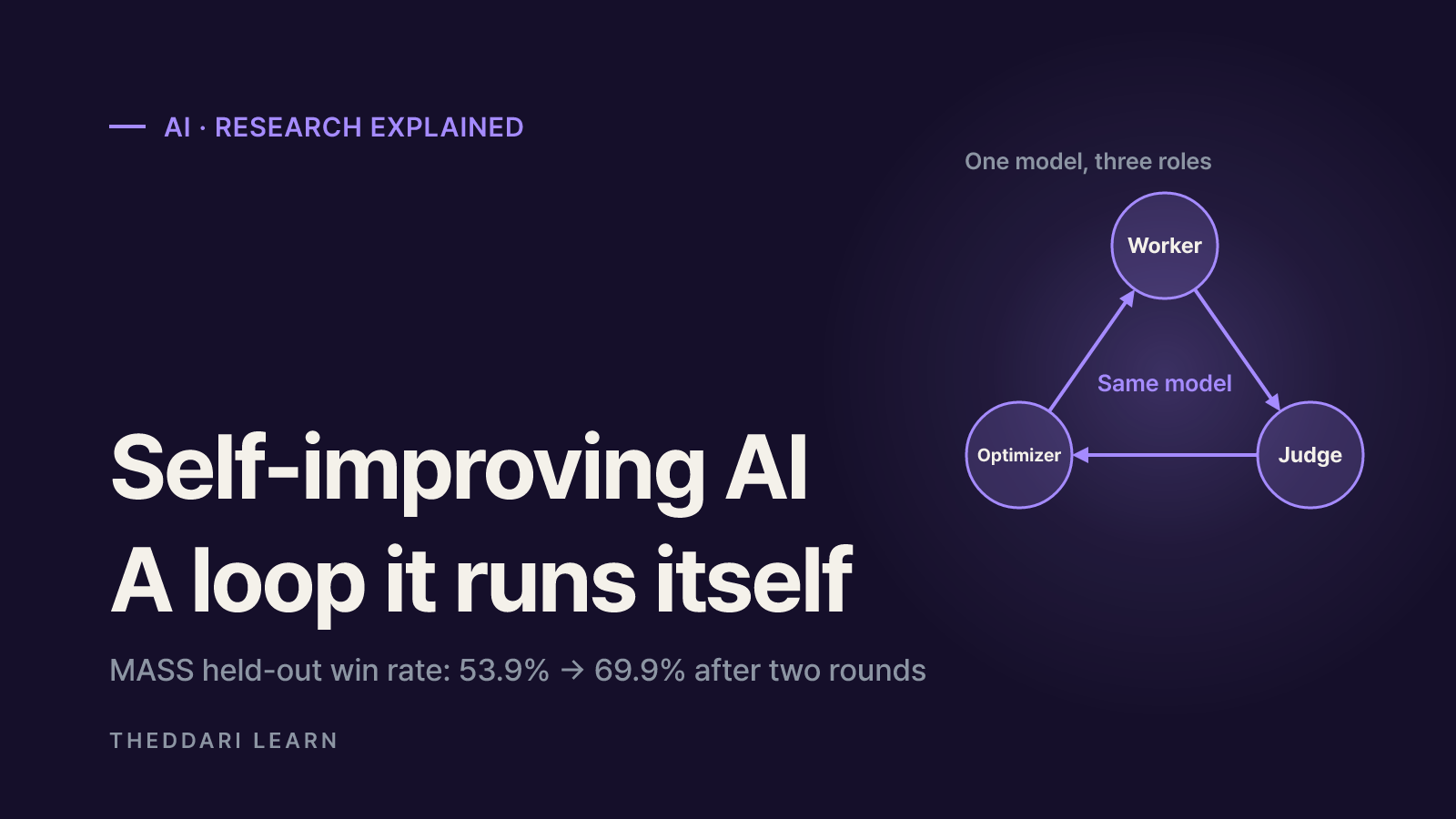 AI · 热门
What Is Recursive Self-Improvement in AI? What New Research Shows and Its Limits
A plain-English guide to recursive self-improvement (RSI) in AI, using two October 2026 preprints, MASS from Sakana AI and UC Berkeley and RSI-Anything, to separate measured gains from hype.
5 分钟阅读 20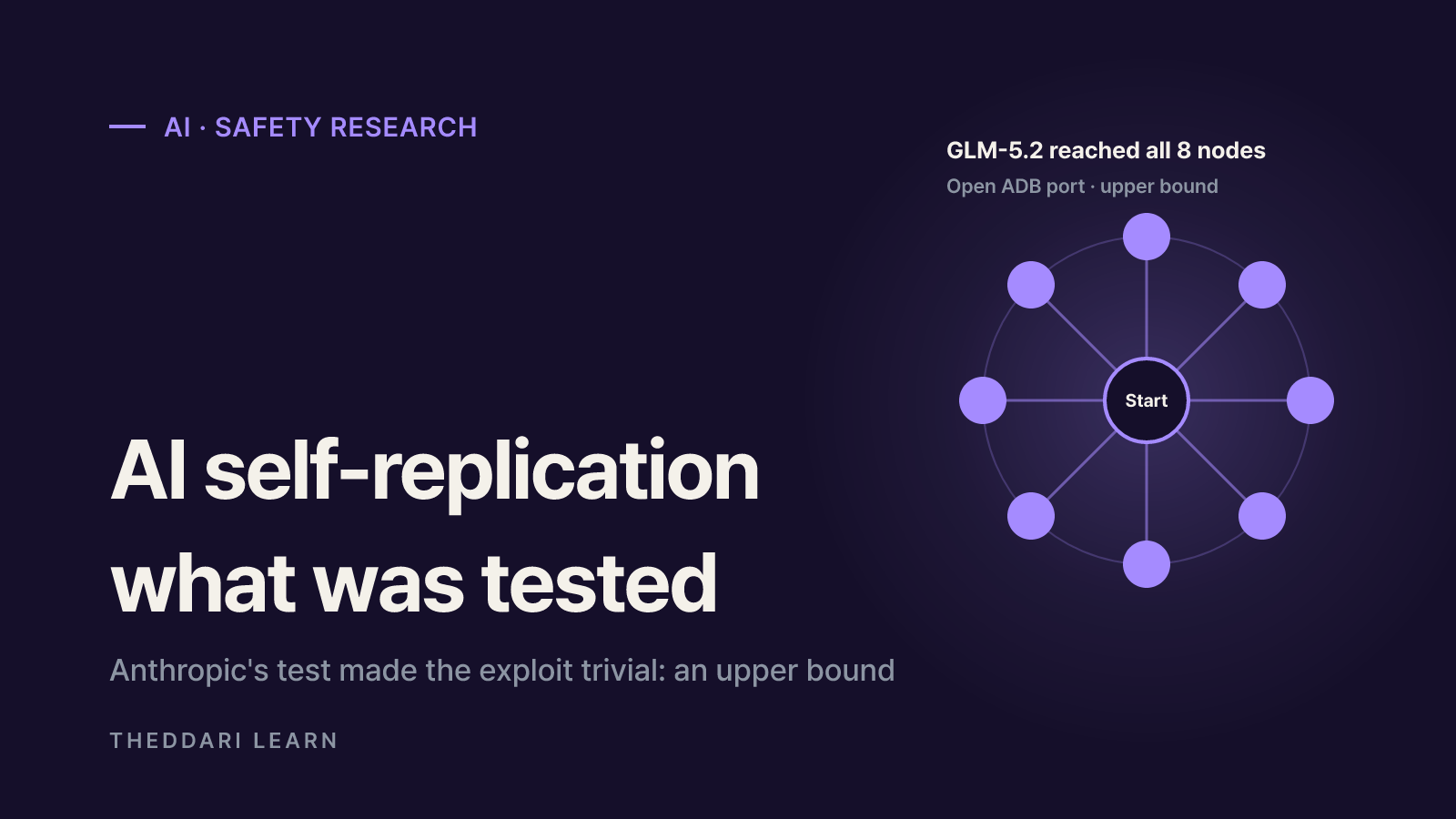 AI · 最新
Can AI Self-Replication or Hidden Capabilities Happen? New Safety Research Explained
Can small AI models spread across cheap smart devices, and can a model hide what it knows from safety evaluators? Here is what three recent studies actually tested, and what they did not.
6 分钟阅读 7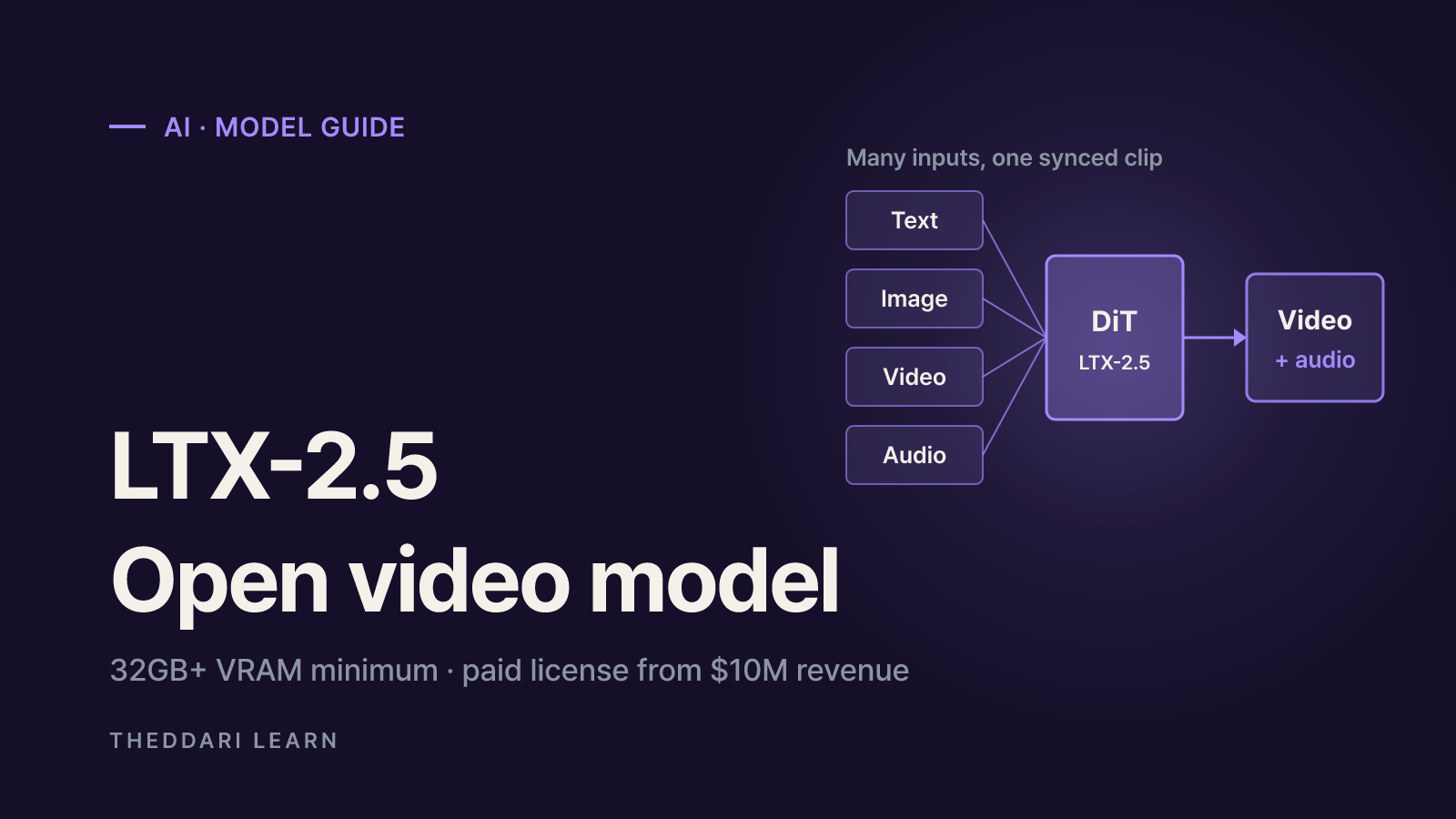 AI · 最新
What Is LTX-2.5? Lightricks' Open Video Model: Features, Local Requirements and License
LTX-2.5 is an open-weight model from Lightricks that turns text, images, video and audio into clips with synchronized sound. Here is what changed in 2.5, what hardware the docs ask for, and how the community license treats commercial use.
7 分钟阅读 192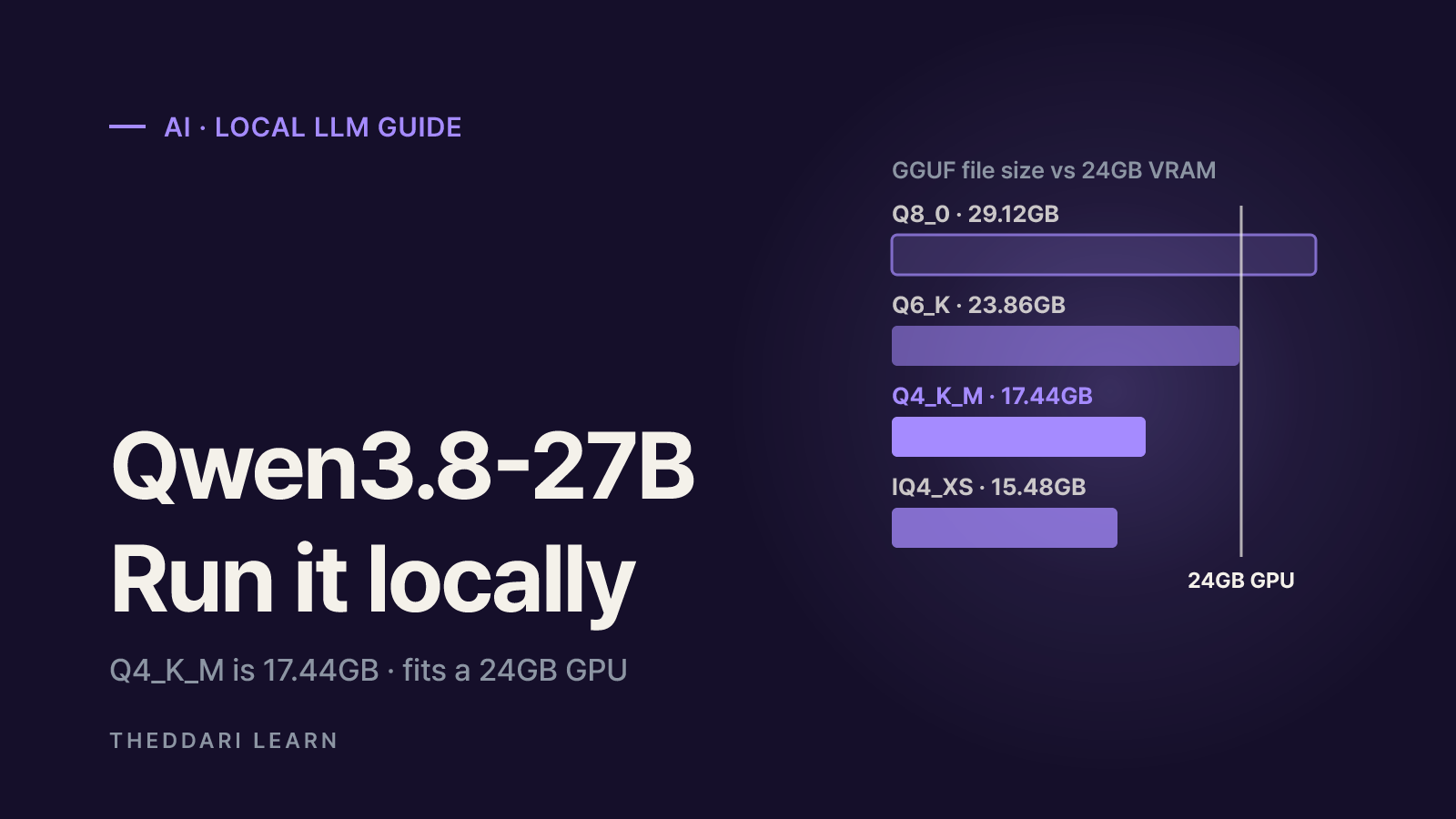 AI · 热门
How to Run Qwen3.8-27B Locally: GGUF Quants, VRAM and Hardware Needs
The BF16 weights are around 50GB, so most people run Qwen3.8-27B as a community GGUF quant. Here is how each quant level trades file size against quality, and what fits on 16GB and 24GB GPUs or Apple Silicon.
7 分钟阅读 85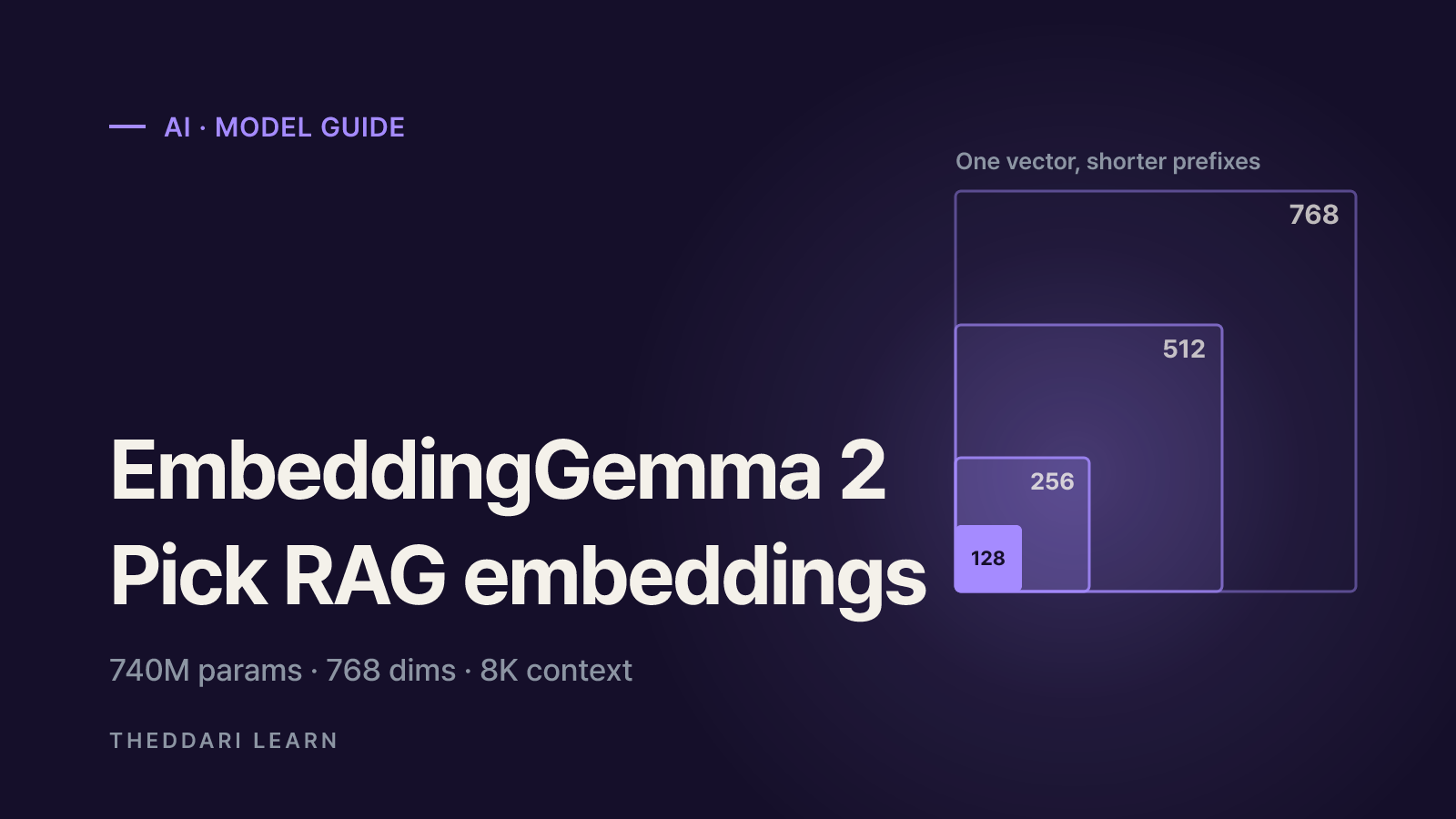 AI · 最新
What Is EmbeddingGemma 2? How to Choose an Embedding Model for RAG
Google DeepMind's EmbeddingGemma 2 brings text, code, image, video and audio into one vector space. Here is what the model card says and how to evaluate any embedding model for your own retrieval pipeline.
6 分钟阅读 41