Nvidia Circular Financing Claims: What Holders Should Check
Reports say Nvidia funded AI startups and neoclouds that buy its GPUs. What's confirmed, what's alleged, and which 10-Q lines NVDA holders should check.
Contents8 sections
Key takeaways
- As of November 16, 2026, the circular financing story is a reported allegation based on the Wall Street Journal; Nvidia has not confirmed it and no regulator has ruled on it.
- Confirmed facts: Jensen Huang resigned on November 12, CFO Colette Kress is interim CEO, and independent directors hired outside counsel for a separate investigation.
- Funding or guaranteeing your own customers is legal, but it stacks risks: if a customer fails, orders drop, the equity stake loses value and guarantees can come due.
- The useful evidence sits in Nvidia's 10-Q notes on commitments, guarantees, non-marketable investments, customer concentration and receivables.
- Q3 fiscal 2027 results land November 17, 2026 at about 1:20 p.m. PT; watch for changes in guarantees and cloud-purchase commitments.
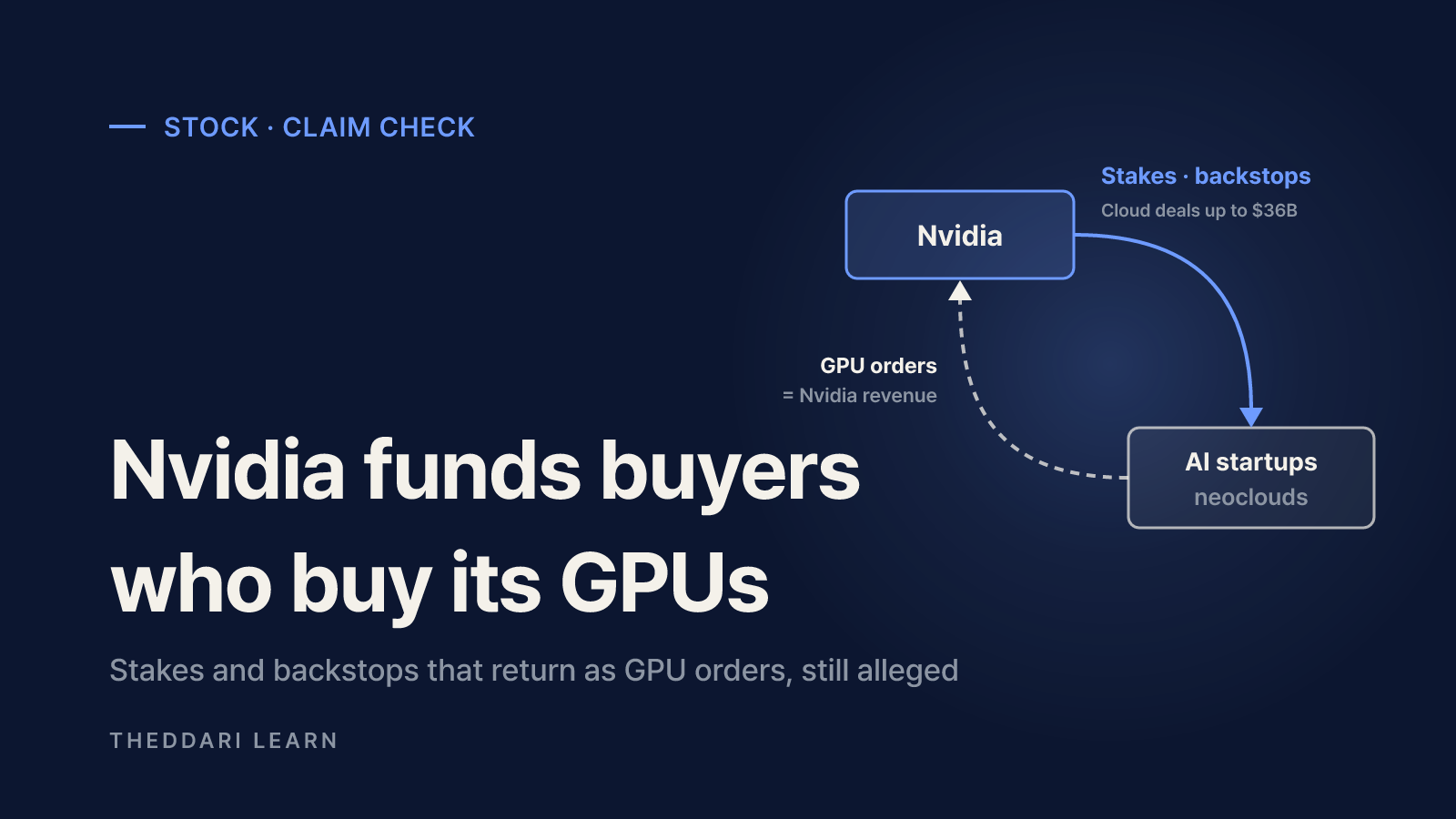
The Nvidia circular financing claim is that Nvidia invested in, backstopped or bought capacity from AI startups and smaller GPU clouds, and those companies then used the support to buy more Nvidia GPUs, making demand and scarcity look bigger than they were. As of November 16, 2026, this is an allegation from a Wall Street Journal report, relayed by TechPowerUp and Wccftech. Nvidia has not confirmed it, and no regulator has made a finding. For NVDA holders, the practical move is not guessing whether the story is true, but checking the investments, guarantees and purchase commitments Nvidia already discloses, and how they change.
Below: how the money loop works, what is confirmed versus reported, how this can distort revenue quality, and the specific filing lines and earnings-call questions worth tracking.
How Nvidia circular financing works
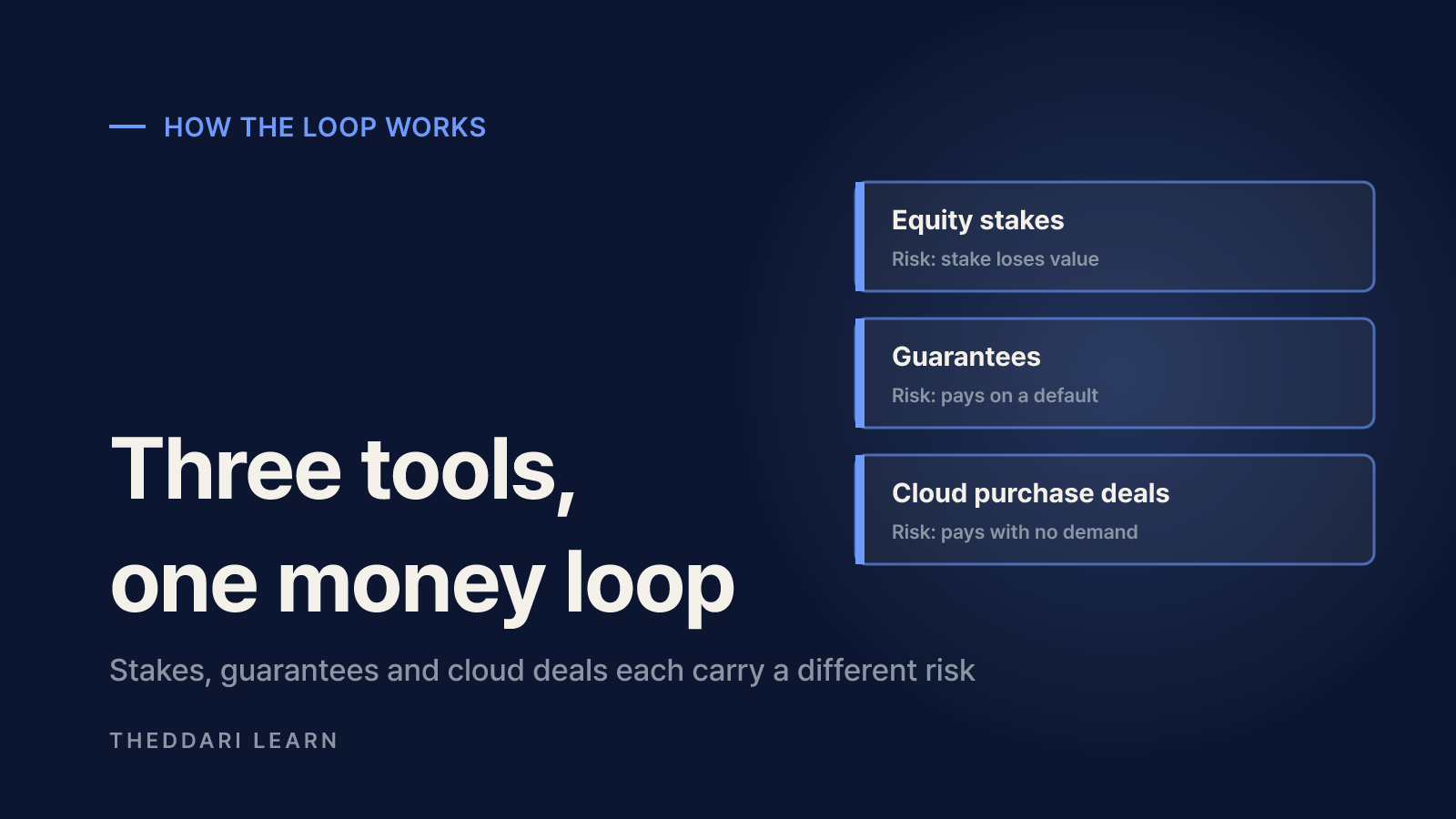
Circular financing means a supplier puts money into its customers, and some of that money comes back as orders for the supplier's products. In Nvidia's case, reporting describes three overlapping tools rather than simple cash-for-orders deals.
Equity stakes
- What Nvidia does
- Buys shares in AI labs and neoclouds
- Effect on the customer
- More capital for data centers and GPUs
- Risk Nvidia keeps
- Loss if the customer's value falls
Guarantees
- What Nvidia does
- Backs leases, power or debt payments
- Effect on the customer
- Cheaper, easier borrowing
- Risk Nvidia keeps
- Must pay if the customer defaults
Cloud purchase deals
- What Nvidia does
- Agrees to rent back unused capacity
- Effect on the customer
- Steadier utilization and cash flow
- Risk Nvidia keeps
- Pays even if it lacks demand
According to CNBC, Nvidia disclosed in its July 2026 quarterly filing that it had committed to buy up to $36 billion in cloud services from neoclouds. CNBC also cites a $105 billion phased guarantee, subject to conditions, on an Ohio data center project planned by OpenAI and SB Energy. A Columbia Business School professor estimates Nvidia's various obligations at about $400 billion in total, while noting they are unlikely to come due at once.
Vendor financing is an old sales tool. If customers really use the hardware and pay their bills, the revenue is real. The questions are whether that demand would exist without the supplier's money, and whether the risk is fully disclosed.
Confirmed facts vs. reported claims
Leadership news and allegations arrived in the same week, which makes it easy to blur the two. Based on sources read through November 16, 2026:
Jensen Huang resigned as CEO and director; Colette Kress is interim CEO and stays CFO
- Status
- Official
- Source
- Nvidia press release, Nov 12
Harvey C. Jones named first-ever board chair
- Status
- Official
- Source
- Nvidia press release, Nov 12
Independent directors retained Joon H. Kim and Wachtell Lipton for an investigation
- Status
- Official (tied to reports about Huang)
- Source
- Nvidia statement, Nov 10
Kress pushed in August to scale back circular financing
- Status
- Reported
- Source
- WSJ via secondary outlets
OpenAI underwriting talks cut from up to $250B to a cap of about $125B
- Status
- Reported
- Source
- Wccftech citing WSJ
Nvidia asked TSMC to wind down upcoming orders
- Status
- Reported
- Source
- Wccftech citing WSJ
Cloud-service commitments of up to $36B to neoclouds
- Status
- Filing-based reporting
- Source
- CNBC, linking the July 10-Q
Nvidia's CEO transition release covers the resignation, the interim appointment and an unchanged earnings date. It does not address the financing report. The independent directors' statement refers to an investigation announced over reports about Huang; nothing published so far says it covers the financing book. CNBC notes Nvidia did not respond to its request for comment.
Why the dollar figures don't match
Wccftech puts the signed OpenAI-related guarantee cap at about $125 billion. CNBC lists a $105 billion phased Ohio guarantee and, separately, a backstop of up to $125 billion on a $500 billion credit program run by Wall Street firms. A number under discussion, a signed cap and a conditional guarantee that phases in over years are not interchangeable. Don't add them up or treat one as a correction of another until Nvidia's own filing defines them.
Three ways it can distort revenue quality
1. Demand that looks organic but isn't
The report says hyperscalers were shifting work to in-house chips while Nvidia had large prepaid wafer and memory commitments. Funding smaller buyers can keep the growth rate intact, but it becomes hard to tell how much demand the market would generate on its own. That is the core of the GPU scarcity allegation. Still, a shortage of finished accelerators and a surplus of prepaid components can coexist, so the reporting does not prove the shortage was staged.
2. Losses that stack
When a supplier also owns part of a customer, a struggling customer means fewer orders and a falling stake at the same time. Add a guarantee and there is a third bill. CNBC reports that the cost of insuring CoreWeave debt rose 94% between October 1 and November 5, 2026, and an IREN convertible bond due 2029 fell 23% from November 3 to 5. Customer credit stress is the channel to watch.
3. Slower collection and concentration
If funded customers pay late, accounts receivable grow faster than revenue. If a few customers dominate, one funding problem can swing the whole quarter. Track receivables, customer mix and operating cash flow, not just the top line.
What to check in Nvidia's 10-K and 10-Q
The SEC's Investor.gov guide explains that a 10-K includes the business description, Risk Factors, MD&A and audited financial statements. The quarterly 10-Q follows a similar layout. To test the circular financing story, work through it in this order:
- 1
Open the latest 10-Q on EDGAR
Search NVIDIA Corp on SEC EDGAR and open the most recent 10-Q. A new one should follow the Q3 report.
- 2
Read commitments and guarantees
In the Commitments and Contingencies and Guarantees notes, compare supply and capacity purchase obligations, cloud-service agreements and lease guarantees with the prior quarter, including timing.
- 3
Check the investments note
Look at the carrying value of non-marketable equity securities, new purchases and how much of the gain is mark-ups. See whether investment gains are lifting reported earnings.
- 4
Compare receivables with revenue
Check customer concentration disclosures and whether accounts receivable are growing much faster than revenue, which can signal collection risk.
- 5
Diff Risk Factors and MD&A
Compare wording with the previous filing. New or stronger language on investments, guarantees or hyperscaler custom chips matters.
- 6
Watch 8-K filings
Large new guarantees, investments or changes to existing deals may appear in 8-K current reports between quarterly filings.
Nvidia reports third-quarter fiscal 2027 results on Tuesday, November 17, 2026, at about 1:20 p.m. PT (4:20 p.m. ET), with the call at 2 p.m. PT. You can keep the date on theddari's earnings calendar.

- Did total guarantees and cloud-purchase commitments rise or fall versus last quarter?
- What conditions and start dates apply to the Ohio guarantee?
- Does interim CEO Kress say Nvidia will scale back investments or guarantees?
- Does guidance say anything about revenue share from neoclouds and AI labs?
Nvidia stock: what the market is pricing, and the limits
CNBC reports Nvidia shares fell 33% from their October 6 peak through the morning of November 12, 2026. The same piece notes Nvidia's market value was still about $3.9 trillion, and one expert argued the company would have to be near collapse before all its guarantees were at risk. On the other side, AMD, Broadcom, Google, Microsoft and OpenAI are all building their own AI chips, which is exactly the pressure that could make customer financing more tempting.
Market chatter often moves before filings do. theddari's Telegram stock trends page shows how often Nvidia comes up in investor channels, which helps gauge how fast a story is spreading. Mention volume is context, not a price forecast.
A reported allegation is not proof of accounting fraud or inflated sales. Dismissing it as just a story is also a mistake when the disclosed commitments are this large. The verifiable numbers are in the 10-Q notes.
Holder checklist
- Separate official facts (resignation, interim CEO, board investigation) from reported details (the August meeting and dollar figures).
- Build a quarter-by-quarter table of commitments, guarantees and investments from the 10-Q notes.
- Compare receivables growth with revenue growth and watch customer concentration.
- On the November 17 call, listen for any change in financing policy under the interim CEO.
- Track neocloud credit signals, such as bond prices and credit default swaps, as an early read on Nvidia's exposure.
Frequently asked questions
Is circular financing illegal?
Does the report mean Nvidia's revenue is fake?
Why do the guarantee numbers differ between outlets?
How does the earnings call help with this?
Sources and references
- 1TechPowerUp: NVIDIA Allegedly Engineered Scarcity By Funding AI Startups To Buy Its GPUs (Nov 14, 2026)(opens in a new tab)www.techpowerup.com
- 2Wccftech: Jensen Huang Reportedly Financed AI Startups To Absorb Excess Silicon (Nov 13, 2026)(opens in a new tab)wccftech.com
- 3NVIDIA Newsroom: NVIDIA Announces CEO Transition (Nov 12, 2026)(opens in a new tab)nvidianews.nvidia.com
- 4NVIDIA Newsroom: Statement From the Independent Members of the NVIDIA Board (Nov 10, 2026)(opens in a new tab)nvidianews.nvidia.com
- 5CNBC: Nvidia's leadership crisis tests the chipmaker's role as the 'central bank of AI' (Nov 11, 2026)(opens in a new tab)www.cnbc.com
- 6Investor.gov (SEC): How to Read a 10-K(opens in a new tab)www.investor.gov
Related articles
 Stocks
Anthropic IPO: What to Check in the S-1, Timing and Access
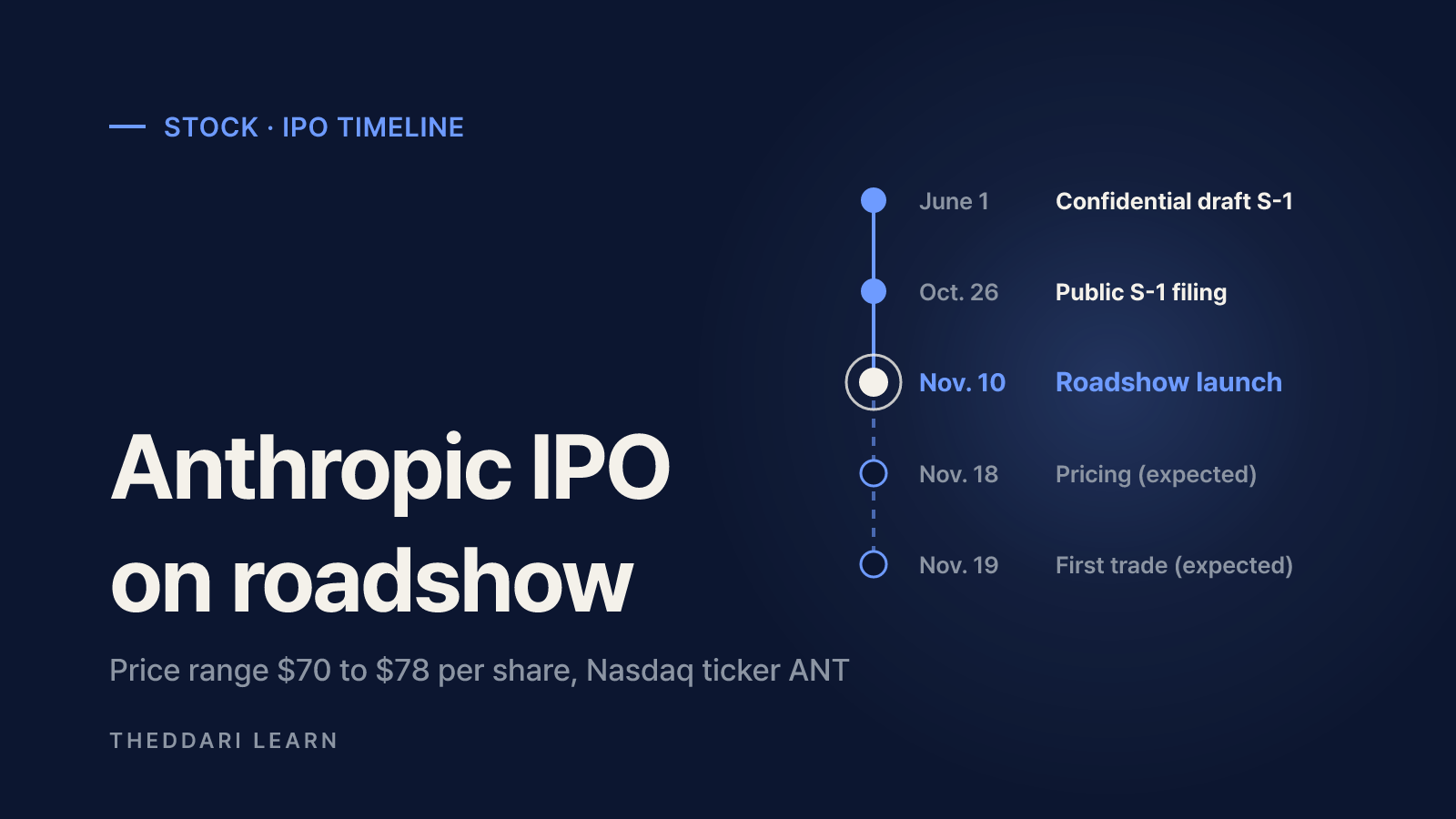
Anthropic launched its IPO roadshow on Nov. 10, 2026. Here is how to verify the process in SEC filings, which S-1 numbers matter, the expected timeline and who can actually buy shares at the offer price.
 Stocks
What Is the VXN? Nasdaq Volatility Index vs the VIX
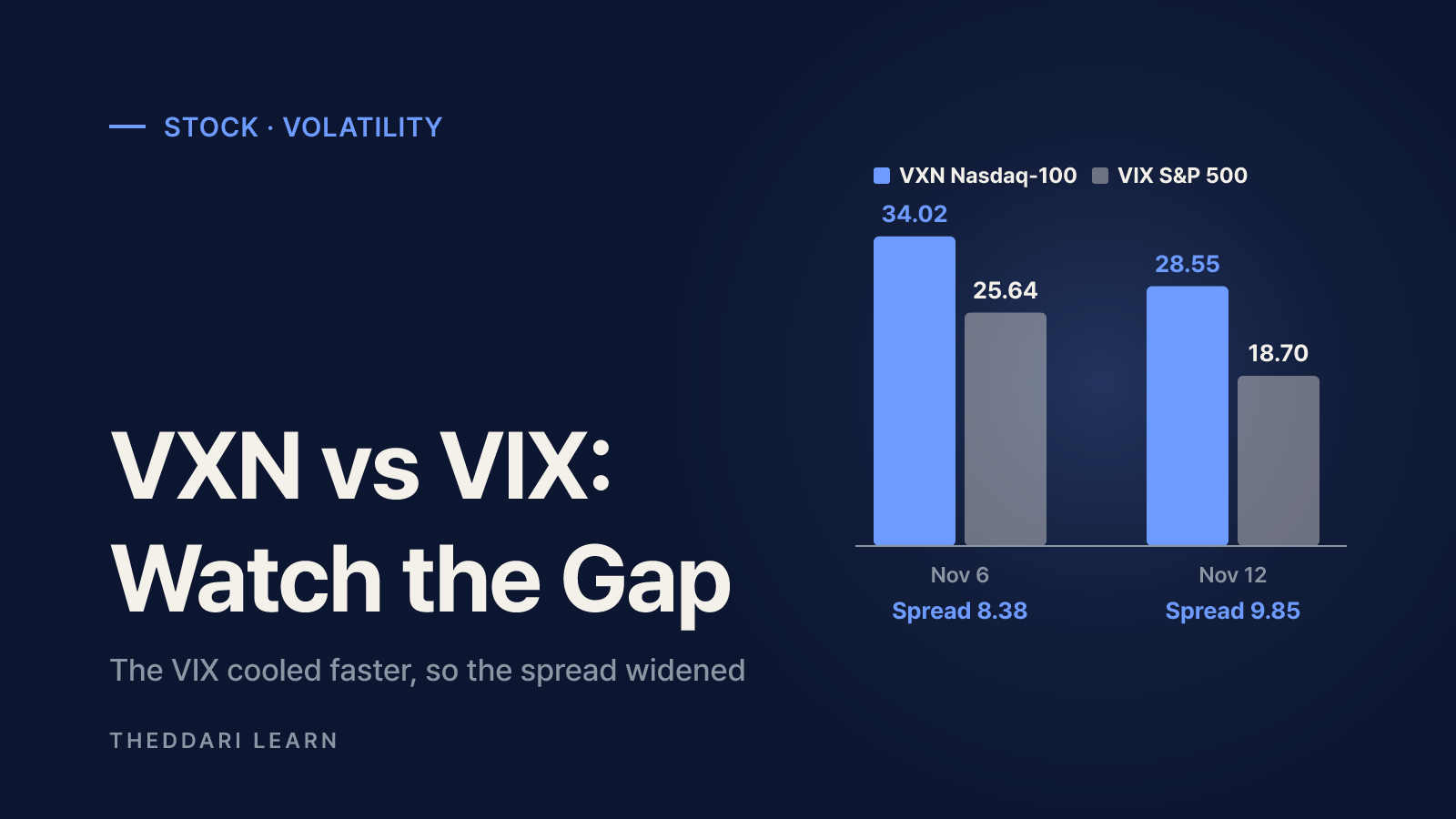
The VXN is the Nasdaq-100's fear gauge; the VIX covers the S&P 500. Using closing data from November 2026, this guide shows how to read the level, the spread and the ratio when both indexes jump.
 Stocks
Nvidia Insider Selling: How to Check It With Form 4 Filings
Reports say Nvidia director Mark Stevens sold roughly $946 million of stock weeks before the Jensen Huang scandal. Here is how to verify insider sales yourself on SEC EDGAR and what a Form 4 can and cannot tell you.