CrowdStrike Zscaler Acquisition: Terms, Risks for Holders
CrowdStrike is buying Zscaler for 1.135 CRWD shares per ZS share, a 34% premium. Terms, synergies, antitrust review and break risks, as of Nov 2026.
Contents7 sections
- CrowdStrike Zscaler acquisition terms at a glance
- What Zscaler (ZS) holders should watch: the spread and the timeline
- What CrowdStrike (CRWD) holders should weigh: dilution vs. synergies
- Regulatory approval and how the deal could break
- Filings to track, in order
- Frequently asked questions
- Sources and references
Key takeaways
- CrowdStrike and Zscaler signed a definitive merger agreement, announced November 23, 2026, approved unanimously by both boards.
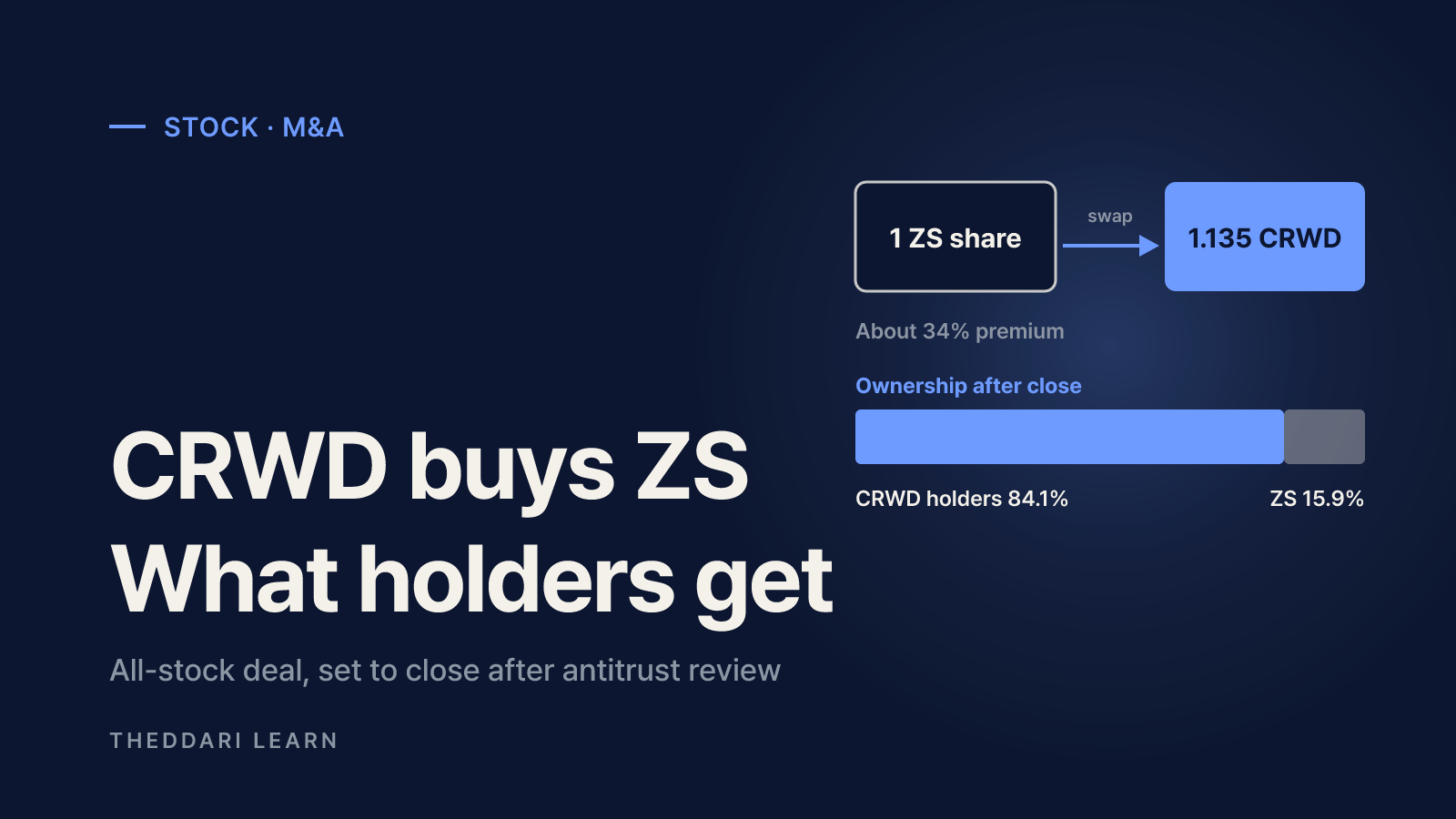
- It is all stock: each ZS share converts into 1.135 CRWD shares, about $260.41 and a roughly 34% premium based on November 20 closing prices.
- Because the ratio is fixed, what ZS holders ultimately receive rises and falls with CRWD's share price.
- After closing, legacy CRWD holders are expected to own about 84.1% of the combined company and ZS holders about 15.9%.
- Closing needs a ZS shareholder majority, HSR antitrust clearance and an effective S-4; the target is the second half of CrowdStrike's fiscal 2028.
- The outside date is November 23, 2027, extending automatically to February 23, 2028 if only antitrust or foreign-investment approvals remain.
The CrowdStrike Zscaler acquisition is a signed deal, not just a headline. On November 23, 2026, the two companies announced a definitive agreement under which CrowdStrike (CRWD) will buy Zscaler (ZS) in an all-stock transaction, swapping each ZS share for 1.135 CRWD shares. This guide uses the press release, CrowdStrike's 8-K and both companies' earnings releases available as of November 24, 2026 to walk through the terms, the promised synergies and the regulatory path that will decide whether and when the deal closes.
CrowdStrike Zscaler acquisition terms at a glance
The numbers below come from the press release and the 8-K merger summary. Dollar figures are pegged to CrowdStrike's closing price on November 20, 2026, so they move every trading day.
Consideration
- What was disclosed
- All stock, no cash component
- Why it matters
- ZS holders become CRWD holders
Exchange ratio
- What was disclosed
- 1.135 CRWD shares per ZS share (fixed)
- Why it matters
- Deal value floats with CRWD
Implied price
- What was disclosed
- About $260.41 per ZS share
- Why it matters
- As of Nov 20; changes daily with CRWD
Premium
- What was disclosed
- About 34% over ZS's Nov 20 close
- Why it matters
- Explains the jump in ZS on announcement day
Size
- What was disclosed
- Enterprise value of about $43.9 billion
- Why it matters
- CrowdStrike's largest deal to date
Pro forma ownership
- What was disclosed
- About 84.1% CRWD holders, 15.9% ZS holders
- Why it matters
- The dilution CRWD holders accept
Expected close
- What was disclosed
- Second half of CrowdStrike fiscal 2028
- Why it matters
- Both firms run independently until then
Why a fixed ratio matters
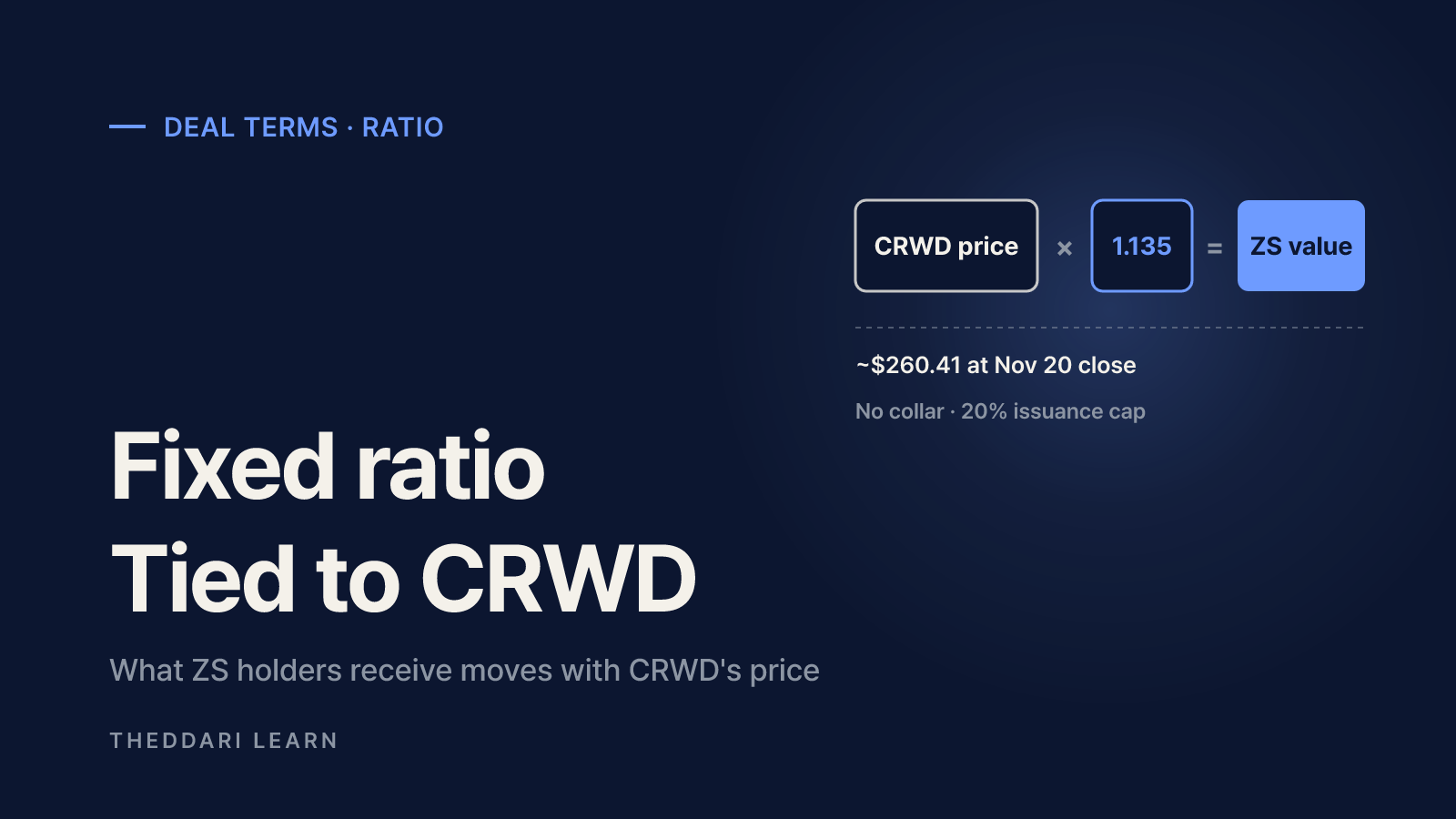
With a fixed ratio, the dollar value a ZS holder ends up with is simply CRWD's price times 1.135. If CRWD were trading at a hypothetical $200, the package would be worth $227; if CRWD slides, so does the payout. There is no price collar. The one adjustment in the 8-K: if issuing the new shares would reach 20% of CRWD's outstanding stock (less one share), the ratio is automatically trimmed to stay under that line. That is unlikely to bite unless CRWD's share count changes materially, but it means the ratio is not untouchable.
Leadership and the vote
Zscaler founder Jay Chaudhry will keep running the Zscaler business after closing and join CrowdStrike's board. Chaudhry and his affiliates, holding roughly 34% of Zscaler's shares, signed voting agreements to support the deal. Since approval needs a majority of outstanding shares, more than a third of the yes votes are effectively locked in already.
What Zscaler (ZS) holders should watch: the spread and the timeline
According to CNBC, ZS rose nearly 18% on November 23 while CRWD fell 9%. From here, ZS tends to trade at CRWD's price times 1.135, minus a discount for the risk the deal breaks and the time it takes to close. That gap is the merger arbitrage spread.
- Spread = (CRWD price × 1.135) − ZS price. A wider gap signals more market worry about delay or failure.
- The spread is pay for taking real risk. If the deal collapses, ZS could fall back toward pre-announcement levels, and a falling CRWD shrinks the payout even if the deal closes.
- Zscaler withdrew its financial guidance and canceled its earnings call, so filings and deal milestones, not company forecasts, will drive the stock.
- Watch for the proxy statement/prospectus with the record date and voting deadline. Holding through a broker often means an earlier voting cutoff.
Zscaler's fiscal Q1 2027 results showed revenue of $949.3 million, up 20% year over year, and ARR of $3.882 billion, up 21%. The business is growing on its own, which cushions a break scenario, but the stock could still give back much of its post-announcement gain. Also look for how the S-4 treats Zscaler's roughly $1.7 billion of convertible senior notes.

What CrowdStrike (CRWD) holders should weigh: dilution vs. synergies
For CRWD holders, the trade is giving up about 15.9% of the combined company to own Zscaler's network security and zero trust business. The 9% drop on announcement day suggests the market priced in dilution and integration risk first. Management's case rests on these targets.
Revenue synergies
- Detail
- About $1 billion annualized run-rate by 30 months after close
- What to verify
- Whether cross-sell shows up in customer counts
Cost synergies
- Detail
- $500 million annualized run-rate within 18–24 months
- What to verify
- Data center and vendor consolidation progress
Combined ARR
- Detail
- More than $10 billion at close, incl. $3.9 billion from ZS
- What to verify
- Whether both growth rates hold during integration
Cross-sell pool
- Detail
- About 8,000 ZS customers not yet on CRWD
- What to verify
- Falcon Flex contract conversions
FCF per share
- Detail
- Immediately accretive before synergies
- What to verify
- Pro forma statements in the S-4
These are management targets, and they may not be met. Revenue synergies require customers to actually bundle both products, and large security integrations can trigger customer churn while sales teams reorganize. Supporting the plan, the companies were already close partners with more than 2,000 shared customers and 16 integrations. CrowdStrike also beat expectations the same day, reporting fiscal third-quarter earnings of 34 cents per share on revenue of $1.58 billion.
Regulatory approval and how the deal could break
The closing conditions in the 8-K show where the deal could stall. For most large mergers, antitrust review is the longest step.
- Antitrust and foreign investment review: the U.S. Hart-Scott-Rodino (HSR) waiting period must expire, plus any other applicable antitrust or foreign direct investment approvals. If regulators demand remedies that count as a burdensome condition, CrowdStrike decides whether to accept them.
- Zscaler shareholder approval: a majority of outstanding shares, with about 34% already committed.
- S-4 effectiveness and Nasdaq listing: the new CRWD shares must be registered with the SEC and approved for listing.
- No material adverse effect on either company since signing.
The outside date is November 23, 2027. It extends automatically to February 23, 2028 if only antitrust or foreign-investment conditions remain, plus up to 60 more days if a U.S. government shutdown pauses HSR review. If Zscaler's board changes its recommendation or Zscaler leaves for a superior proposal, among other specified cases, Zscaler pays a $1.4 billion termination fee.
The companies frame the fit as complementary: CrowdStrike in endpoint, Zscaler in network security and zero trust. Still, CNBC noted their combined market value topped $265 billion as of November 20, close to Palo Alto Networks at $282 billion. Whether U.S. regulators issue a second request, and what other jurisdictions review the deal, will set the real timetable.
Filings to track, in order
- 1
Read the 8-K and merger agreement
Check the ratio-adjustment clause, the termination fee, whether any reverse termination fee exists, and how burdensome conditions are defined.
- 2
Review the S-4 registration statement
Look at pro forma financials, the bankers' fairness opinions, U.S. tax treatment, and how convertible notes and equity awards convert.
- 3
Follow HSR progress
Waiting-period expiry or a second request is usually disclosed in a filing. Delays tend to widen the spread.
- 4
Note the ZS meeting and record date
Confirm your broker's voting deadline, which can come days before the official one.
- 5
Check your account after closing
Verify the CRWD share count, any cash for fractional shares, and your cost basis records.
To see how traders are framing the deal, you can scan stock-focused Telegram channels, but treat those summaries as sentiment and verify every number against the 8-K and S-4.
Bottom line: ZS holders are effectively watching CRWD's price and the odds of closing, while CRWD holders are weighing roughly 15.9% dilution against how fast the synergy targets show up. For both, the antitrust timeline is the biggest swing factor, and the filings, not headlines, are the reliable source for deal terms.
Frequently asked questions
When do my Zscaler shares turn into CrowdStrike shares?
Do CrowdStrike shareholders get to vote on the Zscaler deal?
What happens if the CrowdStrike–Zscaler deal falls apart?
Is the stock-for-stock exchange taxable?
Sources and references
- 1CrowdStrike to Acquire Zscaler (CrowdStrike press release, Nov 23, 2026)(opens in a new tab)www.crowdstrike.com
- 2CrowdStrike Holdings Form 8-K: Agreement and Plan of Merger (Nov 23, 2026)(opens in a new tab)ir.crowdstrike.com
- 3Zscaler Announces First Quarter Fiscal Year 2027 Financial Results(opens in a new tab)ir.zscaler.com
- 4CNBC: CrowdStrike to buy Zscaler in $44B deal(opens in a new tab)www.cnbc.com
Related articles
 Stocks
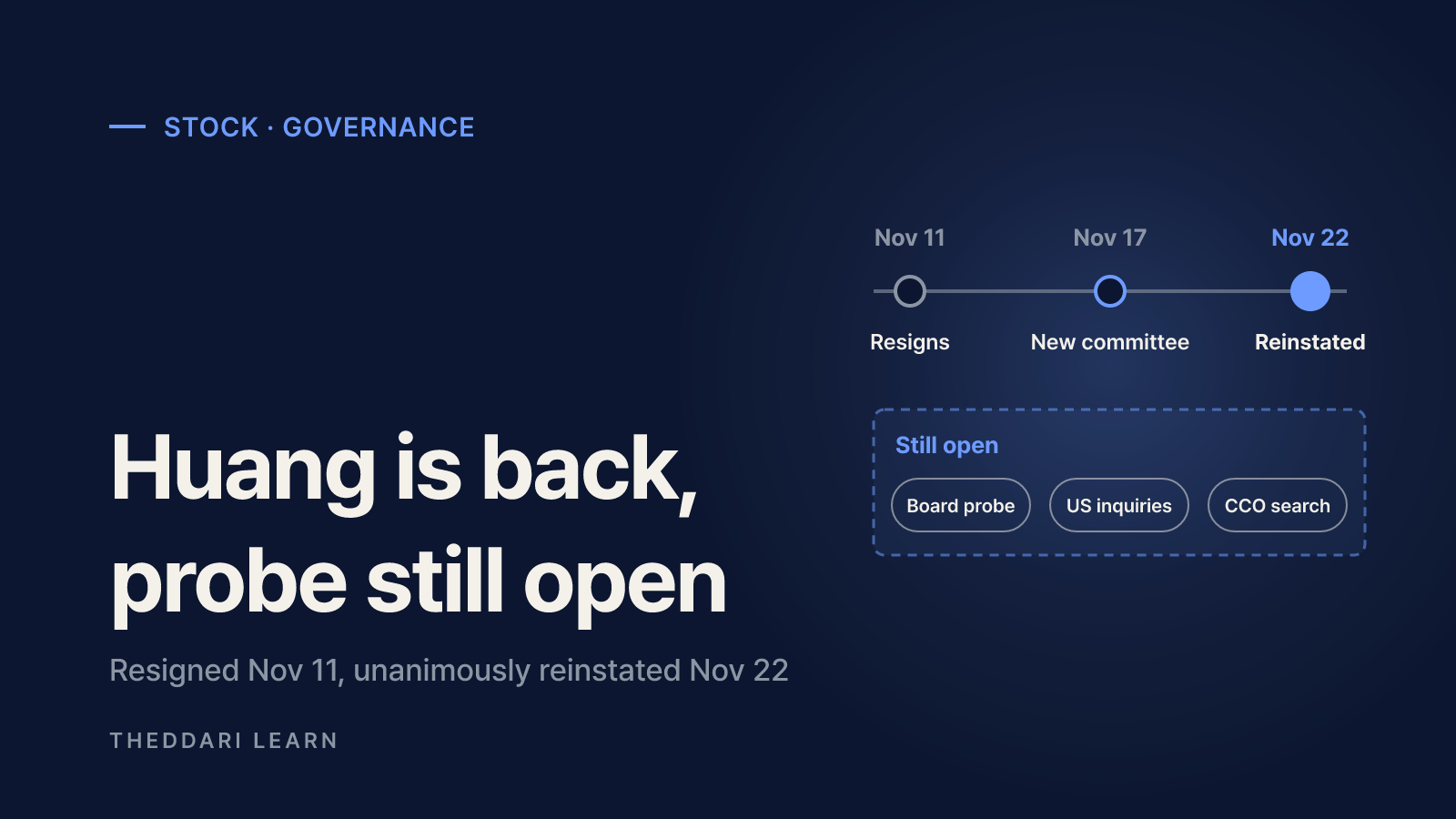
Jensen Huang Reinstated as Nvidia CEO: What to Check Now
Nvidia's board unanimously brought Jensen Huang back as president, CEO and director 11 days after accepting his resignation. Here is what the filings say, what they leave out, and what NVDA shareholders should watch next.
 Stocks
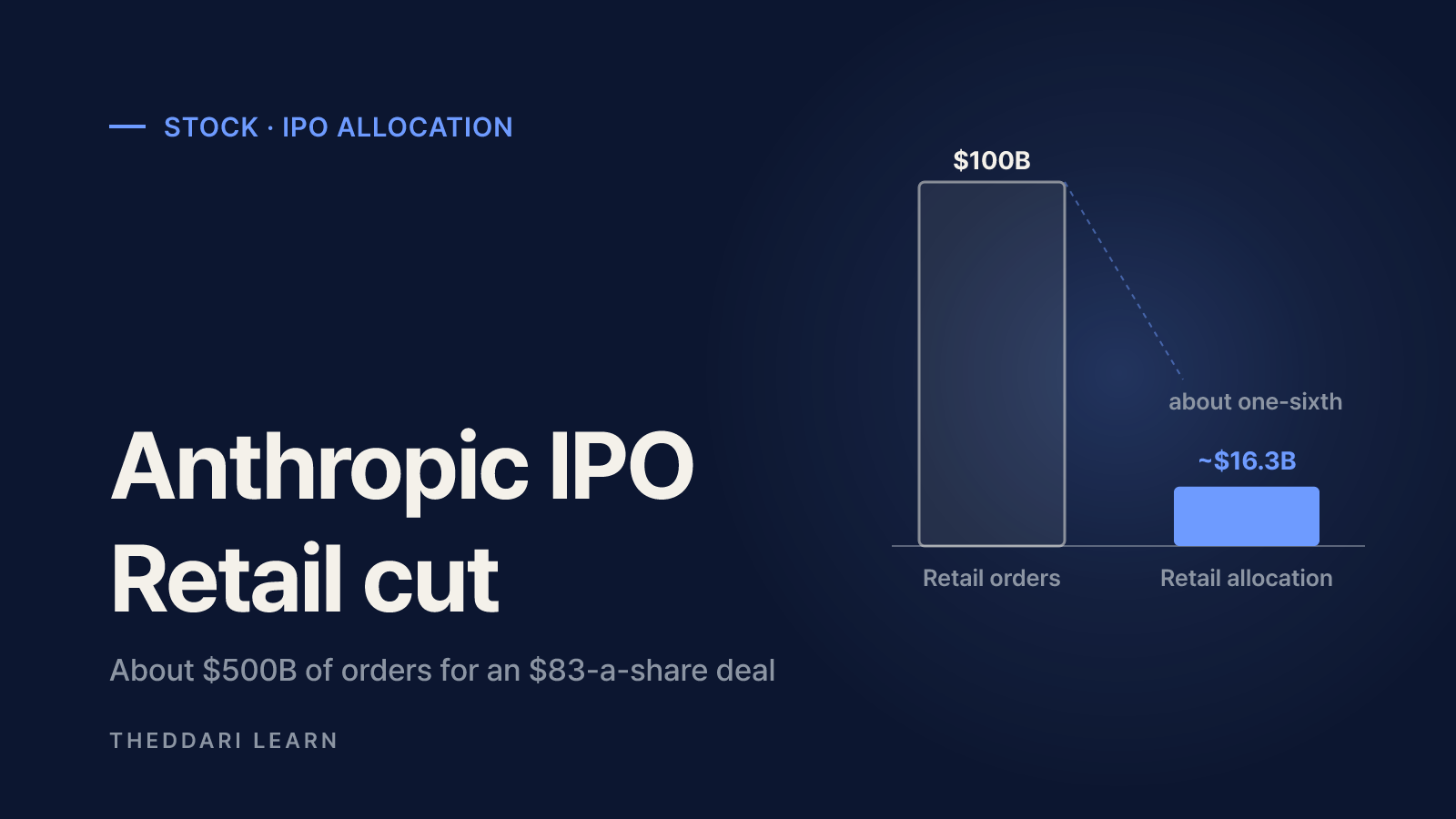
Anthropic IPO Oversubscribed: Who Got Shares and Day One
The Anthropic IPO was about six times oversubscribed. Here is what that number actually meant, why most retail investors got few or no shares at the $83 offer price, and how to read first-day volatility, as of November 23, 2026.
 Stocks
IonQ vs Rigetti: Quantum Tech, Earnings and Cash-Burn Risks
IONQ and RGTI often trade as one quantum theme, but their qubit technology, revenue scale and cash burn differ sharply. Here is what the Q3 2026 filings actually show.