Anthropic IPO Price Broken at $83: What to Check Next
Anthropic (ANT) closed at $81.91 on Nov. 24, 2026, below its $83 IPO price. Why new listings break issue and which filings, lockups and dates to check.
Contents7 sections
Key takeaways
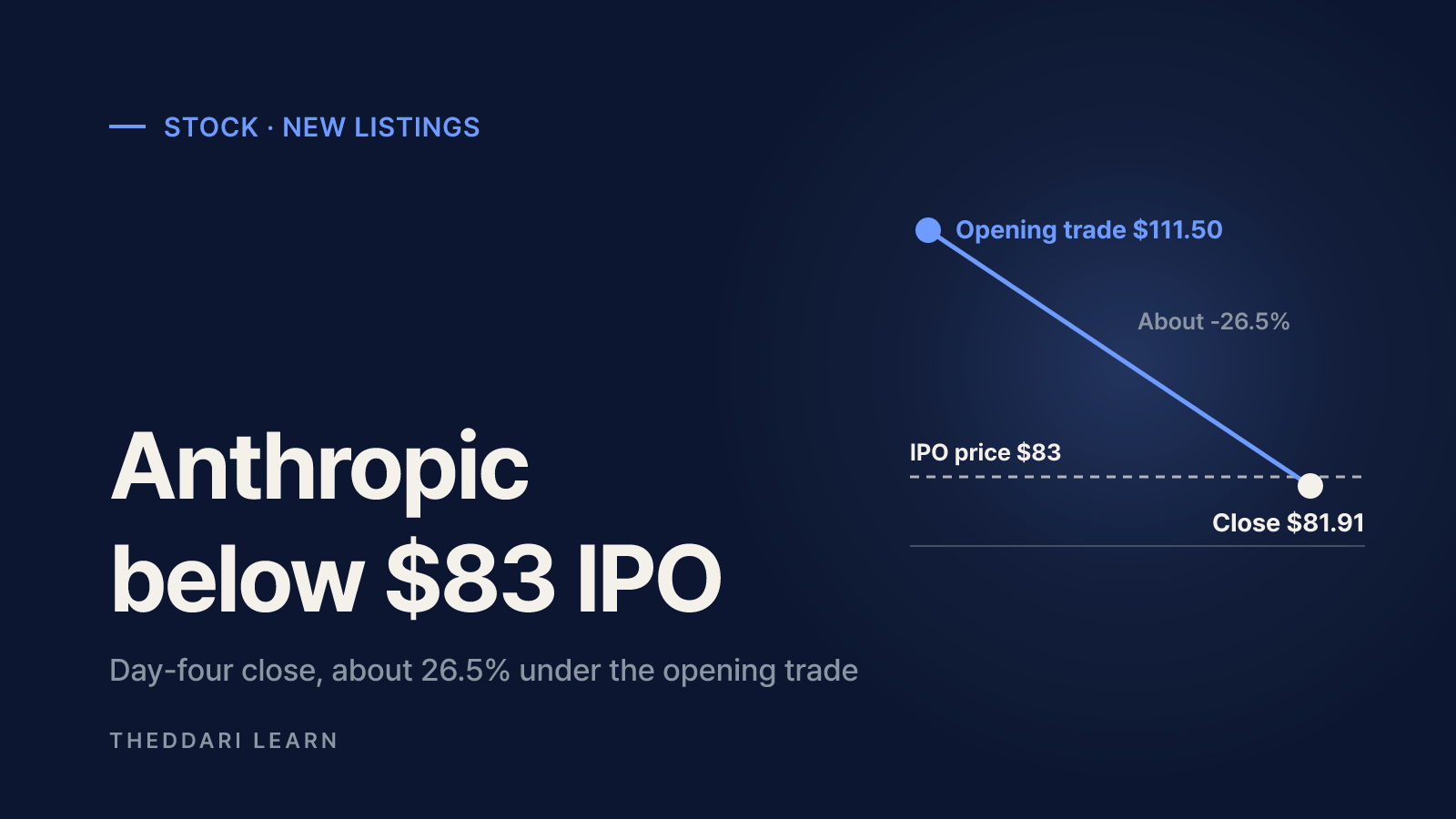
- Anthropic (Nasdaq: ANT) fell 6.5% to close at $81.91 on Tuesday, Nov. 24, 2026, its first close below the $83 IPO price.
- That is about 1.3% under the offer price and roughly 26.5% below the $111.50 opening trade on Nov. 19.
- The SEC describes an offer price as a negotiated estimate, and says early closes well above or below it are not uncommon.
- Underwriters may support a new issue in its first days of trading; the SEC warns the price can drop significantly once that support ends.
- Check the final prospectus (424B4), the Underwriting and Shares Eligible for Future Sale sections, Form 4 and 8-K filings, and the first earnings date.
Yes, the Anthropic IPO price has been broken. According to Bloomberg Law, Anthropic (Nasdaq: ANT) fell 6.5% to close at $81.91 on Tuesday, Nov. 24, 2026, the first time it finished a session below its $83 offer price, in only its fourth day of trading. A broken IPO is not a verdict on the business. It does tell you the market is repricing first-day enthusiasm, so the useful questions are how the offer price was set, how much underwriter support is left, how many locked-up shares are still coming, and how much of the drop is simply the AI sector selling off.
This guide uses reporting and U.S. Securities and Exchange Commission (SEC) investor guidance checked on Nov. 25, 2026. It applies to U.S.-listed IPOs; quotes and filings change quickly, so confirm current data with your broker and on SEC EDGAR before acting.
The Anthropic IPO price break in numbers
CNBC reported that Anthropic raised $81.3 billion at $83 a share in the largest offering on record, then opened at $111.50 on the Nasdaq on Thursday, Nov. 19. The stock drifted lower over the following sessions, slipped under the offer price in premarket trading on Nov. 24, and then closed below it in the regular session.
IPO (offer) price
- Price
- $83.00
- vs. $83 offer
- Baseline
Nasdaq opening trade, Nov. 19
- Price
- $111.50
- vs. $83 offer
- About +34.3%
Premarket low, Nov. 24
- Price
- $81.28
- vs. $83 offer
- About -2.1%
Close, Nov. 24
- Price
- $81.91
- vs. $83 offer
- About -1.3%
From the opening trade to Tuesday's close, the decline is about 26.5% (81.91 / 111.50 − 1). Bloomberg put Anthropic's market capitalization at roughly $1.5 trillion at that close. CNBC noted that chipmakers Nvidia, AMD and Intel and neocloud names such as CoreWeave and Nebius also fell during the session, so part of the move reflects a broader wobble in AI-linked stocks rather than anything specific to Anthropic.
Reported deal sizes can differ depending on whether the underwriters' option to buy extra shares is counted. Confirm the final share count and gross proceeds in the 424B4 prospectus and any later 8-K.
Why new listings fall below their offer price
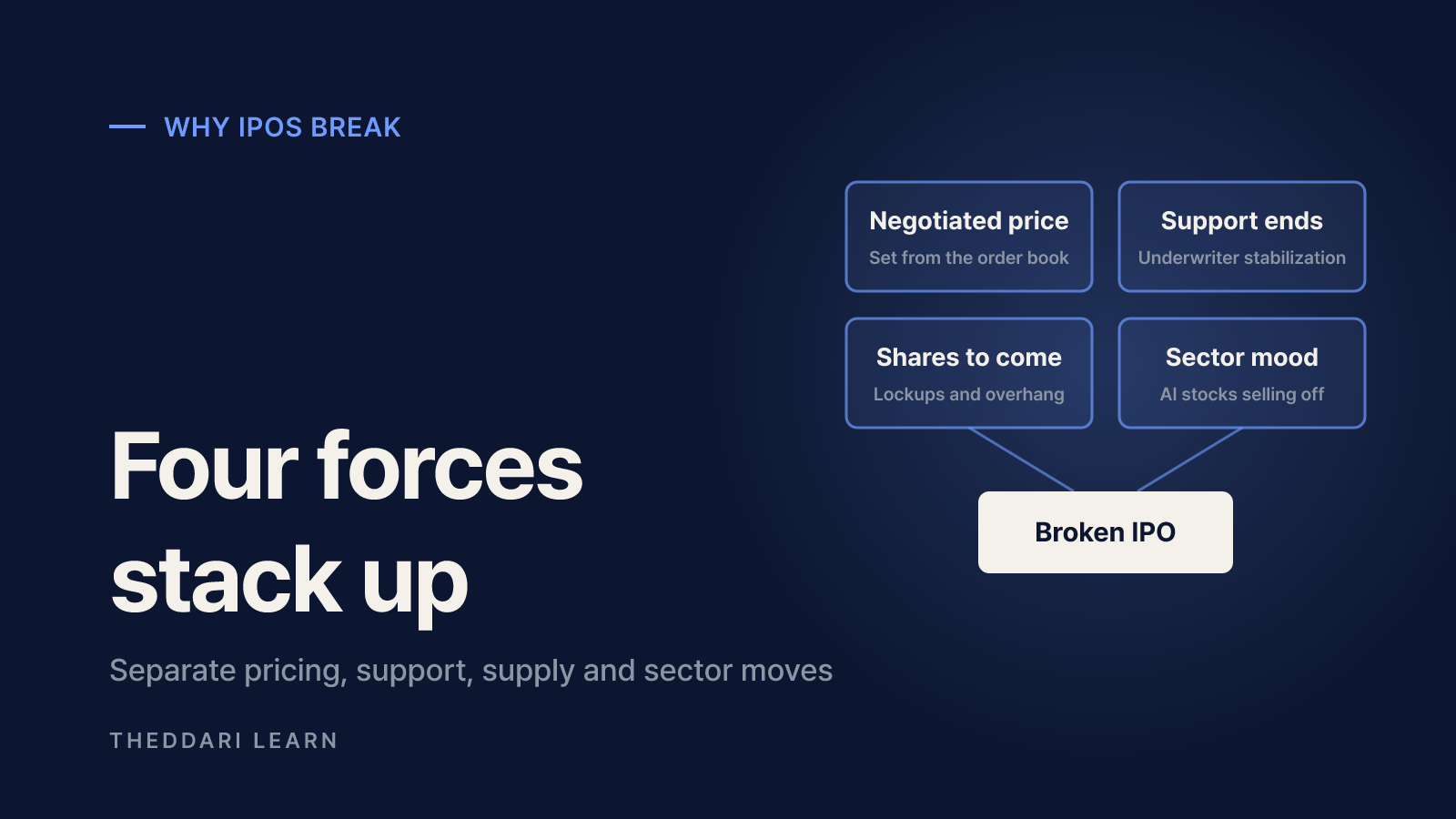
The SEC's IPO investor bulletin lays out the mechanics that explain most broken deals. They fall into four buckets.
The offer price is a negotiated estimate
The SEC says the offer price comes from a mix of market conditions, valuation analysis and negotiation. Issuers want a high price; underwriters, who are usually paid a percentage of the deal, share some of that interest but also need a price their institutional clients will accept. The result reflects the order book, not a fair-value guarantee, and the bulletin states plainly that early closing prices well above or below the offer are not uncommon.
Underwriter support is temporary
Underwriters can support a new issue in its first few days, including by buying shares, to keep it from falling too far below the offer price. The SEC adds that once this support ends, the price may decline significantly. This IPO stabilization is typically funded through an over-allotment, or greenshoe, option described in the prospectus. Whether that option was exercised, and when stabilization ended, shows up in the Underwriting section and later company disclosures.
More shares are waiting
Right after an IPO, mostly the shares sold in the offering trade. Founder, employee and early-investor stock is held back by lockup agreements or resale restrictions, which the SEC calls market overhang. Lockups commonly last 180 days, but terms vary, and when large blocks become sellable at once the price can drop sharply. Markets often start pricing that supply in ahead of the date.
The sector moves the stock
A stock with a few days of history trades heavily on sector mood. Anthropic listed amid worries about how long the AI infrastructure build-out can last. CNBC also reported that roughly half the institutions that ordered shares got no allocation, yet as markets wavered they were not rushing to buy in the open market. Heavy oversubscription does not automatically become aftermarket demand.
A checklist for any new listing below its IPO price
Start with primary filings rather than headlines. Working through them in order separates why the stock fell from what risks are still ahead.
- 1
Pull the final prospectus
Search the company on SEC EDGAR and open the 424B4 (or 424B3). The SEC notes it contains final pricing details missing from the preliminary version. Check total shares sold and how many came from selling shareholders rather than the company.
- 2
Read the Underwriting section
Note the bookrunners, the size of the over-allotment option and the disclosure about stabilizing transactions. A later 8-K or press release on the option tells you how much early support capacity was used.
- 3
Map the lockup calendar
Shares Eligible for Future Sale lists lockup lengths, staged releases, earnings-linked triggers and carve-outs. Put each date on a calendar.
- 4
Track insider and event filings
Executive and large-holder sales appear on Form 4; material events go on Form 8-K. Compare headline numbers with the filing's dates, prices and remaining holdings.
- 5
Line up earnings and macro dates
The first quarterly report is the first set of numbers outside the prospectus. Pair it with rate decisions and inflation data to tell company news from market-wide moves.

Use the earnings calendar above for report dates and the economic calendar below for Fed meetings, jobs and inflation releases. They are scheduling tools and do not predict price direction.
Read analyst targets with context
CNBC reported that Wedbush (outperform, $120 target), Canaccord Genuity (buy, $135) and Oppenheimer (outperform, $150) began coverage around the break. Targets are opinions built on each firm's assumptions. The SEC also flags that research from firms involved in an offering can carry a conflict between balanced analysis and the banking relationship, so read reports alongside the prospectus Risk Factors.
Trading a broken IPO: practical risks
- Extended-hours prices are thin: premarket quotes can diverge from the regular session, as the $81.28 low versus the $81.91 close showed.
- Order type matters: the SEC's order-types bulletin explains that market orders can execute away from the last trade, while limit orders cap your price but may not fill.
- Confirm the ticker: check the exchange, the ANT symbol and the issuer name so you do not buy a look-alike ticker or an unofficial pre-IPO token.
- Currency for non-U.S. investors: returns in your home currency also depend on the dollar exchange rate at the time you convert.
- Verify social chatter: treat sudden posts about a new listing as leads to check against filings and live quotes.
To see which stocks are drawing the most chatter in investor channels, the stock Telegram trends page below tracks mention volume. Mentions measure attention, not value.
What past blockbuster IPOs can and cannot tell you
High-profile listings have slipped below their offer price soon after debut before, and Anthropic will not be the last. But there is no rule that later performance repeats: sector, interest rates, float size and growth all differ. Rather than focusing on the break itself, compare the measurable items below.
Final price and share count
- Where
- 424B4 prospectus
- Why it matters
- Baseline and tradable supply
Over-allotment and stabilization
- Where
- Underwriting section, 8-K
- Why it matters
- How much early support existed
Lockup terms
- Where
- Shares Eligible for Future Sale
- Why it matters
- Future selling pressure
Insider sales
- Where
- Form 4
- Why it matters
- Management and major holders
First earnings
- Where
- Earnings release, 10-Q
- Why it matters
- First numbers after the prospectus
Sector backdrop
- Where
- Rates and AI peer moves
- Why it matters
- Company news vs. market moves
In short, Anthropic's slide under $83 looks like a combination of a negotiated offer price, fading early support, supply still to come and a weak AI tape. Which factor dominates will become clearer from the filings and the first earnings report, so work through the table above before drawing conclusions from a single price.
Frequently asked questions
Does breaking the IPO price mean the IPO failed?
Why don't the underwriters just keep the stock above $83?
When does Anthropic's IPO lockup expire?
Should I trust the premarket price for a new listing?
Sources and references
- 1CNBC — Anthropic stock sinks below $83 IPO price (Nov. 24, 2026)(opens in a new tab)www.cnbc.com
- 2Bloomberg Law — Anthropic Shares Plunge Below IPO Price in Fourth Trading Day (Nov. 24, 2026)(opens in a new tab)news.bloomberglaw.com
- 3Investor.gov (SEC) — Updated Investor Bulletin: Investing in an IPO(opens in a new tab)www.investor.gov
- 4Investor.gov (SEC) — Understanding Order Types(opens in a new tab)www.investor.gov
Related articles
 Stocks
Anthropic IPO Demand: Does Oversubscription Mean Gains?
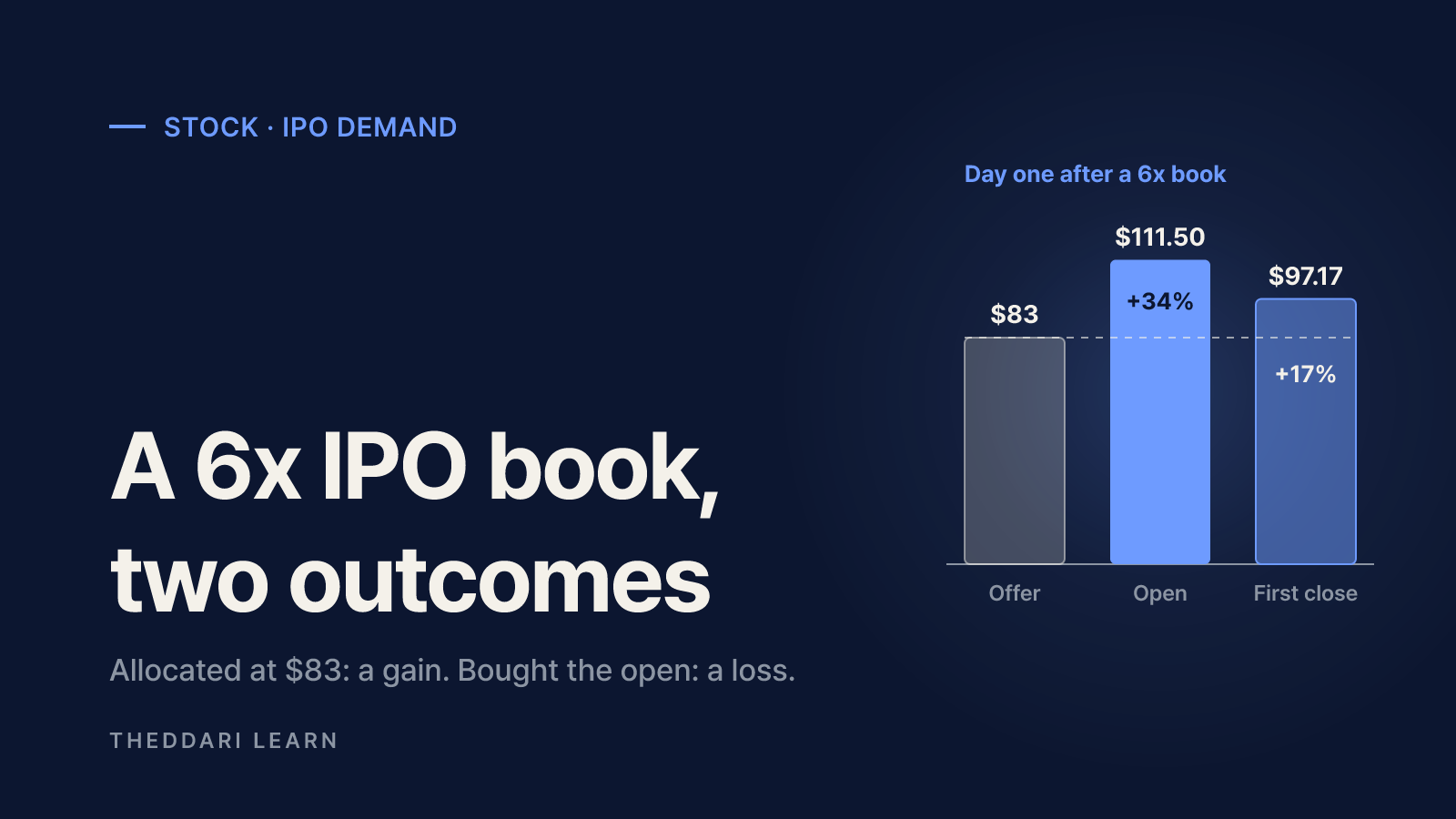
A 6x order book does not promise a rising stock. Using Anthropic's actual listing numbers, here is how to read oversubscription, price revisions, the opening trade and the supply calendar.
 Stocks
What Is ANTH.PVT on Yahoo Finance? Private Prices Explained
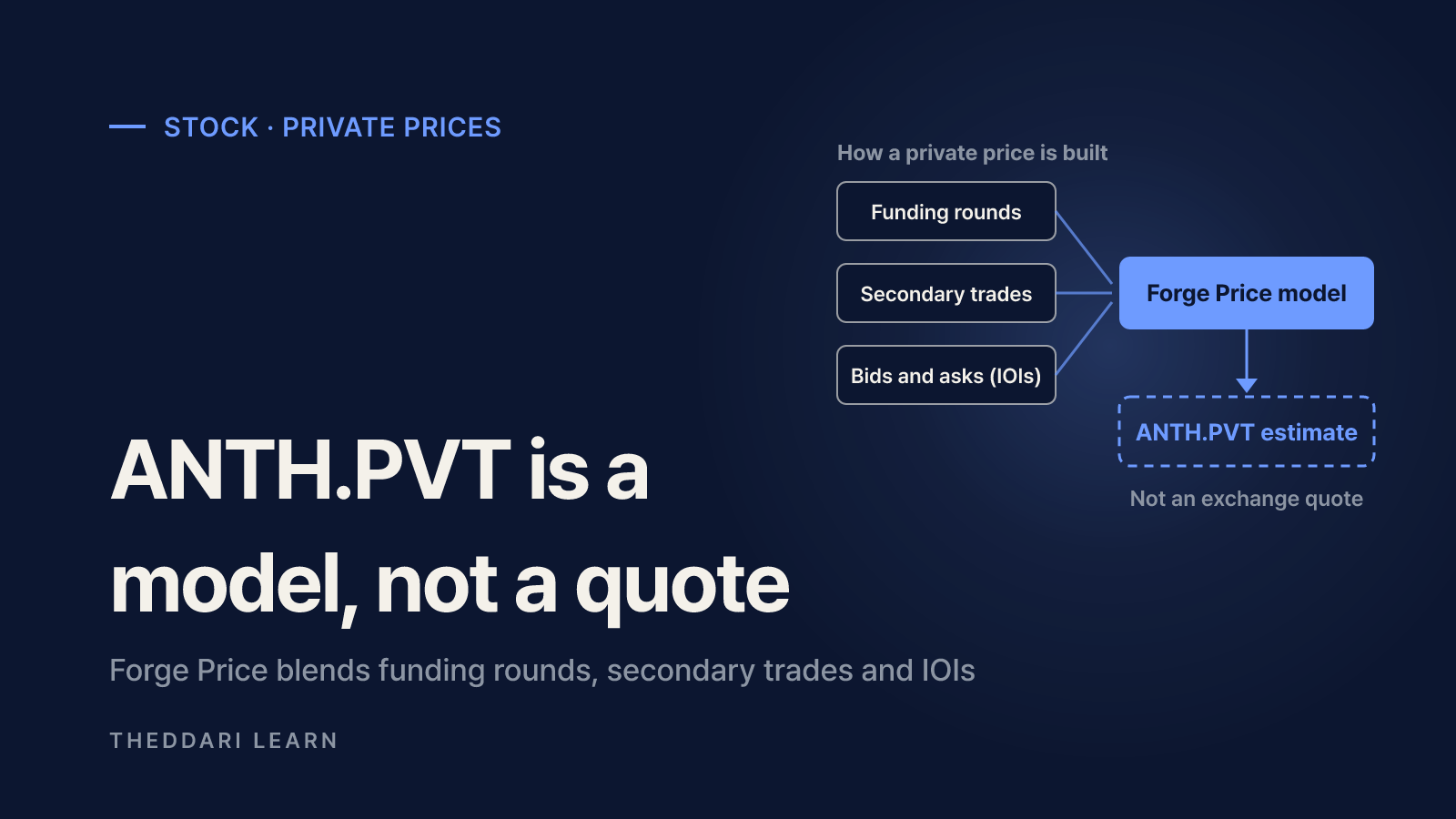
ANTH.PVT is not a stock you can trade. It was Yahoo Finance's model-based price for Anthropic while the company was private. Here is how Forge Price works, why it can mislead, and what changed after Anthropic listed as ANT.
 Stocks
CrowdStrike Zscaler Acquisition: Terms, Risks for Holders
It is a signed merger agreement, not a rumor. Here is how the CrowdStrike–Zscaler all-stock deal announced on November 23, 2026 works, what CRWD and ZS shareholders should check, and where the deal could stall or break.