Korea Dividend Policy: What the President's Push Changes
Did Korea's president order listed firms to pay more dividends? What was said, what is only under review, and the dividend tax break already in force.
Contents7 sections
Key takeaways
- As of November 20, 2026, no law or exchange rule forces Korean listed companies to raise dividends. The quote in the viral video title could not be matched to an official record.
- The verified remarks are a May 26, 2026 cabinet instruction that a strong market must flow back to investors as dividends, and November 13 comments on fair treatment of minority shareholders.
- Since January 1, 2026, qualifying dividends can be taxed separately at 14% to 30%, but Korean residents must opt in when filing their May tax return.
- Revised KOSPI governance-report guidelines will require more dividend and buyback disclosure from reports filed in 2027.
Short answer: as of November 20, 2026, Korea dividend policy has not turned into a payout mandate. A widely shared Korean YouTube clip claims President Lee Jae-myung 'drew the sword' on stock dividends, but what can be verified is narrower. The president has repeatedly urged listed companies to return more to shareholders and has ordered a capital market reform body. The concrete changes already in force are a temporary dividend tax break and stronger disclosure rules. For anyone holding Korean dividend stocks on the KOSPI or KOSDAQ, the useful move is to separate remarks, proposals under review, and rules that actually apply.
This guide covers Korean listed shares and, for tax, Korean tax residents. Statements are taken from the presidential office's own briefings and major Korean news reports; tax details come from the statute and a law-firm summary of the draft decree. Sources are in Korean, and amounts are in Korean won (KRW).
What the president actually said about dividends
The viral clip's headline quotes him as saying people only hear that 'money was siphoned off'. That exact sentence did not appear in the official briefings and news reports reviewed for this guide, so it is safer to rely on what is on the record.
- May 26, 2026, cabinet meeting. According to the presidential office briefing, he said in a closed session that a revived stock market only becomes durable if gains flow back to investors as dividends, and ordered thorough measures to normalize the market. No numeric target or bill was announced.
- November 13, 2026, capital market policy meeting at the Korea Exchange. Yonhap reported that he named trust as the core issue, citing investor doubts about whether managers treat shareholders fairly and whether companies use duplicate listings of subsidiaries to pull capital away from existing shareholders. He also mentioned suspicion that some undervalued companies keep share prices low to cut inheritance tax.
- Follow-up orders at the same meeting. Asia Economy reported that he ordered a high-level body dedicated to capital market reform, pushed the exchange to require at least one investor relations event a year from KOSDAQ companies, and asked officials to review listing rules for companies whose controlling holders own more than half of the shares.
Read together, the message is about fairness between controlling families and minority shareholders, the long-running 'Korea discount', rather than an order to pay a set percentage of profits. The 'siphoned off' framing in the video looks like a dramatized summary of the duplicate-listing remark.
Korea dividend policy: in force, announced, or only under review
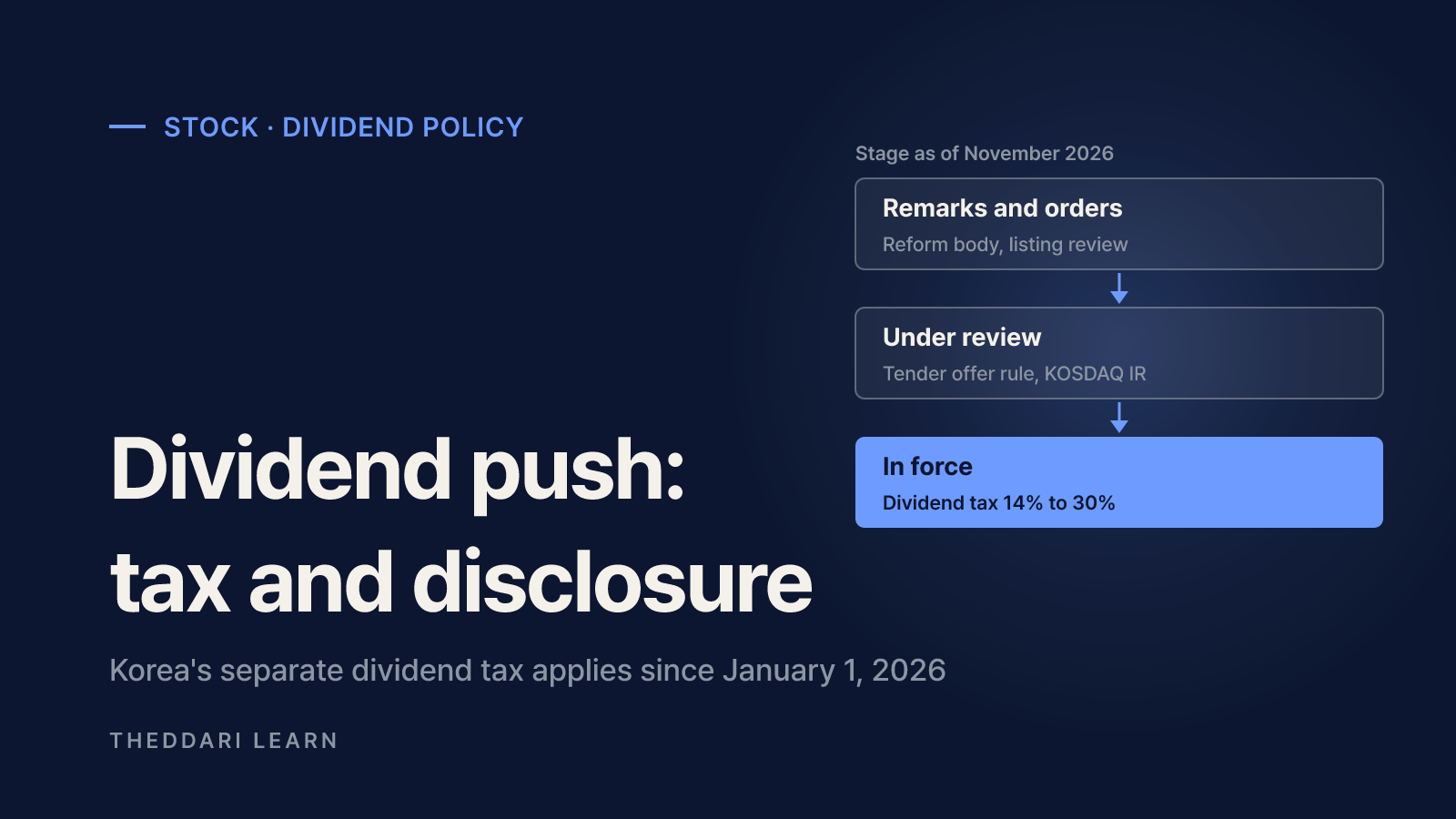
Korean policy headlines often mix rules that already apply with ideas that have only been floated. The table sorts the items by stage as of November 2026.
High-dividend separate taxation
- Stage (Nov 2026)
- In force for dividends paid from Jan 1, 2026
- Why dividend investors care
- Qualifying dividends can be taxed at 14% to 30% on request
Governance report guideline revision
- Stage (Nov 2026)
- Announced; applies to reports filed in 2027
- Why dividend investors care
- More dividend timing and 3-year buyback disclosure
Mandatory tender offer (50% plus one share)
- Stage (Nov 2026)
- Passed the National Assembly judiciary committee in Sept 2026
- Why dividend investors care
- Gives minority holders an exit when control changes
Annual IR requirement for KOSDAQ firms
- Stage (Nov 2026)
- Under exchange review
- Why dividend investors care
- Better access to company information
Listing review for very high controlling stakes
- Stage (Nov 2026)
- Review ordered
- Why dividend investors care
- Delisting risk; rules not yet drafted
Capital market reform body
- Stage (Nov 2026)
- Ordered
- Why dividend investors care
- Starting point for future bills
Only the first two items affect dividend income directly. Even under strong political pressure, a Korean company can raise its dividend only through a board decision and shareholder approval, within distributable profits. That is why the policy toolkit leans on incentives and transparency rather than compulsion.
More disclosure from 2027
The Financial Services Commission says all KOSPI-listed companies, 826 as of end-October 2026, now file a corporate governance report on a comply-or-explain basis. The revised guidelines ask companies to state whether they disclosed year-end dividend plans and amounts six weeks before the shareholders' meeting, the deadline for shareholder proposals, and to report treasury share purchases, cancellations, and holdings for the last three years.
The dividend tax break Korean residents can use now
The most concrete incentive is Article 104-27 of the Restriction of Special Taxation Act. Normally, when a Korean resident's interest and dividend income exceeds KRW 20 million a year, it is added to other income and taxed at progressive rates. Dividends from a qualifying high-dividend company can instead be taxed separately, if the investor asks. The break covers dividends arising through the fiscal year that includes December 31, 2028.
Which companies qualify
- Listed on KOSPI or KOSDAQ at fiscal year-end (KONEX and investment companies excluded).
- Prior-year dividends not lower than in the fiscal year that included 2024.
- Prior-year payout ratio of at least 40%, or at least 25% with dividends up 10% or more on the year before.
- According to Bae, Kim & Lee, the draft decree counts cash dividends only and measures the payout ratio on consolidated net income attributable to owners of the parent.
| Qualifying dividends per year | Rate (local tax extra) |
|---|---|
| Up to KRW 20 million | 14% |
| KRW 20 million to 300 million | 20% |
| KRW 300 million to 5 billion | 25% |
| Above KRW 5 billion | 30% |
Rates apply only to the slice inside each band. KRW 30 million of qualifying dividends would carry KRW 2.8 million on the first 20 million plus KRW 2 million on the next 10 million, or KRW 4.8 million before the 10% local income tax. For an investor whose wages already sit in a high bracket, that can be meaningfully lower than combined taxation.
The break is opt-in. Korean residents must request separate taxation in the May income tax return for the year the dividend was received. Qualification is re-tested every year on prior-year results, so a company that qualifies now may not qualify next year. Non-residents should look to withholding and treaty rates instead.
Risks for Korean dividend stocks
- Priced-in expectations. Political comments can lift dividend names quickly, while actual payout decisions usually come months later at year-end board and shareholder meetings.
- Sustainability. A higher payout without higher earnings drains cash. Check operating cash flow and capital spending, not just the payout ratio.
- One-off specials. A large special dividend may not repeat, and a cut can knock a company out of the tax break the following year.
- Sunset date. The separate taxation currently ends with fiscal 2028 dividends; an extension has not been decided.
- Listing-rule changes. Tighter rules for companies with dominant controlling stakes could lead some to delist voluntarily, which can leave minority holders with fewer exit options.
What to check before acting
- 1
Look for the high-dividend filing
Qualifying companies must disclose that they meet the requirements by the day after the shareholders' meeting approves the dividend. Search the company on KIND or DART.
- 2
Read the dividend decision
Note the dividend per share, record date, and payment date. Many Korean companies now set the dividend first and the record date later, so confirm you hold shares on the record date.
- 3
Check governance and cash flow
Review the governance report, buyback history, and free cash flow before assuming a higher payout will last.
Year-end dividend decisions often land alongside earnings releases, so keeping an eye on reporting dates helps you catch them.

To see how policy rumors spread among Korean retail investors before official documents appear, the stock Telegram trend board is a useful early signal. Verify anything there against the original filing.
Bottom line: the direction of Korea dividend policy is clearly toward higher shareholder returns, but as of November 20, 2026 the parts that touch your account are the opt-in tax break and better disclosure. Treat listing-rule and tender-offer changes as pending until the final rules are published.
Frequently asked questions
Are Korean companies now required to pay higher dividends?
Who benefits from Korea's high-dividend separate taxation?
Does the tax break apply to foreign investors or ETFs?
Will companies with very high controlling stakes be delisted?
Sources and references
- 1Yonhap News: President says capital market reform faces a test (Nov 13, 2026, Korean)(opens in a new tab)www.yna.co.kr
- 2Asia Economy: President orders dedicated capital market reform body (Nov 13, 2026, Korean)(opens in a new tab)www.asiae.co.kr
- 3Office of the President: Cabinet meeting written briefing (May 26, 2026, Korean)(opens in a new tab)www.president.go.kr
- 4Financial Services Commission: Revised corporate governance report guidelines (Nov 5, 2026, Korean)(opens in a new tab)www.fsc.go.kr
- 5Korea Law Information Center: Restriction of Special Taxation Act Article 104-27 (Korean)(opens in a new tab)law.go.kr
- 6Bae, Kim & Lee: 2025 financial tax reform summary (Jan 26, 2026, Korean)(opens in a new tab)www.bkl.co.kr
Related articles
 Stocks
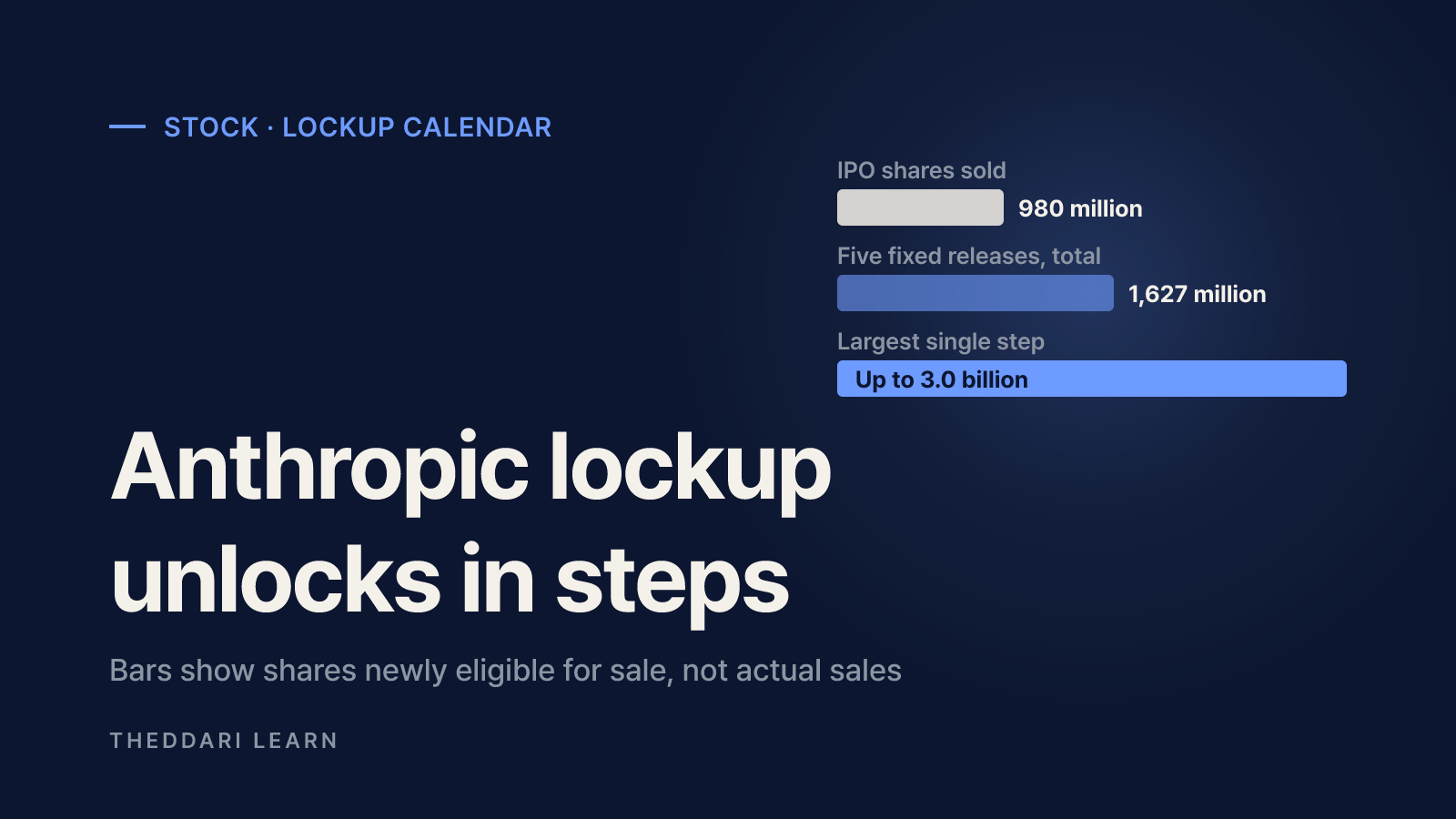
Anthropic IPO Lockup Expiration Dates and ANT Price Impact
There is no single Anthropic lockup expiration date. Insider shares unlock in 23 steps, some on fixed dates and the largest ones tied to earnings. Here is the calendar, where to verify it, and how to think about price impact.
 Stocks
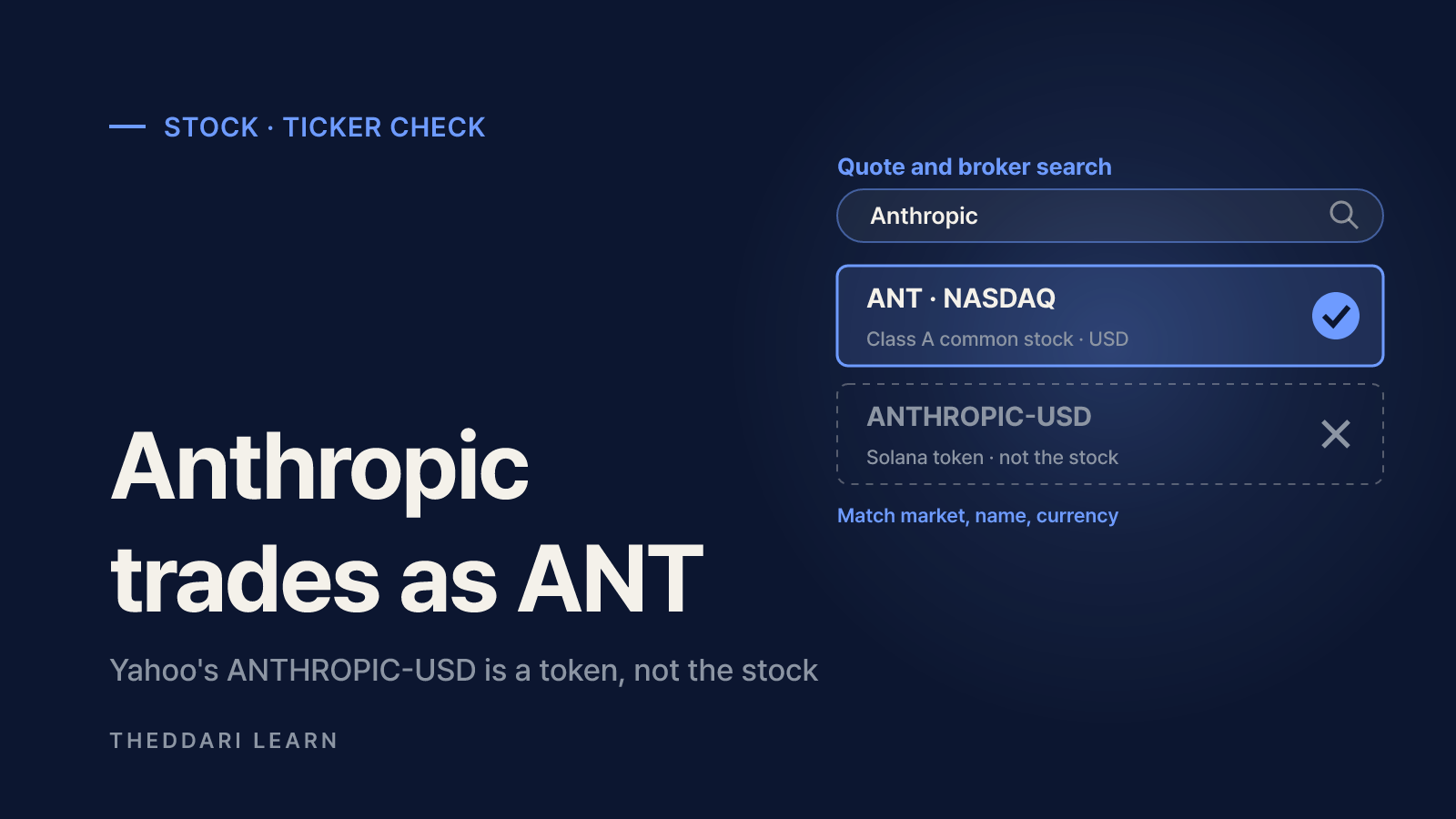
Anthropic Ticker ANT: How to Verify a New IPO Symbol
Anthropic, PBC Class A common stock began trading on the Nasdaq Global Select Market under ANT on November 19, 2026. The ANTHROPIC-USD quote on Yahoo Finance is a token, not the stock. Here is how to confirm a new listing's symbol before you place an order.
 Stocks
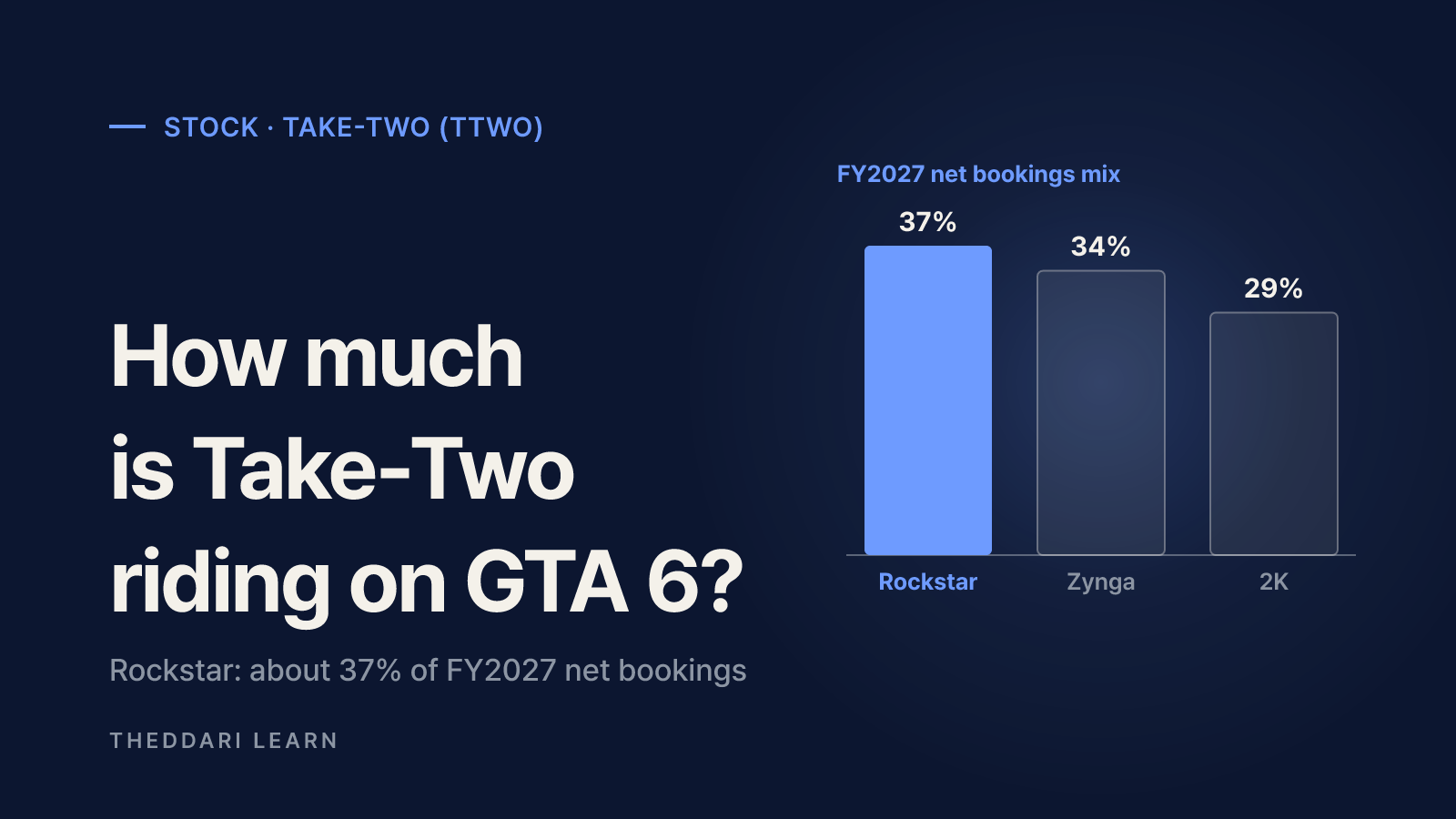
How Much Does GTA 6 Drive Take-Two Stock? Guidance to Watch
As GTA 6 arrives on November 19, 2026, here is how much of Take-Two's outlook rests on Rockstar, how TTWO reacted to past delays, and the post-launch numbers that matter.