How to Vet a Bitcoin Price Forecast: Data, Sources, Bias
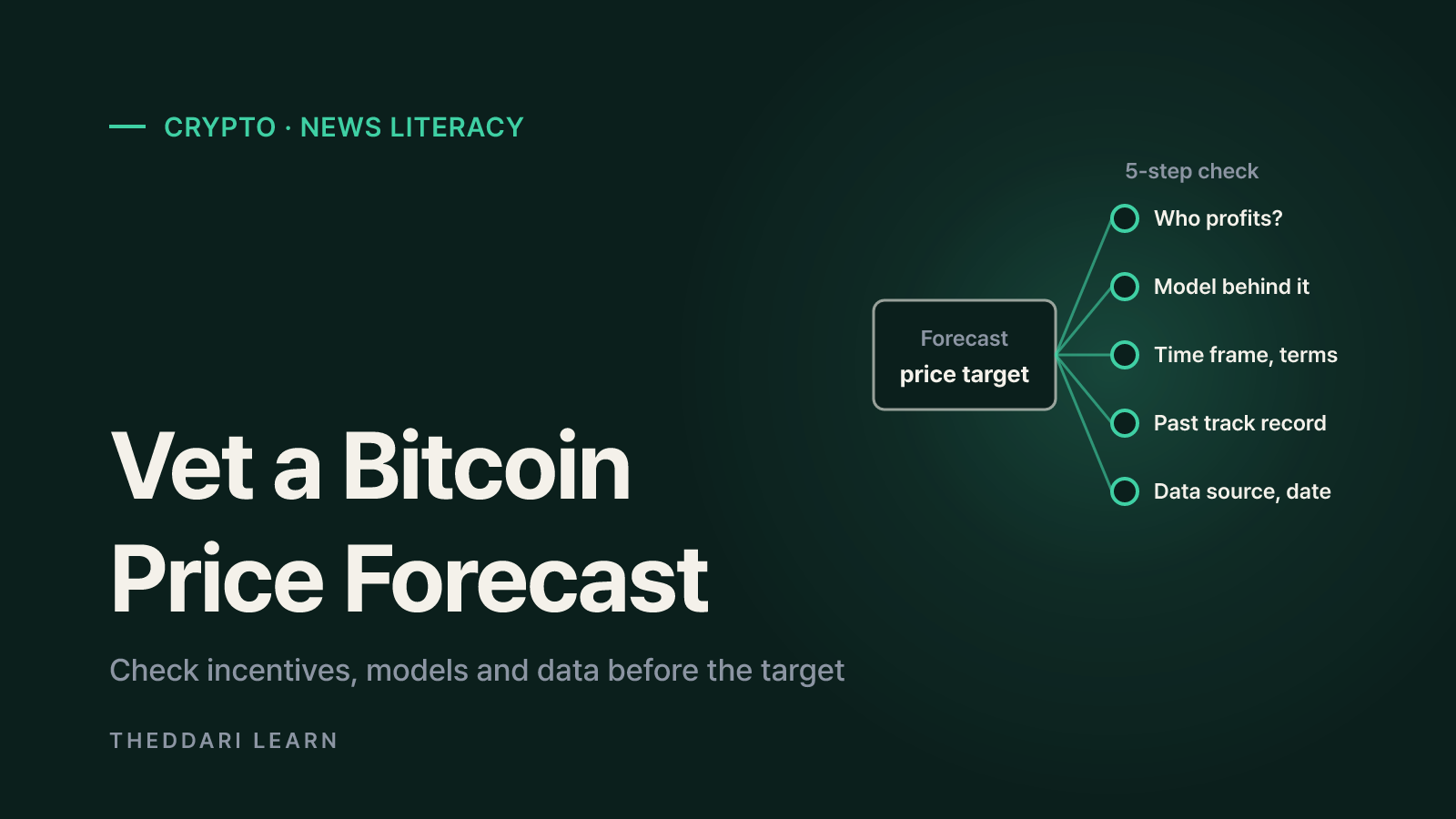
A 5-step checklist for any bitcoin price forecast: who made it, what model and data back it, the time frame, past accuracy and paid promotion.
目次8セクション
要点
- A bitcoin price target means little until you know who made it, what it is based on, the time frame, and the conditions attached.
- Fund managers, exchanges and influencers can earn more when prices rise or sign-ups grow, so their incentives belong in your analysis.
- The SEC fined a celebrity in 2022 for promoting a crypto token without disclosing a $250,000 payment, and warns that celebrity endorsements are often paid.
- The SEC chair said the January 2024 approval of spot bitcoin ETPs did not approve or endorse bitcoin itself.
- ETF flow, on-chain and price-gap figures are only useful when you can trace the source, date and scope.
To judge a bitcoin price forecast, look past the target and ask four questions: who made it, what evidence supports it, over what time frame, and under which conditions. A year-end target from a firm that runs a bitcoin fund carries different weight from a base case written by someone with nothing to gain. This guide, written as of October 2026, turns guidance from the US Securities and Exchange Commission (SEC) and South Korea's Financial Services Commission (FSC) into a practical checklist for reading bitcoin outlook news. It does not predict any price.
Why bitcoin outlook news needs a filter
Bitcoin trades around the clock and moves sharply, so there is a constant supply of stories about the next price level. Many of them put a number in the headline and leave out the parts that matter: who benefits if readers believe it, which model produced it, and what has to happen for it to come true.
Regulators have flagged the same problem. In a March 2023 investor alert, the SEC's Office of Investor Education and Advocacy called crypto investments exceptionally volatile and speculative and said it is never a good idea to invest just because someone famous recommends it, adding that celebrities are often paid to promote. Korea's FSC has made a similar point about structure: crypto assets list on many exchanges at once, trade 24 hours a day and lack the kind of disclosure a securities registration provides. When formal disclosure is thin, articles, reports and social posts fill the gap, so the motives of the people producing them matter more.
A 5-step checklist for any bitcoin price forecast
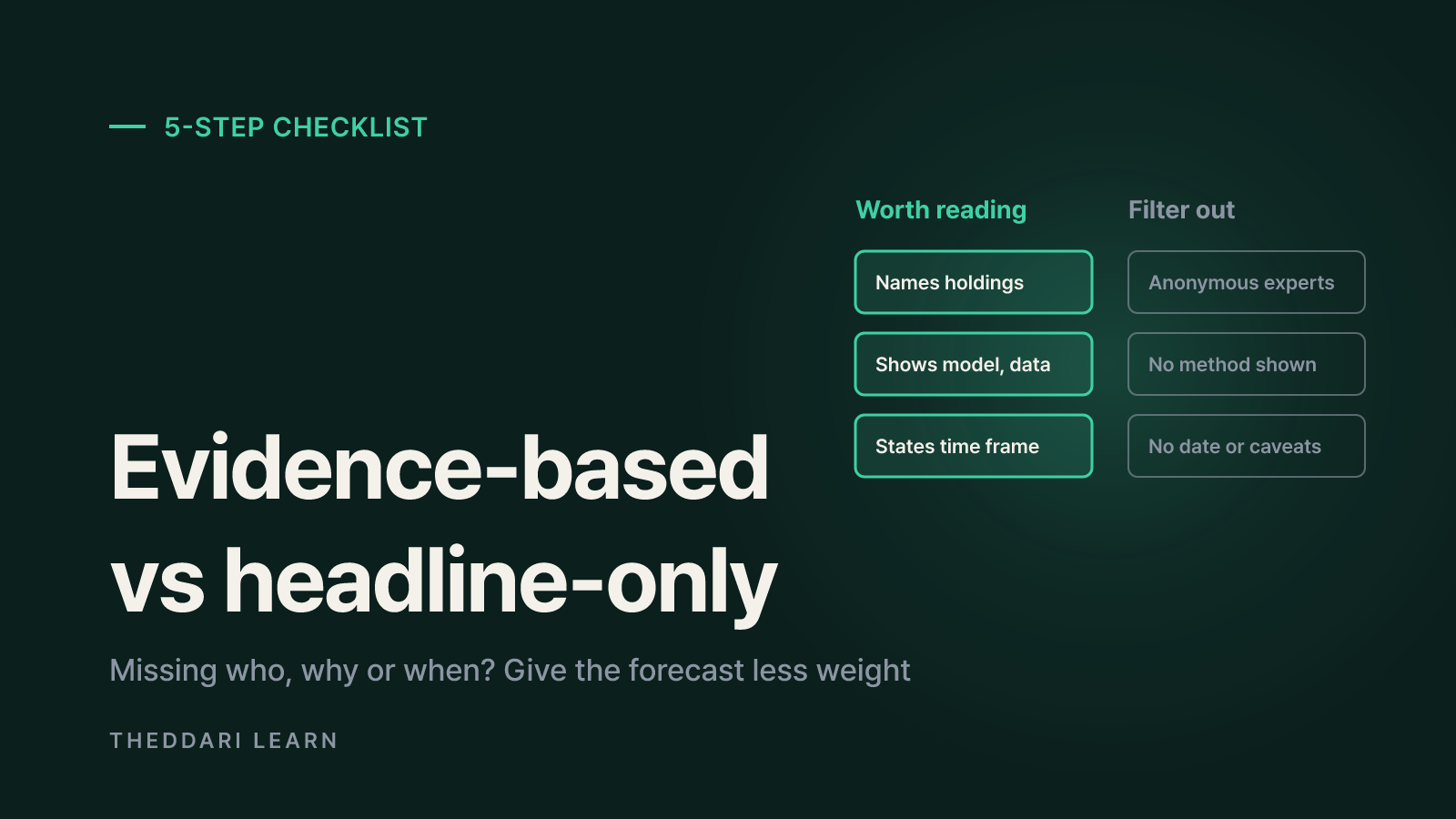
Run through these five checks before you let a target shape your view.
- 1
1. Identify the forecaster and their incentive
Is the forecast from an ETF sponsor, an exchange, a company holding bitcoin on its balance sheet, a paid newsletter or an independent researcher? Anyone whose fees, trading revenue or referral income grows with rising prices has a reason to lean bullish. Read the disclosures at the end of the original report.
- 2
2. Find the model behind the number
A target can come from a supply model built on halving cycles, a demand model built on projected ETF inflows, a comparison with gold's market value, or a chart pattern. Each rests on different assumptions. If the article only says that analysts see a certain level, there is nothing you can verify.
- 3
3. Check the time frame, conditions and downside case
Look for a stated horizon such as 12 months or by year-end, and for conditions such as rate cuts or continued fund inflows. Solid research shows base, bull and bear scenarios and explains what would invalidate the call. A forecast with only an upside path is half the picture.
- 4
4. Look up the track record
Search for the same firm's or person's targets from one or two years ago and compare them with the actual price. Missed calls are often quietly replaced with new ones. Repeated large misses with no explanation are a reason to discount the next target.
- 5
5. Trace every data point to its source
When an article cites ETF flows, exchange balances, whale wallet moves or regional price gaps, find the original source, the date and the scope. A screenshot with no source, or a chart cropped to a convenient window, should not carry the argument.
Forecaster
- Worth reading
- Names affiliation and holdings
- Filter out
- Anonymous experts, unclear role
Evidence
- Worth reading
- Shows model, assumptions, data
- Filter out
- Confident claims with no method
Time frame
- Worth reading
- States horizon and conditions
- Filter out
- A number with no date or caveats
Track record
- Worth reading
- Past calls can be compared
- Filter out
- Earlier misses never mentioned
Data
- Worth reading
- Links to source with date and scope
- Filter out
- Uncredited screenshots
Follow the money: conflicts of interest and paid promotion
A fund manager earns more as assets grow, an exchange earns more as volume rises, and a company holding bitcoin books gains when the price climbs. None of that makes their outlook wrong, but it means you should test the reasoning rather than accept the conclusion.
Undisclosed paid promotion has led to enforcement. On October 3, 2022, the SEC announced that a celebrity had promoted the EMAX token on Instagram without disclosing a $250,000 payment. She agreed to pay $1.26 million in penalties, disgorgement and interest. The SEC said investors are entitled to know whether publicity about a security is unbiased, and Section 17(b) of the Securities Act requires promoters of securities to disclose the payment and its amount.
That case involved a token the SEC treated as a security. In his January 2024 statement, the SEC chair described bitcoin as a non-security commodity, so the same disclosure rule may not apply to commentary about bitcoin itself. The practical lesson still holds: find out whether the person talking was paid.
Referral links are the everyday version of this conflict. If a video or post pairs a bullish call with an exchange sign-up link or fee discount code, the creator earns more as more viewers act on it. Treat that content as marketing first and analysis second.
Checking the data: ETF flows, on-chain metrics and price gaps
Spot ETF approval and fund flows
On January 10, 2024, the SEC approved the listing and trading of several spot bitcoin exchange-traded products and said staff were reviewing registration statements for 10 of them. The chair stated plainly that the agency did not approve or endorse bitcoin and called it primarily a speculative, volatile asset. Headlines implying regulatory approval of bitcoin misread that statement.
When you see flow numbers, ask which funds are included, whether the figure is net of outflows, whether it covers one day or a longer period, and what date it refers to. The SEC noted that sponsors must provide disclosure through registration statements and periodic filings, so issuer documents are the place to check a suspicious figure. A big inflow day does not tell you what the price will do next.
On-chain and whale-movement stories
Stories about large transfers to exchanges or long-term holders selling often depend on guesses about who controls which wallet. An exchange reorganizing its own wallets or a custodian moving funds can look like a sell-off. If the article does not name the data provider, the metric and how addresses were labeled, hold off on drawing conclusions.
Regional price gaps such as the Kimchi premium
Some outlook pieces treat a widening gap between Korean and overseas bitcoin prices as a sign of overheating. That gap depends on the exchange rate used, which Korean exchange is quoted and any deposit or withdrawal limits. You can compare domestic and overseas prices at the same moment on theddari's Kimchi premium page.

Forecasts often hinge on US rate decisions and inflation releases. The economic calendar shows when those events are scheduled; it is a scheduling tool, and how a release affects bitcoin is a separate judgment.
Red flags for readers in South Korea
South Korea's Virtual Asset User Protection Act took effect on July 19, 2024. According to the FSC, it targets trading on undisclosed material information, market manipulation, trading through false or fraudulent means, and service providers trading coins they issued themselves. The FSC specifically warned about chat-room leaders telling members to buy a coin up to a set price and about false or exaggerated information spread on social media, noting that people who cooperate can become involved in a crime.
- Promises of an imminent listing, access to private information or protected principal match the wording the FSC tells users to treat as possible fraud.
- In its June 24, 2026 notice, the FSC said 28 providers were registered with the Financial Intelligence Unit and that others serving Korean residents operate illegally.
- The same notice described YouTubers promoting unregistered overseas exchanges for referral income, and said referrers could face criminal liability.
- Platforms flagged in a joint review charged average fees of 1.5% to 10%, up to 62 times the 0.16% average of Korea's five won-based exchanges.
To see which narratives are spreading fast in Telegram crypto channels, the crypto Telegram trends page can help. Volume of mentions shows attention, not accuracy.
A short routine after reading any forecast
Before acting on a bitcoin price prediction article, write one line with five slots: who (and their incentive), based on what, by when, under which conditions, and what happens if it is wrong. The more slots you cannot fill, the less weight the article deserves.
- Summarize the forecast in the five slots
- Verify at least one cited number at its original source
- Read one credible piece arguing the opposite view
- Classify anything with sign-up links, chat-room invites or discount codes as promotion
- Keep any decision within a range you can afford to get wrong
Nobody reliably calls the bitcoin price, but anyone can learn to separate evidence-based outlooks from promotion. Reading the assumptions instead of the target is the most practical defense you have.
よくある質問
Are bitcoin price predictions from analysts reliable?
Are forecasts from ETF issuers or crypto exchanges biased?
Do big ETF inflows mean the bitcoin price will go up?
Is it illegal for influencers to promote crypto without saying they were paid?
What should Korean residents watch for in bitcoin outlook content?
出典・参考資料
- 1SEC Investor.gov: Exercise Caution with Crypto Asset Securities (Mar. 23, 2023)(新しいタブで開きます)www.investor.gov
- 2SEC Press Release 2022-183: SEC Charges Kim Kardashian for Unlawfully Touting Crypto Security(新しいタブで開きます)www.sec.gov
- 3SEC Chair Statement on the Approval of Spot Bitcoin Exchange-Traded Products (Jan. 10, 2024)(新しいタブで開きます)www.sec.gov
- 4Korea Financial Services Commission press release on unregistered virtual asset businesses (June 24, 2026, Korean)(新しいタブで開きます)www.fsc.go.kr
- 5Korea Financial Services Commission press release on virtual asset unfair trading investigations (July 8, 2024, Korean)(新しいタブで開きます)www.fsc.go.kr
関連記事
 暗号資産
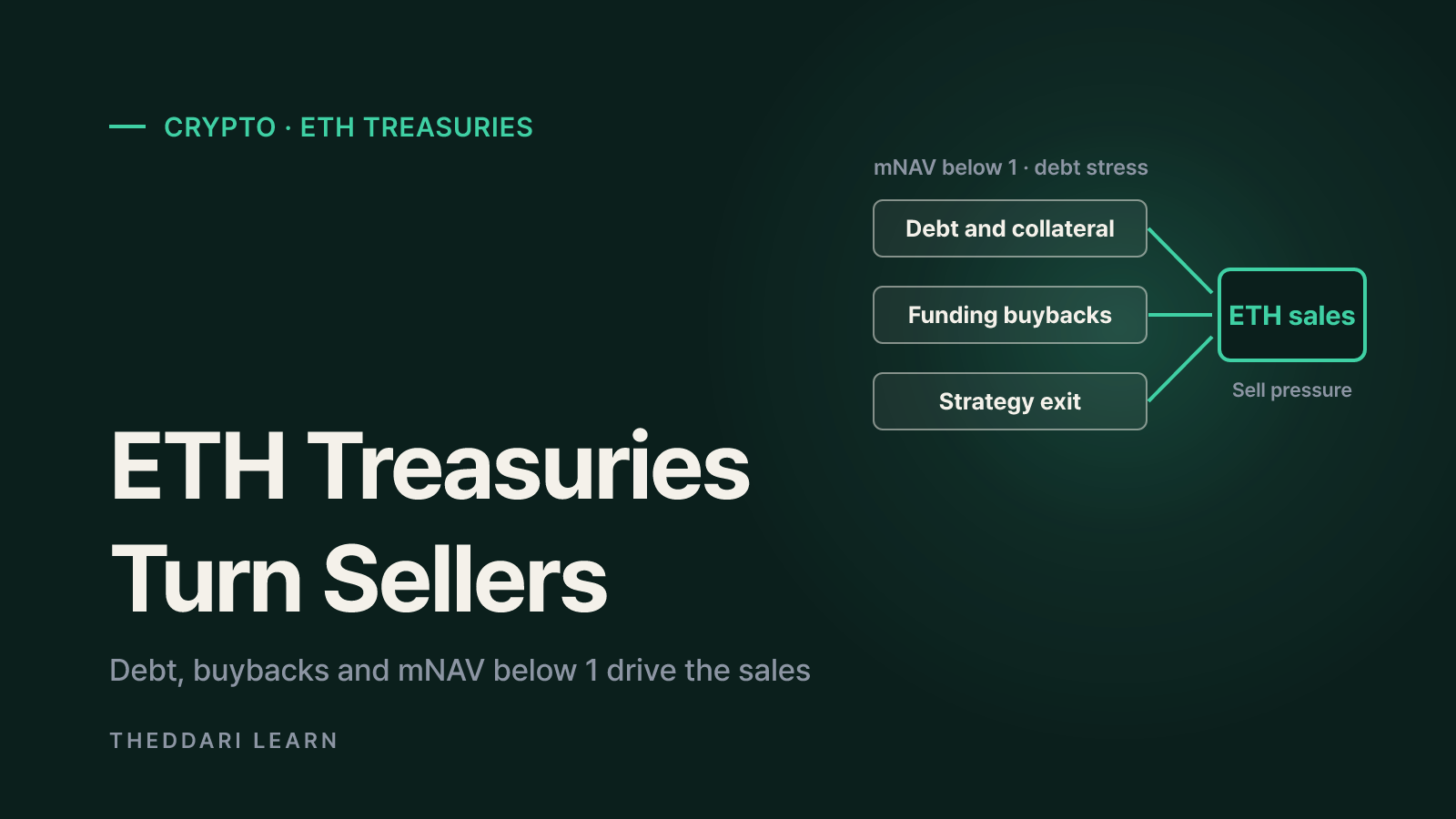
Ethereum Treasury Companies Selling ETH: Why mNAV Matters
Some Ethereum treasury companies are now selling ETH below cost. Using BTCS's November 2026 filings, BitMine's data and DefiLlama figures, this guide explains why firms sell, how Aave liquidation lines work and how to check a sale claim.
 暗号資産
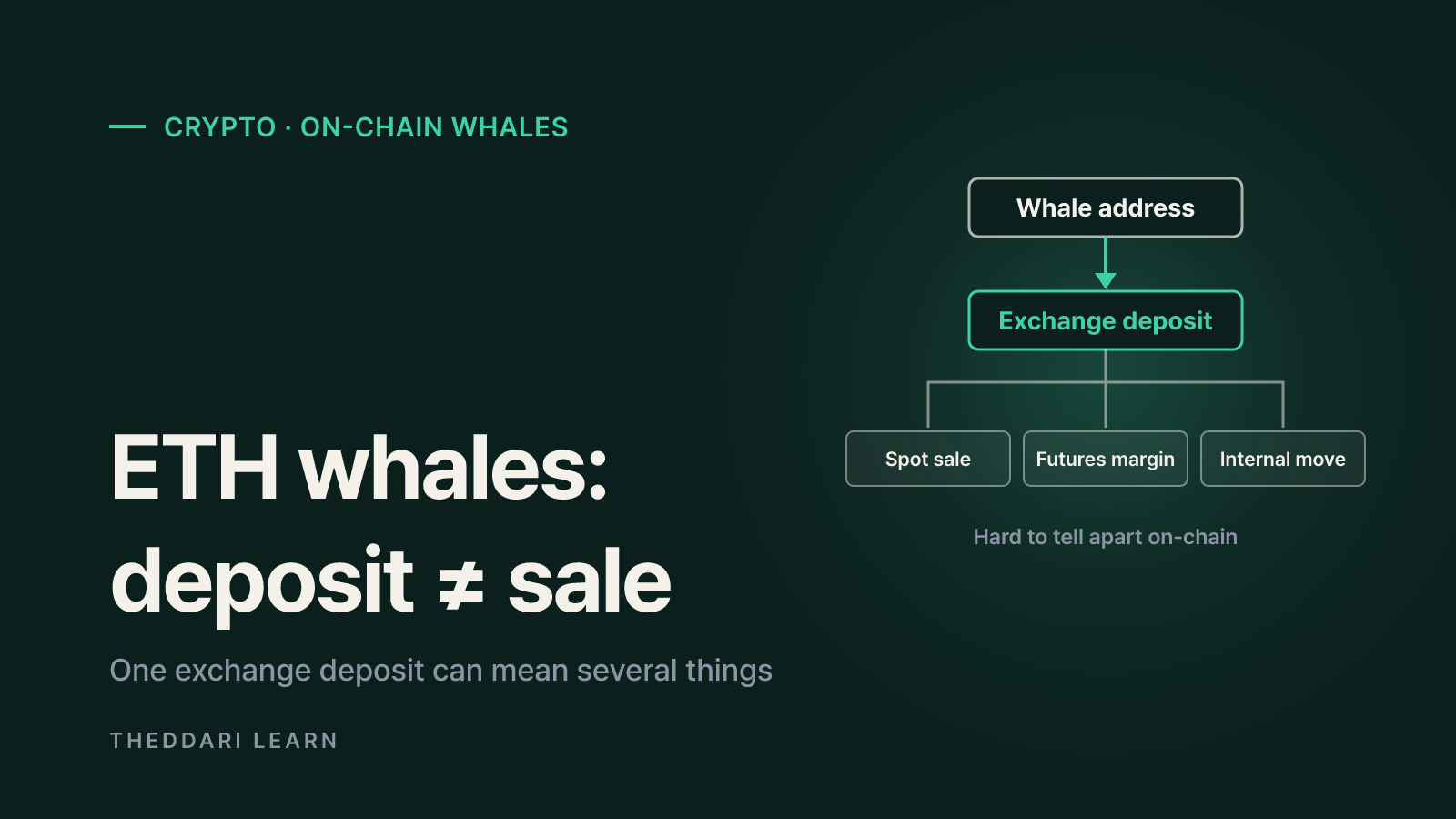
ETH Whales Selling at a Loss? Reading On-Chain Whale Data
Headlines about Ethereum whales dumping at a loss are often read as a bottom signal or a warning. Here is how to check the wallet cohorts, exchange inflows and labels behind them, using November 2026 data.
 暗号資産
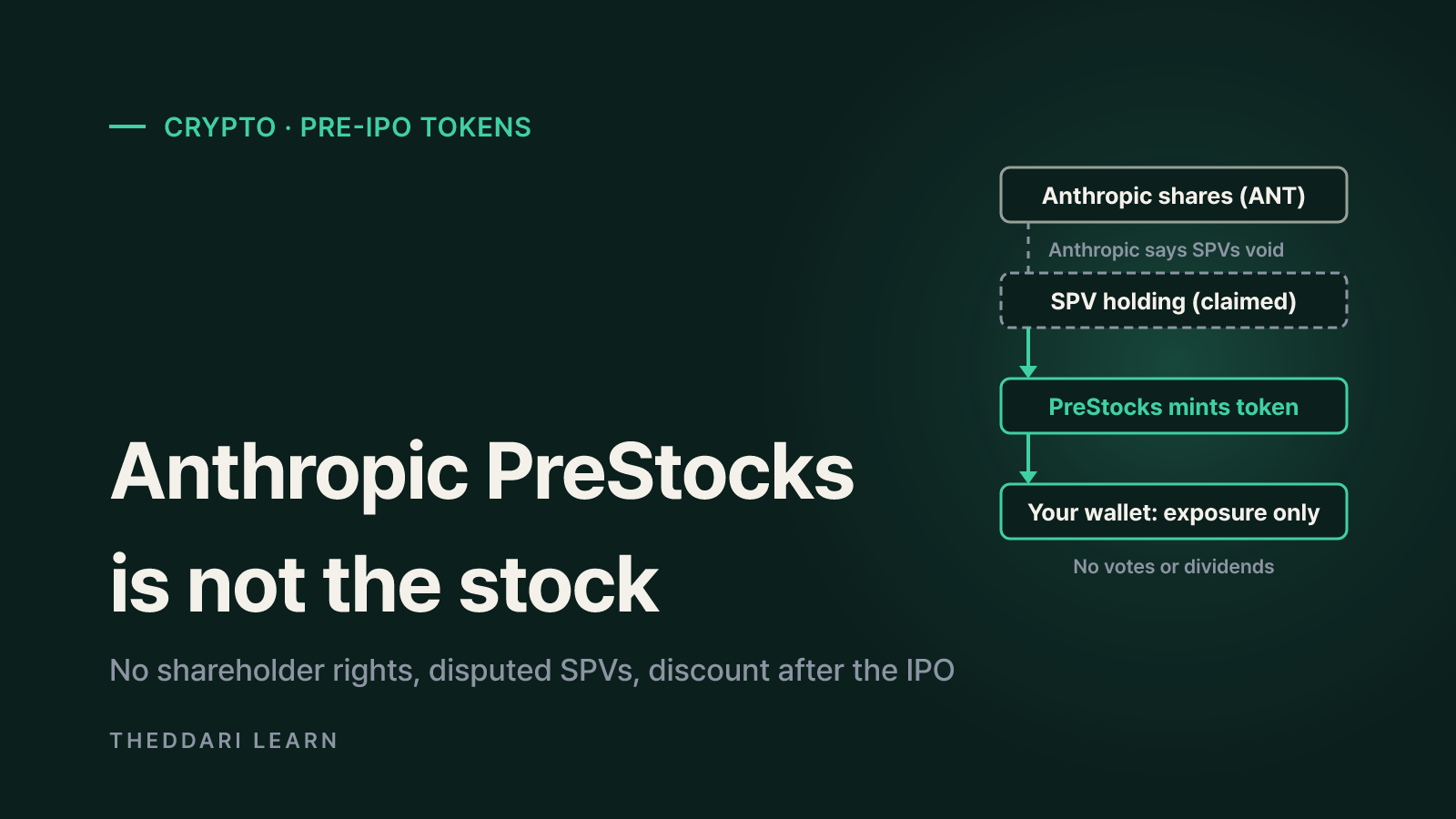
Anthropic PreStocks Token: How It Works, Risks After IPO
The ANTHROPIC token from PreStocks offers economic exposure only, with no shareholder rights. Here is how it is structured, why Anthropic disputes SPV transfers, and what the Nasdaq listing changes for holders.