How to buy bitcoin in Korea as a foreigner: exchange rules and alternatives
Can you buy bitcoin in Korea as a foreigner? As of October 2026: Upbit ID rules, the K Bank account step, non-resident limits and offshore exchange risks.
目次7セクション
要点
- Korean won exchanges require both identity verification (KYC) and a real-name bank account linked to the exchange before you can trade with won.
- Upbit accepts KYC from foreign residents with an Alien Registration Card or similar ID, but rejects passports, tax non-residents and anyone with under 30 days left on their stay.
- Passing KYC alone unlocks only Upbit's BTC and USDT markets; the KRW market also needs a verified K Bank account.
- K Bank dropped its nationality restriction in September 2026, but foreigner account opening was reported as coming later in 2026, so confirm it first.
- Tourists and people living abroad are effectively shut out of Korean exchanges, and offshore platforms that market to Koreans without registering are being blocked by regulators.
Yes, you can buy bitcoin in Korea as a foreigner, but only if you live there and clear three gates. As of October 2026, a foreign resident must pass an exchange's identity check, qualify as a Korean tax resident, and link a real-name bank account at the exchange's partner bank before trading with Korean won. Long-term residents holding an Alien Registration Card (ARC) can pass Upbit's identity check, yet buying with won still depends on a K Bank account. Tourists on a passport and people living outside Korea are, for practical purposes, locked out of Korean exchanges. This guide covers Korean rules only, based on official exchange help pages and regulator statements read in October 2026. Policies change without notice, so check the latest announcements before you apply.
Can you buy bitcoin in Korea as a foreigner? The real-name account rule
Korea does not let crypto exchanges take won from anyone who signs up. Under the Act on Reporting and Using Specified Financial Transaction Information, often shortened to the Specific Financial Information Act, exchanges must register with the Korea Financial Intelligence Unit (KoFIU). The law requires them to verify each customer's identity and purpose of trading, known as KYC, and to route won deposits and withdrawals only through a real-name verified account at a partner bank. Upbit's customer verification policy cites Article 5-2 for KYC and Article 7(3)(2) for blocking its KRW market until a real-name account is verified.
For a foreigner, this means the exchange is only part of the story. The partner bank's account-opening policy matters just as much. If the bank will not open an account in your name, you cannot fund a won trading account, even if the exchange approves your ID. Coinone states the same principle in its foreigner FAQ: KYC through a real-name deposit and withdrawal account is mandatory under the Act.
Who can use a Korean crypto exchange in 2026
The table summarizes the general picture from Upbit and Coinone help pages and the Financial Services Commission (FSC), checked on October 13, 2026. Individual results can differ with visa type, nationality and an exchange's internal review.
Long-term foreign resident with ARC, permanent residence card or overseas Korean residence card, and Korean tax residency
- Exchange KYC
- Possible at Upbit if document rules are met
- Buying bitcoin with won
- Possible once a K Bank real-name account is verified
- Check first
- 30+ days of stay left; whether K Bank opens accounts for foreigners
Tourist or short-term visitor with a passport only
- Exchange KYC
- Effectively not possible (passports rejected)
- Buying bitcoin with won
- Not possible in practice
- Check first
- Regulated options and laws in your home country
Foreigner living outside Korea (non-resident)
- Exchange KYC
- Not accepted by Upbit
- Buying bitcoin with won
- Not possible
- Check first
- Whether your local platform is licensed where you live
Korean citizen living abroad
- Exchange KYC
- Not accepted by Upbit if home or work address is overseas
- Buying bitcoin with won
- Not possible
- Check first
- Your residence status under Korean rules
Upbit's document checklist for foreign residents
Upbit is the exchange with the clearest published rules for foreigners. Its FAQ, Can foreigners complete customer verification?, asks foreign residents for two items. The first is a foreign ID: an Alien Registration Card, a domestic residence report card for overseas Koreans, or a permanent residence card. The second is proof of stay: a certificate of alien registration or a certificate of domestic residence report. That certificate must be issued within 90 days of submission and must not list household members. Verification completes only if at least 30 days remain before your stay expires. Review takes about five business days, and ID photos can only be taken in the mobile app.
The policy page adds a residency test. Foreigners must show they are residents under Korea's Income Tax Act by submitting a certificate of residence or an immigration record proving at least 183 days of stay in Korea. Tax non-residents, foreigners with under 30 days of stay left and anyone without a confirmed Korean address cannot complete verification. Nationals or residents of FATF high-risk jurisdictions and UN or OFAC sanctioned countries are excluded, and access from such IP addresses can be restricted. Upbit's login guide also says the service cannot be used without a phone and a bank account in your own name.
Why K Bank decides whether you can use won
Clearing KYC does not open the won market. Upbit's policy says that without a verified K Bank real-name account, a verified user can only trade on the BTC and USDT markets. Those markets swap one crypto asset for another, so they are not a starting point if you hold only won.
The bank side is shifting. According to a Newspim report from September 28, 2026, K Bank changed its basic deposit terms on September 18, 2026, replacing eligibility for Korean national residents with eligibility for resident individuals, and plans to launch non-face-to-face account opening for foreigners within the year. The terms now allow it, but whether a foreigner can actually open an account in the app today should be confirmed with K Bank's own launch notice. Whether Upbit's real-name linking then works for that account is a separate question to ask the exchange.
What other Korean exchanges say
Each exchange works with a different bank, so policies differ. Coinone's FAQ, last edited on December 2, 2025, says that under domestic financial institution policy, foreigners, including existing members, cannot open or register a real-name account. As a result, won deposits and withdrawals and buying or selling coins are effectively unavailable, and existing foreign members must complete KYC and then wind down their holdings. Check each exchange's help center for its current foreigner page and the date it was last edited rather than relying on older forum posts.
Step-by-step checklist for foreign residents
- 1
Confirm your residency
Make sure you hold an ARC or equivalent ID, have at least 30 days left on your stay and can obtain proof of 183 or more days in Korea. Short-term visa holders will usually stop here.
- 2
Set up a Korean phone and bank account in your name
Upbit sign-up uses identity verification through a Korean phone and a bank account in your own name. For won trading, check whether the partner bank currently opens accounts for foreigners.
- 3
Request documents and complete KYC in the app
Get a proof-of-stay certificate issued within the last 90 days. Enter your English name exactly as it appears on your ID and allow about five business days for review.
- 4
Verify the bank link, then read the trading terms
Confirm that the KRW market is enabled, then read fees, deposit and withdrawal limits and transfer rules on the official pages. Compare Korean and international prices before placing an order.
Bitcoin on Korean won exchanges does not always trade at the same price as on global platforms. The gap is widely called the kimchi premium. If you are used to prices in dollars or euros, knowing this gap explains why your purchase price in Korea may look different. The theddari kimchi premium and cross-exchange price pages show current differences. They are price comparison references, not forecasts or a suggestion to trade the spread, and foreign exchange rules can apply when foreigners move money in or out of Korea.

Offshore exchanges and peer-to-peer deals: the risks
Foreigners who cannot use a Korean exchange often consider an offshore app or a peer-to-peer (P2P) cash deal. The key question in Korea is registration. The FSC's October 13, 2026 release says 28 virtual asset service providers are registered with KoFIU, and any other business dealing crypto in Korea is illegal. Foreign platforms fall under the same law if they target Korean users, judged by factors such as a Korean-language site, marketing to Koreans or won payment support. Unregistered business carries up to five years in prison or a fine of up to 50 million won.
The same release says the Korea Communications Standards Commission decided on October 6 and 7 to block or terminate 27 unregistered operator websites in Korea. Their apps were already blocked from new installs and updates on Google and Apple app stores. Registered exchanges are directed to restrict crypto transfers to unregistered operators, and buying crypto from them by credit card is blocked. A June 2026 joint inspection found average trading fees of 1.5% to 10% at flagged platforms, versus 0.16% on average at Korea's five won exchanges. After a block, withdrawing your assets can become difficult.
- No Korean safeguards: unregistered platforms are outside Korean user-protection rules, so hacks or withdrawal refusals are hard to remedy.
- P2P scams: paying a stranger in cash or by bank transfer risks non-delivery and entanglement with criminal funds.
- Referral links: regulators warn that recruiting users via referral links may be treated as aiding illegal business.
- Protect your data: do not hand ID copies, private keys or login details to unregistered operators.
If you are only visiting, the practical route is usually to check regulated options in your home country and the tax and reporting rules that apply there, rather than to look for a workaround in Korea. Rules vary by country, so this guide does not recommend any offshore platform. For a running view of crypto discussion in Korea, the theddari crypto Telegram trends page collects community posts, but community chatter does not replace official notices.
Leaving Korea, visa expiry and taxes
A foreigner's account can be restricted when residency changes. Upbit says that if periodic re-verification is not completed five hours before the deadline, trading is restricted and open orders are cancelled; one hour before, deposits and withdrawals stop; after the deadline, service is restricted. If you plan to leave Korea or your visa is ending, ask the exchange in advance how to sell or withdraw your holdings. Tax treatment depends on your residency, nationality and home-country law, and Korea's crypto taxation schedule is still under discussion, so confirm with the National Tax Service and a qualified tax adviser.
よくある質問
Can a tourist buy bitcoin in Korea with a passport?
I have an Alien Registration Card. Can I trade bitcoin with won right away?
Is it legal to use Binance or another offshore exchange from Korea?
What should I do with my Korean exchange account before leaving Korea?
出典・参考資料
- 1Upbit Help Center: Can foreigners complete customer verification? (Korean)(新しいタブで開きます)support.upbit.com
- 2Upbit Help Center: Upbit customer verification policy (Korean)(新しいタブで開きます)support.upbit.com
- 3Upbit Help Center: Upbit login guide (Korean)(新しいタブで開きます)support.upbit.com
- 4Coinone Support: Can foreigners use the service? (Korean)(新しいタブで開きます)support.coinone.co.kr
- 5Financial Services Commission: Websites of illegal virtual asset operators blocked in Korea (Oct 13, 2026, Korean)(新しいタブで開きます)www.fsc.go.kr
- 6Newspim: KakaoBank and K Bank expand non-face-to-face services for foreigners (Sep 28, 2026, Korean)(新しいタブで開きます)www.newspim.com
関連記事
 暗号資産
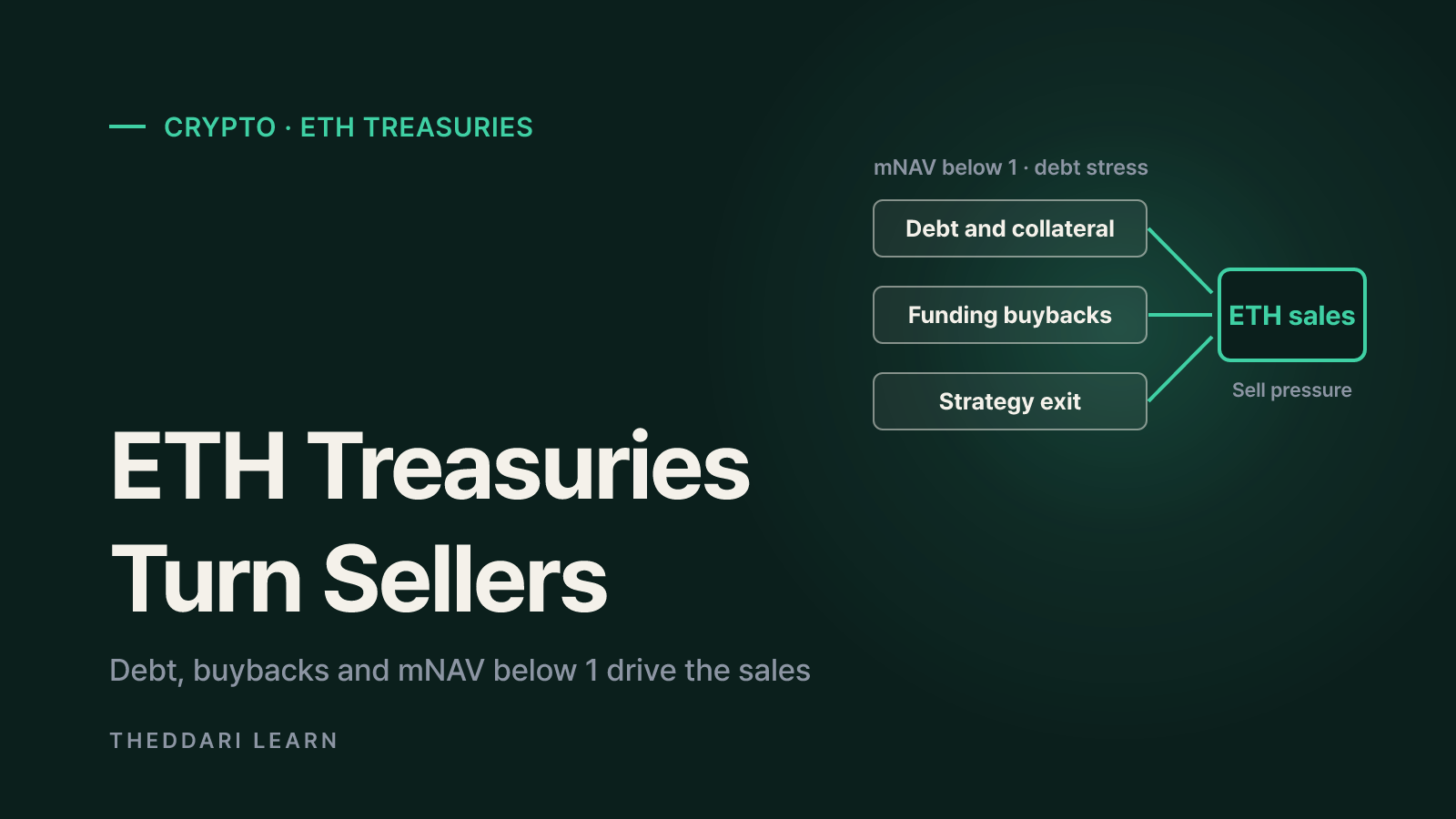
Ethereum Treasury Companies Selling ETH: Why mNAV Matters
Some Ethereum treasury companies are now selling ETH below cost. Using BTCS's November 2026 filings, BitMine's data and DefiLlama figures, this guide explains why firms sell, how Aave liquidation lines work and how to check a sale claim.
 暗号資産
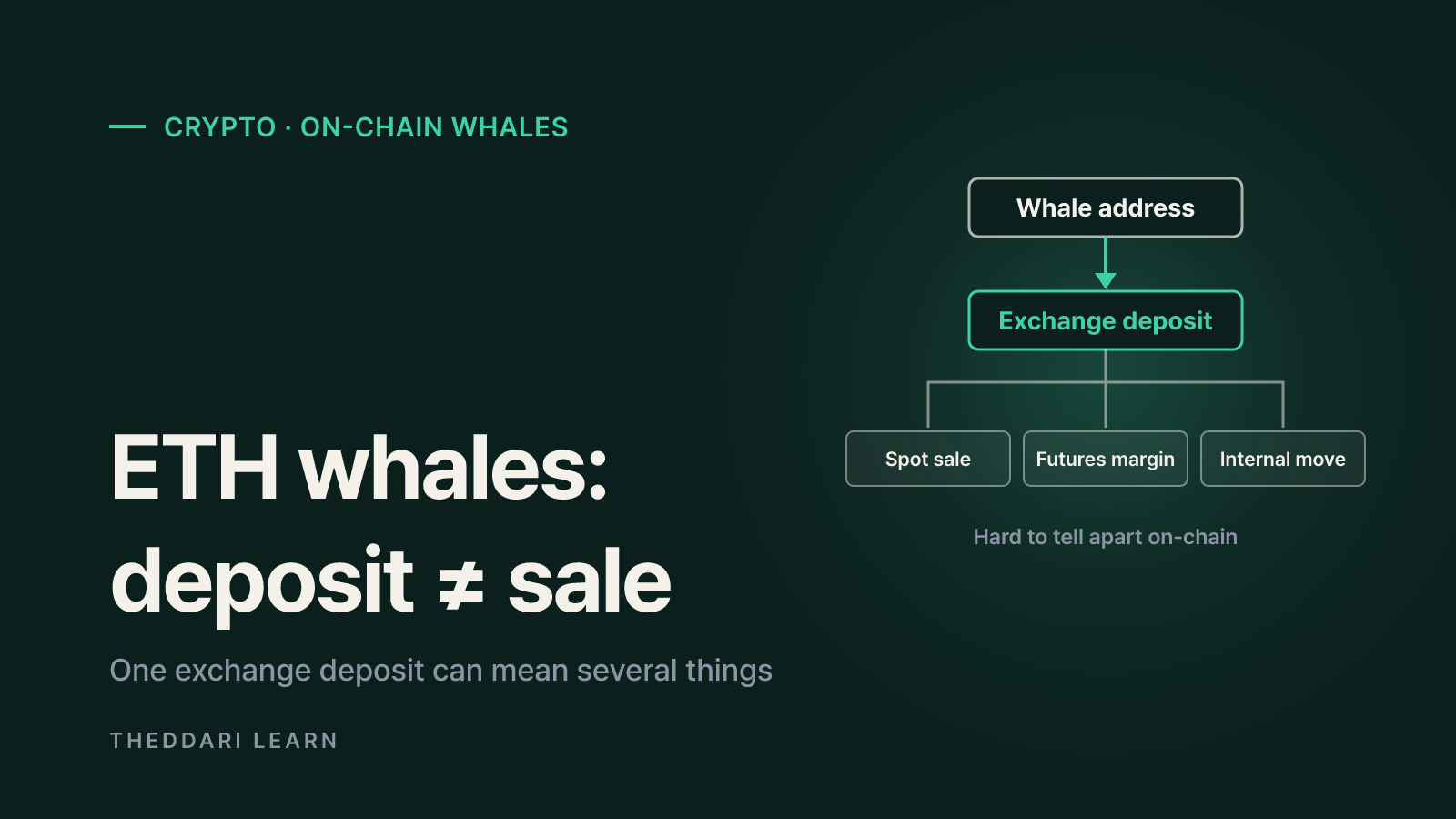
ETH Whales Selling at a Loss? Reading On-Chain Whale Data
Headlines about Ethereum whales dumping at a loss are often read as a bottom signal or a warning. Here is how to check the wallet cohorts, exchange inflows and labels behind them, using November 2026 data.
 暗号資産
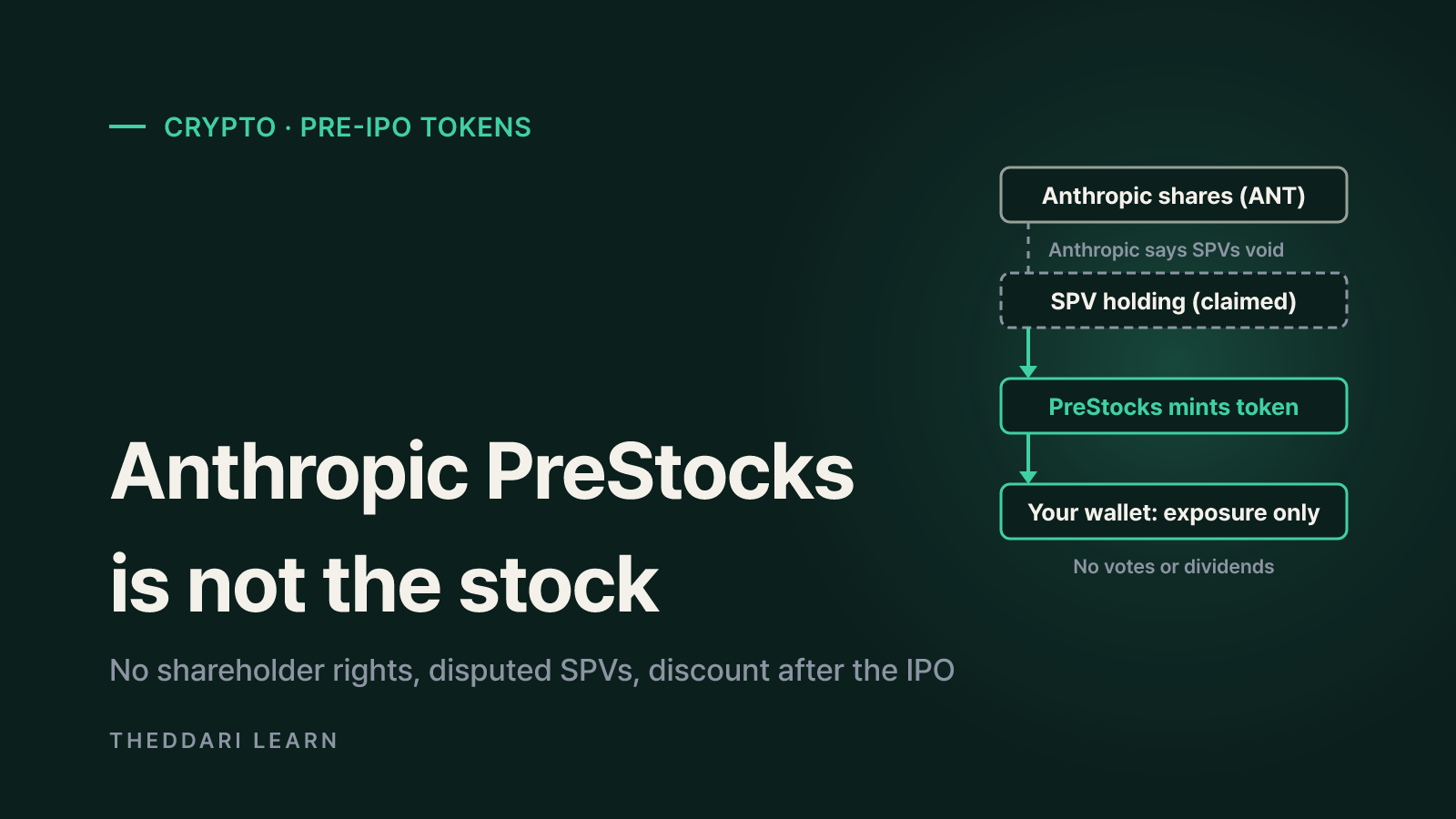
Anthropic PreStocks Token: How It Works, Risks After IPO
The ANTHROPIC token from PreStocks offers economic exposure only, with no shareholder rights. Here is how it is structured, why Anthropic disputes SPV transfers, and what the Nasdaq listing changes for holders.